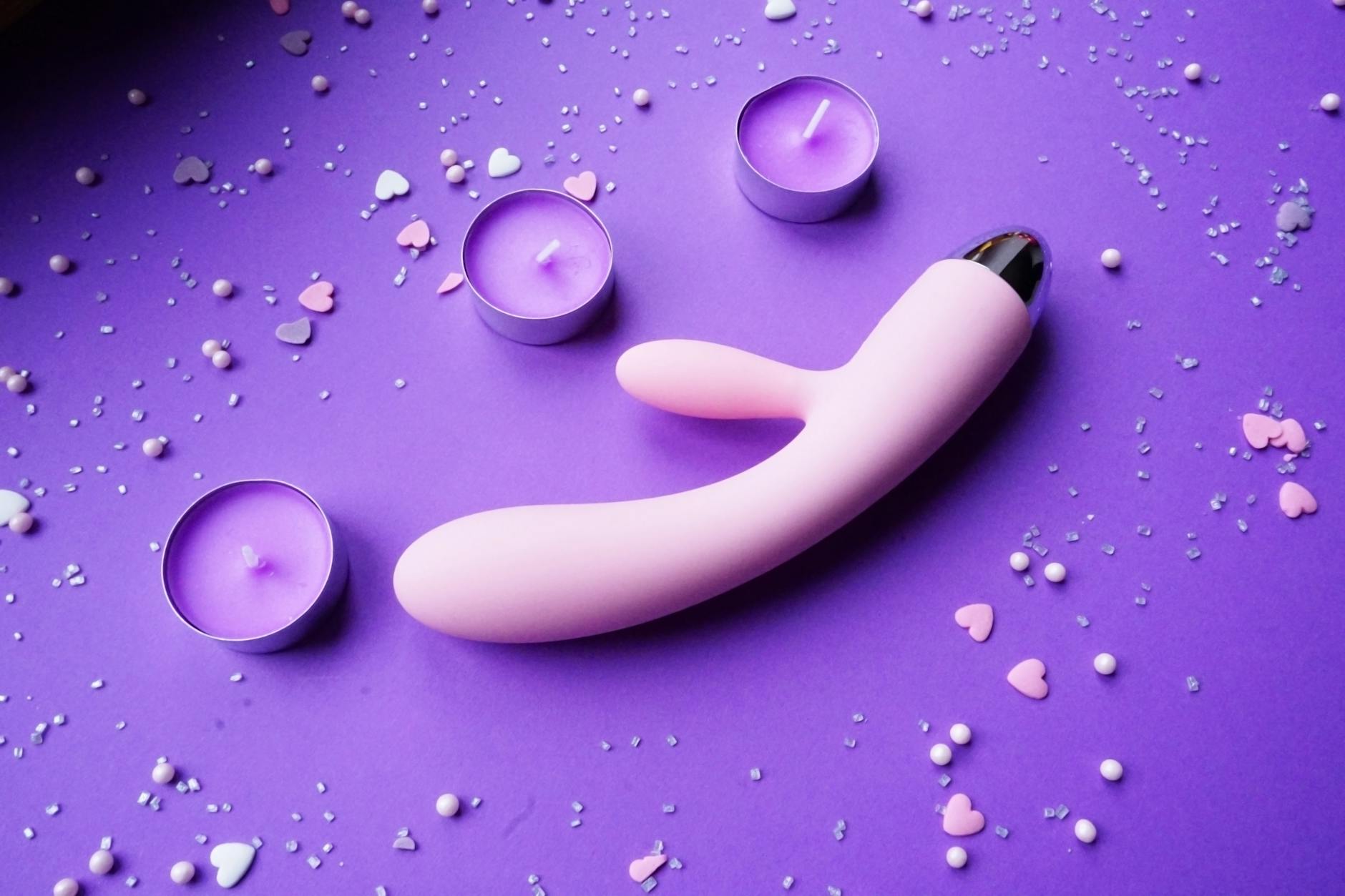
How Lemon Vibrators Restore Sensation After Spinal Cord Injury
Let's be real: spinal cord injury doesn't end sexuality. It rewires it. That's not a consolation prize. It's actually the more accurate, more useful truth that most people don't hear until months or years after injury, when they're already convinced the story is over.
Here's what I see in my practice working with couples navigating life after spinal cord trauma. The person with the injury often assumes their body is broken. The partner sometimes holds the same belief. Both miss what's actually happening neurologically, and both miss the tools and techniques that can restore profound sensation and pleasure.
What actually happens to sensation after spinal cord injury
Your spinal cord is the information highway between your brain and your body. When it's damaged at a specific level, signals below that injury site struggle to get through clearly. But here's the part that changes everything: the nerves below the injury don't disappear. They still exist. They're still capable of responding to stimulation.
Many people with incomplete spinal cord injuries retain sensation in the genital area, even when lower body function is significantly affected. Some experience phantom sensations. Others report that pleasure signals travel through different neural pathways, arriving delayed or altered but absolutely still arriving.
The clitoris is wired directly into the pelvic plexus. Depending on where your injury sits, clitoral sensation often remains intact or partially intact. This matters because it's different from lower-body paralysis. A lemon vibrator or other clitoral suction toy isn't competing with a numb zone. It's amplifying whatever signal is still getting through.
Why air-suction stimulation works better than traditional vibration
Traditional vibrators rely on friction and direct mechanical pressure. They work fine for people with intact sensation. But for someone with spinal cord injury who may have altered or reduced feeling, that pressure can feel dull, miss the target, or take forever to build arousal.
Air-suction technology, like the lemon clitoral vibrator design, works differently. Instead of vibrating side-to-side, it creates gentle pulses of suction against the clitoral tissue. This stimulates the nerve endings without requiring heavy mechanical pressure. The sensation is often more accessible, more intense, and more distinct for people whose sensory bandwidth is compromised.
Why does that matter clinically? Because you're not trying to force sensation through a damaged pathway. You're working with whatever pathways remain open and making those signals louder. Suction does that more efficiently than vibration for most people with nerve injury.
Rebuilding arousal when the brain-body signal is slower
One of the hardest adjustments after spinal cord injury is the loss of automatic arousal. Many people expect that their body will respond the same way it used to. It often doesn't. Arousal might take longer. It might feel less spontaneous. The feedback loop between mental arousal and physical response breaks or stretches.
This is where the lemon vibrator becomes less of a toy and more of a bridge. You're not trying to recreate the old pathway. You're creating a new one. A lemon clitoral vibrator provides consistent, controlled stimulation while your brain learns to recognize and respond to this new signal pattern.
Start slowly. Pattern 1 or 2, for 10-15 minutes, with no goal except sensation. Your nervous system is learning. You're teaching it that this type of stimulation is safe and feels good. Orgasm might come easily. It might not come at all that first time. Both outcomes are normal.
Pain, spasticity, and when to pause
Some people with spinal cord injury experience increased spasticity during or after sexual activity. Involuntary muscle contractions can make sensation confusing or uncomfortable. Others feel sharp pain in areas they can't move. These aren't signs that sexuality is off the table. They're signs that you need a different setup.
Work with a physical therapist before and during sexual activity. Stretching beforehand can reduce spasticity. Certain positions minimize involuntary muscle engagement. And yes, the lemon vibrator setup matters too. Lying on your back with a pillow under the knees often reduces spasticity better than other positions.
If pain appears consistently, stop and get it evaluated. Spinal cord injury changes pain signaling. What feels like one thing might be something else. Your doctor needs to rule out autonomic dysreflexia or other injury-related complications before you restart.
The emotional work is as important as the physical work
I've worked with people who regained excellent sensation after spinal cord injury but still couldn't access pleasure because grief and anger were blocking the pathway. That's not a device problem. That's a system problem.
Make space for the loss. Your sexuality changed. That's true. It's worth grieving. And parallel to that grief, curiosity about what's possible now is also allowed. A lemon clitoral vibrator isn't a replacement for your pre-injury body. It's a tool for the body you have now.
If you're partnered, this becomes even more critical. Your partner is also grieving the change. They may feel guilt, fear they'll hurt you, or worry they're failing you somehow. Getting professional support for the emotional side, alongside the physical exploration, makes everything easier. My role as a relationship coach is often to help couples hold both stories at once: this is a real loss, and there is still a lot of pleasure available.
Accessibility considerations that actually matter
Some people with spinal cord injury have limited hand function or upper-body mobility. The lemon vibrator's wireless remote is useful, but not if you can't operate it. Check the buttons. Consider whether your partner can manage the controls. Some of Hello Nancy's other clitoral vibrators have simpler one-button interfaces that might work better if fine motor control is affected.
Positioning matters too. If you can't lift your hips or adjust your position, you need a partner who can hold the device steady, or a pillow arrangement that keeps it in place. This is not shameful. It's problem-solving.
Consider also whether sensation mapping helps. Some people with spinal cord injury lose feeling in specific zones but retain it in others. Experimenting to find your responsive areas, then targeting those areas with air-suction stimulation, often yields better results than guessing.
Rebuilding partnership sexuality after injury
If you had a partner before the injury, everything just changed for both of you. That's hard. But it's not insurmountable. Many couples report that the intentionality required to rebuild sexuality actually deepens connection, because spontaneity is off the table anyway. You have to talk about what you want. You have to pay attention.
A lemon clitoral vibrator becomes part of that conversation. Your partner might use it on you. You might use it on yourself while your partner touches you elsewhere. The possibilities are wider than they seem at first.
For single people or people starting new relationships after spinal cord injury, the work is similar but the vulnerability is different. You're learning your body in a new way while also figuring out how to be intimate with someone who didn't know you before the injury. That's a lot. Take your time. Let partners know what you need. A good partner will ask and listen.
Accessing pleasure is part of recovery
Here's what I want you to know: healthcare providers sometimes avoid talking about sexuality after spinal cord injury because they're uncomfortable or they think you're too focused on other recovery goals. That silence feels like permission to grieve sexuality forever. It's not.
Sensation, arousal, and orgasm are part of healing. Not the only part, but a real and important part. Lemon vibrators and clitoral suction technology make that healing faster and less frustrating. You're not being selfish or vain by wanting pleasure. You're being human.
If your current provider won't discuss sexuality after spinal cord injury, find one who will. Get a physical therapist who understands sexual rehabilitation. Work with a couples therapist if you're partnered. These conversations matter more than you might think.
People also ask
Can you have an orgasm after spinal cord injury?
Yes. Orgasm after spinal cord injury looks different for most people. It might take longer to build. It might feel different in intensity or sensation. But the capacity for orgasm remains for many people, especially with incomplete injuries or injuries below the thoracic level. A lemon clitoral vibrator often helps access orgasm faster because it amplifies sensation efficiently. Some people report their first post-injury orgasm comes from air-suction stimulation when other methods have failed. That's not unusual.
Will spinal cord injury affect my ability to feel during sex with a partner?
Sensation often changes but doesn't disappear entirely. Many people retain partial sensation in the genitals even with significant lower-body paralysis. The feedback loop with a partner also triggers mental arousal, which can compensate for reduced physical sensation. Using a lemon vibrator during partner sex gives you both something concrete to focus on and often amplifies sensation that's already there, just muted.
Is it safe to use a vibrator after spinal cord injury?
Yes, with a few considerations. Avoid areas where you have no sensation, because you won't know if you're causing harm. Watch for signs of autonomic dysreflexia if your injury is above T6. If you're prone to spasticity, manage it beforehand with stretching or medication. A doctor or sexual rehabilitation specialist can clear you for vibrator use and point out any injury-specific precautions you need to know about.
How long does it take to rebuild sensation and pleasure after spinal cord injury?
It varies widely. Some people notice changes within weeks. Others need months of consistent exploration. The nervous system is plastic and capable of learning new pathways, but it takes time and repetition. Be patient with yourself. Pleasure is not a race.
Should I use a lemon vibrator alone or with a partner after spinal cord injury?
Both have value. Solo exploration lets you learn what sensations work for your new body without performance pressure. Partner exploration brings intimacy and shared attention back into the picture. Many people do both, at different times, for different reasons. Start wherever feels safest and most comfortable.
What if I have numbness but my partner wants to be sexual?
This is common and workable. Communicate clearly about your sensation changes. Let your partner know what you can and can't feel. A lemon clitoral vibrator can bridge the gap by amplifying sensation you do have. You might also explore non-genital intimacy, which often feels more sensory-rich after spinal cord injury. Pleasure is broader than penetration or orgasm.
Moving forward
Spinal cord injury changes everything. And it doesn't change everything. Your body is capable of pleasure. The pathways might be different. The timeline might be longer. The intensity might feel unfamiliar. But the capacity is still there. A lemon vibrator or other clitoral suction toy is a tool for finding and amplifying that capacity. You deserve that exploration. Your pleasure matters.