
Let's start with what's actually happening here
Desire mismatch feels like a personal failure. It isn't. One partner wants sex three times a week. The other wants it once a month, or not at all right now. The lower-desire partner feels guilty or pressured. The higher-desire partner feels rejected or resentful. Both feel like something is broken. But here's the reality: desire mismatches are one of the most common relationship dynamics, and they almost never mean you picked the wrong person.
What they do mean is that you need a different strategy than the one you've been using. And a lemon vibrator can be a powerful part of that shift.
Why desire mismatch happens (and why it's not about attraction)
I work with couples on this constantly. The conversation usually goes like this: "I still love them, but I don't want sex as much as they do. I feel awful about it." The guilt becomes its own barrier. Pressure follows. Resentment takes root.
Here's what I know clinically: lower desire in a long-term partnership is usually not about attraction to your partner. It's about one or more of these things happening at the same time. Stress. Burnout. Hormonal changes. Medication side effects. Feeling unheard or unvalued outside the bedroom. Repetition without novelty. Disconnection that built slowly over months or years.
None of these are character flaws. All of them are fixable.
The mistake most couples make is focusing entirely on "why doesn't the lower-desire partner want more sex?" The better question is: "What would help the lower-desire partner reconnect with their own pleasure, on their own terms, outside of performance pressure?"
How to separate your pleasure from partnership pressure
This is the key move. And it's counterintuitive.
When desire mismatch is happening, sex often becomes a negotiation or an obligation. The lower-desire partner has sex when they don't really want to, just to keep the peace. This makes sex feel like a chore. It becomes harder to access genuine pleasure. The cycle gets worse.
Breaking that cycle means doing something radical: giving yourself permission to explore your own pleasure solo, completely separately from your partnership. Not as a way to avoid your partner. As a way to reconnect with yourself.
This is where a lemon vibrator enters the picture. A lemon clitoral vibrator like the Lem works by using gentle suction and pulsing patterns instead of traditional vibration. It doesn't require the same mental or physical effort that partnered sex sometimes does. You're not performing. You're not managing anyone else's pleasure. You're just present with your own body and what feels good.
The physical reset: how to use a lemon vibrator solo when desire feels depleted
Start small. This isn't about achieving orgasm. It's about rebuilding the neural connection between your brain and your body's capacity for pleasure.
Set aside 15 minutes when you're not tired or distracted. This matters. Low desire often lives alongside mental exhaustion. If you're running on empty, your body won't cooperate.
When you're ready, start with the lowest setting on your lemon vibrator. The Lem has a gentle pattern option that mimics arousal gradually instead of hitting you with intensity immediately. Begin with exploration. Notice what patterns feel good. Notice where your attention wants to go. There's no goal here except curiosity.
Most people who've been stuck in obligation-sex for a while find that their pleasure response is slower to awaken. That's normal. It's not broken. It just needs gentle, consistent attention. Use your lemon vibrator three to five times a week for a few weeks. You're not training yourself. You're simply reminding your body what pleasure without pressure feels like.
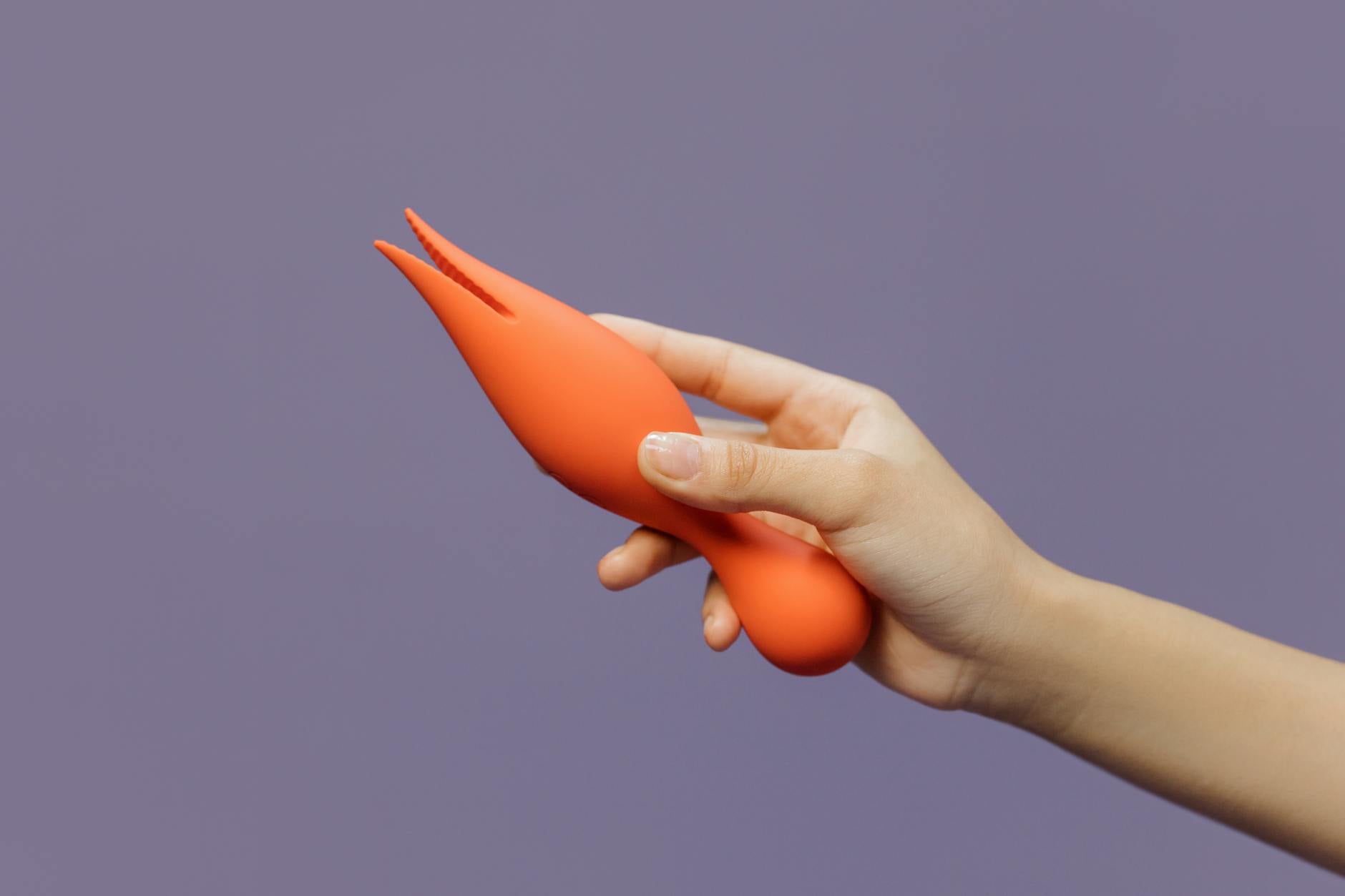
Photo by cottonbro studio on Pexels
What changes when you do this
Three things usually happen, and they happen in order.
First, your body starts responding faster. Arousal that took 20 minutes starts taking 12. Your nervous system begins to recognize "this is a safe context for pleasure." That's huge.
Second, you get specificity. Solo exploration teaches you exactly what works for your body right now. Maybe it's the pulsing pattern, not the steady hum. Maybe you like slower build-up. Maybe you need mental space as much as physical stimulation. When you know this about yourself, you can actually communicate it to your partner, or choose partnered sex that includes these elements.
Third, and this is the one that transforms the relationship dynamic: guilt starts to lift. You're no longer the person who "doesn't want sex." You're the person who reconnected with pleasure on your own terms and is now making clear choices about what you want. That's a different energy. Partners feel it. It changes everything.
How to talk to your partner about this
Don't make it a surprise. Have a conversation when you're both calm and clothed and not in the middle of a sexual moment.
Say something like: "I've noticed that sex has started to feel obligatory, and I hate that. I think part of the issue is that I've lost touch with what I actually want. I'm going to spend some time reconnecting with my own pleasure solo. This isn't about avoiding you. It's about remembering how to want something again. I'd like your support."
Most partners respond well to honesty, especially when you're taking responsibility for your own pleasure rather than asking them to fix you.
When to bring solo exploration into partnered time
Once you've had a few weeks of solo practice and your desire is starting to shift, you might bring your lemon vibrator into partnered time. This looks different depending on what you want. Maybe you use it while your partner is present but you're still focused on your own sensation. Maybe you use it together as part of foreplay. Maybe you use it during sex to bridge the gap between what you're feeling and what they're offering.
The key is that you're making an active choice, not performing a duty.
What this actually solves
Here's what I see in couples who do this work. Resentment starts to fade. The higher-desire partner stops feeling rejected because the lower-desire partner is actively engaged with their own pleasure and sexuality. The lower-desire partner stops feeling guilty because they're making intentional choices instead of going through the motions.
Sex doesn't always become more frequent. But it becomes more real. Both people are actually there, actually wanting to be there. That quality shift is what saves relationships.
Desire mismatch doesn't mean you're incompatible. It means you need a different conversation and a different approach. A lemon vibrator is just a tool. The real work is giving yourself permission to prioritize your own pleasure, separate from your partnership obligations. Once you do that, the rest usually follows.
Frequently Asked Questions
What if my partner feels threatened by me using a lemon vibrator solo?
That reaction usually comes from misunderstanding. Most partners worry it means they're not enough. Reframe it clearly: "This is about me reconnecting with myself, not about you being inadequate." If the concern persists, it might point to a larger trust or communication issue worth exploring with a therapist. A solo practice routine isn't a threat to a secure partnership. It's actually a foundation for one.
How long does it usually take to feel a shift in desire?
Two to three weeks of consistent practice is when most people notice a change. Your nervous system starts recognizing arousal as safe and available. If you're not noticing anything after four weeks, it might be worth checking in with yourself about stress levels, medication side effects, or underlying relationship issues that need separate attention.
Can I use a lemon vibrator to increase desire if I'm on medication that lowers libido?
A lemon clitoral vibrator can help you access pleasure despite medication effects, but it won't override a pharmaceutical side effect. If your libido tanked after starting something new, talk to your prescriber. Sometimes switching to a different dose or different medication class helps. Solo exploration with a lemon vibrator is a great parallel strategy, not a replacement.
What's the difference between using a lemon vibrator solo versus partnered?
Solo is about learning. Partnered is about connection. A lemon sucker works the same either way, but your nervous system is in a different state. Solo, you're in pure exploration mode. Partnered, you're managing two people's responses. Both are valuable. Solo comes first.
If desire mismatch is about stress, not attraction, will a vibrator actually help?
Yes, in an indirect but powerful way. A lemon vibrator gives your body a low-pressure way to access pleasure while stress is still present. This tells your nervous system that pleasure is still available, even when life is hard. Over time, this can help you hold both things: stress and pleasure, obligation and desire. The vibrator isn't solving the stress. It's teaching your body not to shut down entirely while stress exists.
Is it normal to feel uncomfortable or awkward the first time using a lemon vibrator solo?
Completely normal. Most people carry shame or awkwardness around solo pleasure. That's cultural, not personal. The awkwardness fades with practice. Give yourself three sessions minimum before deciding how you feel about it. Your comfort grows as your nervous system learns this is a safe activity.