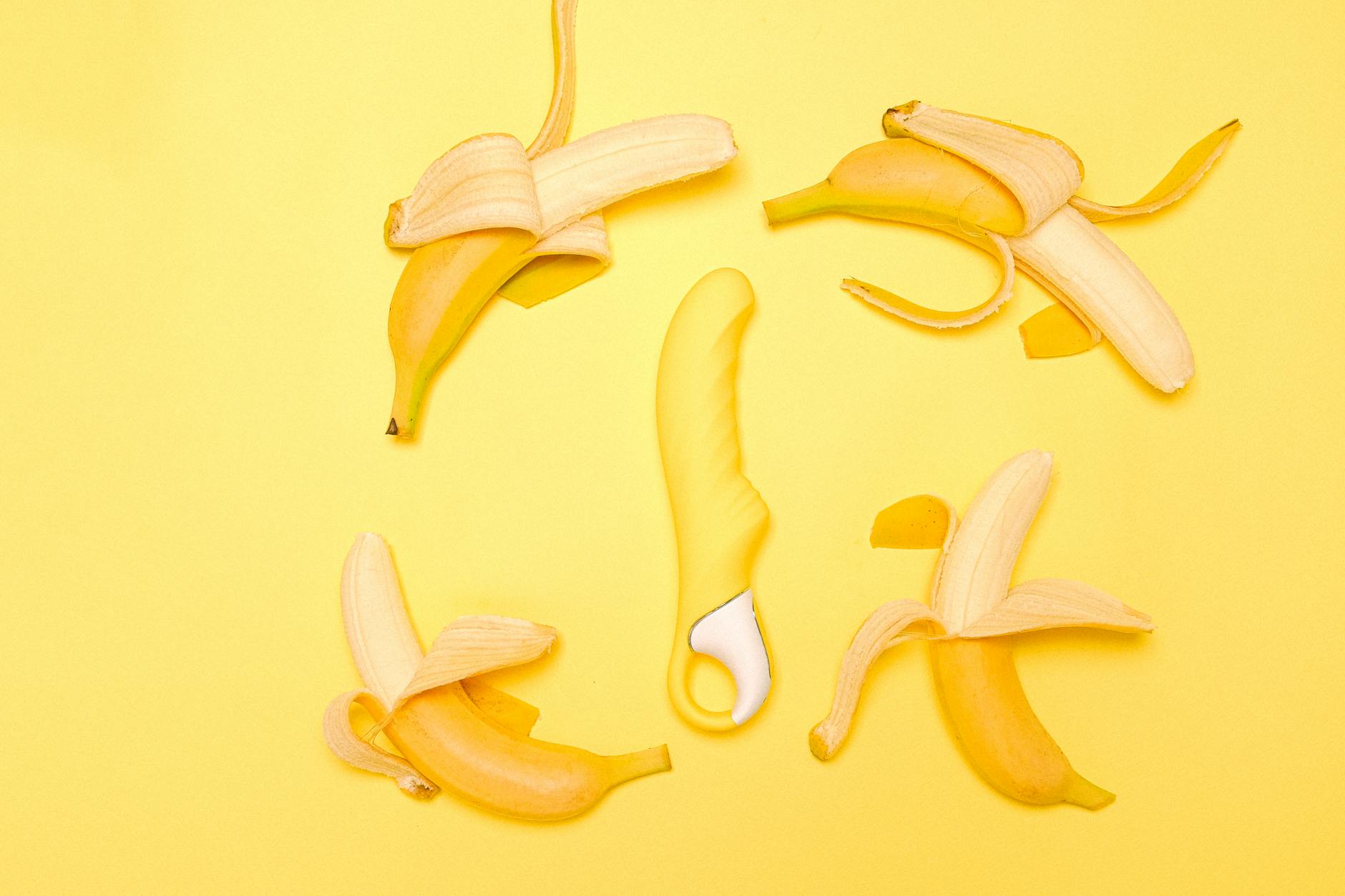
How to Use a Lemon Vibrator When Reconnecting With Solo Pleasure After Long-Term Partnered Sex
Honestly, this one's uncomfortable to talk about even though it shouldn't be. After years of prioritizing partnered sex, solo play can feel like stepping back into something you outgrew. Or like you're being unfaithful to the person sleeping next to you. Neither is true, and both feelings are completely normal.
Here's what I see in my practice: couples who've been together for a decade or more often lose track of what they actually want independent of their partner's needs. Solo pleasure isn't selfish. It's the fastest way to remember who you are sexually.
Why long-term partnerships change your relationship with solo pleasure
When you spend years having sex primarily with a partner, your arousal pattern gets calibrated to them. You know what they like, what gets them going fast, what rhythm works for them. Your own body's signals get quieter.
Then one day you try to touch yourself alone and it feels strange. Foreign. Your brain keeps narrating it as "wrong" or "disloyal" even though logically you know it isn't. This isn't a moral failure. This is what happens when one person's pleasure becomes the gravitational center of your sexual life.
A lemon clitoral vibrator changes this because it reintroduces novelty. You're not recreating what your partner does. You're discovering what your body actually wants independent of someone else's presence.
Starting solo: permission is the first step
I mean this literally. You might need to give yourself explicit permission before you touch yourself. Not the vague kind. The specific kind.
"I am allowed to explore my own pleasure without my partner present."
"This is not about my partner or our relationship."
"Solo play and partnered sex are separate conversations."
Say these out loud if you need to. People are often surprised how much resistance they feel until they name it. That resistance isn't weakness. It's just years of habit speaking.
Once you've given yourself permission, set up the actual conditions. This means a locked door, your phone on silent, and enough time that you're not half-listening for someone to need you. Twenty to thirty minutes minimum. Long enough to not feel rushed.
Using a lemon vibrator to reset your solo pleasure
A lemon sucker works differently than traditional vibrators, which is precisely why it's useful here. It uses gentle suction rather than pure vibration, which means you can explore sensation without the intensity that sometimes feels overwhelming when you're relearning your own body.
Start with the device turned off. Literally just hold it. Let your body remember what it feels like to be touched by something that isn't your partner's hand. This sounds basic but it matters. You're creating a new neural pathway.
When you turn it on, start at the lowest setting. The goal isn't orgasm right now. The goal is reconnection. Notice what feels good versus what you think should feel good. Notice where you want more pressure and where you want less. Notice if your mind keeps pulling back to your partner or the relationship and gently redirect it to sensation.
Many people find that using a lem vibrator, as opposed to your own hand, creates psychological distance that makes solo play feel less "loaded." It's not you doing this. It's a device. Somehow that distinction helps people relax.
The rhythm of rediscovery takes time
Don't expect fireworks the first time. After years of partnered sex, your solo arousal pathway is like a hiking trail that hasn't been used in years. It's overgrown. You need to walk it several times before it feels natural.
I typically recommend dedicating two to three weeks to solo exploration without the goal of orgasm. Yes, you might come. That's fine. But that's not why you're doing this. You're doing it to remember what your body wants when nobody else's needs are in the room.
After a few weeks, things shift. Your body starts to remember its own preferences. Your mind stops narrating shame. The lemon vibrator starts to feel less like a novelty and more like a tool for genuine pleasure.
Then something interesting happens. Many people report that solo pleasure becomes easier to talk about with their partner. "I've been using this time to explore what I like" is a much easier conversation than "I feel disconnected from my own pleasure." It's specific. It's active. It doesn't ask your partner to fix something.
What to do if guilt keeps showing up
It will, at least initially. That's not a sign you should stop. That's a sign you're touching something important.
The guilt often disguises itself as "I don't have time for this" or "This feels selfish" or "My partner wouldn't understand." The actual underlying message is usually something like "I learned a long time ago that my pleasure isn't as important as keeping the peace."
If this comes up, pause the physical exploration for a moment and just notice it. Don't judge it. Notice it the way you'd notice a cloud passing through the sky. Then ask yourself: Is this actually true right now, or is this an old rule I'm still following?
Often the answer is the latter. And once you notice that, it loses some of its power.
Reconnecting with your partner from a place of fullness
Here's the thing nobody tells you about solo pleasure after long-term partnership. When you reclaim it, partnered sex often gets better. Not because you're doing anything different during sex. But because you're showing up to it as a full person rather than a person who's been neglecting part of yourself.
You have more energy. Your desire feels more genuine because it's actually yours. You know what you want instead of defaulting to what you've always done. Your partner picks up on this shift even if they can't name it.
If you want to tell your partner what you've been doing, great. If you want to keep it private, that's fine too. This isn't about secrecy. It's about reclaiming your own internal landscape.
When to bring it into partnered sex
Once you've spent a few weeks reconnecting with solo play, you might notice that using your lemon vibrator during partnered sex feels different. Easier. More integrated.
Some couples use it together from the start. Others find that solo exploration for a month or two makes it much easier to introduce when the time is right. There's no universal timeline.
If you do decide to use a lemon clitoral vibrator with your partner, the conversation matters more than the device. "I've been exploring what feels good to me solo, and I think it might be fun to use it together" is radically different from "I need this because partnered sex isn't working."
The first one is additive. The second one is defensive. One opens a door. The other closes it.
The bigger picture: pleasure as self-respect
After years of centering your partner's needs, reclaiming solo pleasure is actually an act of self-respect. It's saying your body matters. Your preferences matter. Your pleasure matters independent of someone else's validation.
This isn't about the device. The lemon vibrator is just a tool. It's about permission. It's about time carved out for yourself. It's about rediscovering that you're a sexual being independent of your relationship status or your partner's desire.
Most people I work with are surprised by how much energy this releases. Not just sexual energy. Life energy. When you stop abandoning yourself, you show up differently everywhere.
So yes, reconnect with your body. Use whatever tool helps you do that. But mostly, reconnect with the idea that your pleasure deserves its own space in your life. That's where the real shift happens.
People Also Ask
Is using a vibrator alone while in a long-term relationship considered cheating?
No. Solo pleasure and partnered sex are separate activities that serve different functions. Solo play helps you understand your own body, preferences, and arousal patterns independent of another person's presence. This actually strengthens many relationships because you're showing up to partnered sex as a more integrated person. If you're worried about how your partner would perceive it, that's a separate conversation worth having, but the act itself isn't infidelity.
How often should I use a lemon clitoral vibrator when reconnecting with solo pleasure?
Start with two to three times per week for the first few weeks, with no pressure to orgasm. The goal is reconnection, not performance. After the initial exploration phase, frequency is entirely up to you and what feels good. Some people settle into a weekly rhythm, others more or less often. There's no correct frequency. Follow what feels nourishing rather than obligatory.
What if I can't orgasm during solo play with a lemon vibrator?
That's actually really common when you're first reconnecting with solo pleasure after years of partnered sex. Your nervous system might be waiting for external permission, or your mind might keep narrating judgment. If this happens, pause the goal of orgasm entirely for a few weeks. Focus instead on what sensations feel good. Pleasure exists on a spectrum wider than orgasm. Once you reconnect with the full spectrum, orgasm often becomes easier.
Can I use a lemon vibrator if I have low libido after years of long-term partnered sex?
Yes, though the approach matters. Start without any pressure to become aroused. The lem vibrator's gentler suction can sometimes help wake up sensation that's been dormant. But honestly, low libido after long-term partnership is often about emotional disconnection more than physical responsiveness. Solo exploration can help, but it might also be worth examining what's happening in the relationship itself. If desire has completely disappeared, that's worth discussing with your partner or a therapist.
Should I tell my partner I'm using a lemon vibrator for solo play?
That depends on your relationship culture. Some couples share everything about solo play. Others keep it private, and both approaches can work. The key question is: Do I need to tell them, or do I want to? Need usually signals that something in the relationship needs discussion. Want usually just means you're comfortable with transparency. If you're hiding it because you're afraid of their reaction, that's worth examining. If you're keeping it private because it's just your own space, that's fine.
How do I transition back to partnered sex after reconnecting with solo pleasure?
Gently. You might notice that you have preferences you didn't know you had, or that you want more or less of something than you did before. Bringing this back to your partner as "I've learned something about what feels good" rather than "You weren't doing this right" keeps it collaborative. Some couples find that introducing the lemon clitoral vibrator into partnered sex is a natural evolution. Others prefer to keep solo and partnered play separate. Both are valid.
Is it normal to feel guilty about solo pleasure in a long-term relationship?
Completely normal. After years of centering your partner's needs, your own pleasure can feel transgressive. That guilt is usually not about the act itself. It's about old rules you internalized about whose pleasure matters and whose doesn't. Noticing the guilt without acting on it is helpful. It's just information about what you believe, not a directive about what you should do.