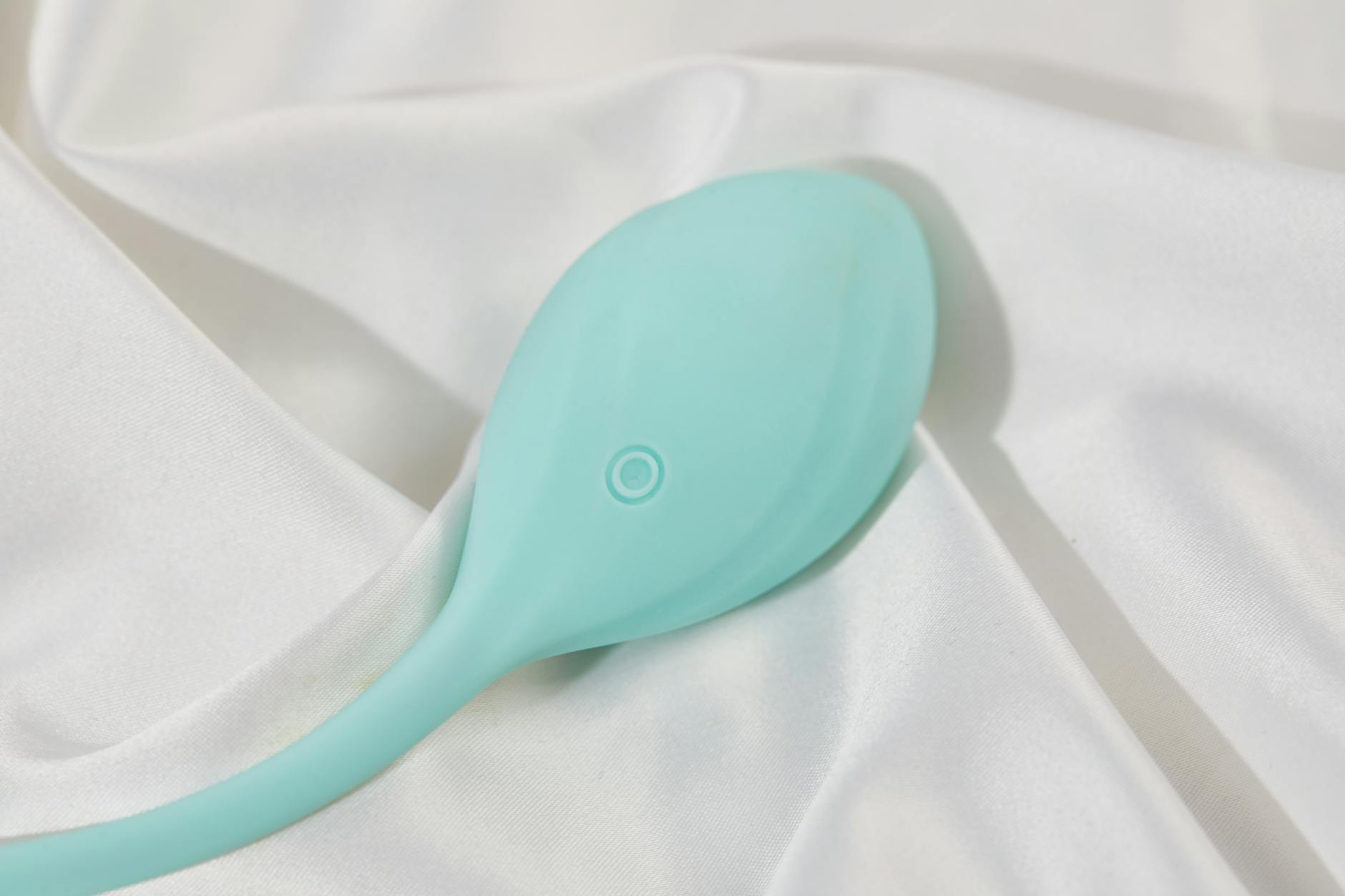
How your body changes during hormone therapy
Hormone therapy rewires pleasure. It doesn't break it, but it changes the map. If you're starting estrogen, testosterone, or blockers, your clitoris, arousal pattern, and orgasm intensity will shift. That's not a problem to solve. It's information you need to navigate pleasure with a lemon vibrator during this transition.
Here's what actually happens physiologically, and why it matters for using a clitoral vibrator effectively.
The neurological shifts that affect sensation
Hormone therapy changes how your nervous system responds to touch. Estrogen increases blood flow to genital tissue, thickens the vaginal lining, and can make the clitoris more or less sensitive depending on your baseline. Testosterone increases nerve sensitivity, speeds arousal, and can make orgasms feel sharper and more localized. Blockers (like spironolactone) reduce some of these effects, which means sensation may become softer or require more time to build.
This doesn't mean lemon vibrators stop working. They often work better. But the settings, warm-up time, and approach need adjustment.
Most people report that arousal takes longer during the first three months of hormone therapy. This is normal. Your brain is rewiring its arousal pathways while your body adjusts to new hormonal signals. Using a lemon clitoral vibrator at this stage means starting at lower intensity (pattern 1 or 2 instead of your old reliable 4) and giving yourself 20 to 30 minutes instead of 10.
Lubrication changes and what to use
Estrogen therapy usually improves natural lubrication within six to eight weeks. Testosterone therapy may decrease it, especially if you're also on blockers. Lubricant becomes either optional or essential depending on where you are in transition.
Here's what I recommend: switch to water-based lube during the first month of hormone therapy, regardless of direction. Your tissues are sensitive to hormonal shifts, and silicone-based lubes can irritate tissue that's already in flux. Water-based feels thinner, but it gives you accurate feedback about what's actually happening with your body versus what the lube is doing.
After six weeks, you'll know whether your natural lubrication is increasing, stable, or decreasing. Then you can adjust. If it's improving, you might stop using lube. If it's decreasing, keep the water-based lube on hand and use a lemon sucker or clitoral vibrator with it.
One more thing: if you're using a lemon vibrator during transition, always apply lube before you apply the toy. Your tissues need the slip right now more than your clitoris needs direct pressure.
Arousal and warm-up during early transition
Let's be honest. During the first two to three months of hormone therapy, arousal can feel stuck. You might not feel the usual anticipation. Your body might not respond to touches that used to work. This is not dysfunction. This is your nervous system recalibrating.
Using a lemon vibrator during this phase requires patience and a different approach. Instead of waiting to feel aroused before you start, start the warm-up first. Spend 10 minutes on your body. Use your lemon clitoral vibrator at the lowest setting while you breathe, think about sensations, and let your mind and body catch up to each other.
By month three, arousal usually speeds up. You'll notice that anticipation returns and that your body responds faster to the toy. At that point, you can return to your old warm-up length.
Intensity settings and sensitivity during transition
Your clitoris becomes more or less sensitive as hormones shift. Here's the pattern most people experience:
First month: more sensitive than baseline. Start at pattern 1 or 2 with a lemon vibrator. The sensation will feel intense even though the toy is on low.
Months two to three: sensitivity stabilizes. You can move to your baseline patterns (usually 3 to 5).
Months three to six: tissue thickness and blood flow improve. The lemon sucker or clitoral vibrator might start to feel less intense, so you can experiment with higher patterns.
This is not linear. Everyone's body is different. The key is checking in with yourself weekly. If a pattern that felt good last week suddenly feels too much, drop it back. If it starts to feel soft, you have permission to turn it up.
Orgasm changes and what to expect
Orgasms often feel different during hormone therapy. Some people report that they're slower to arrive (matching the slower arousal). Others report that they're more intense or have a different texture. Some describe them as deeper, more full-body, or more localized to the clitoris.
If you're using a lemon vibrator, you might notice that you need the toy to stay in one spot longer before orgasm arrives. You might also notice that once it arrives, it feels different. This is completely normal.
One thing that helps: don't chase your old orgasm pattern. Let this one be new. Use your lemon clitoral vibrator in a steady rhythm instead of varying the pattern. Many people in early transition respond better to consistency than to variation.
When sensation feels flat or missing
If you're on testosterone blockers or high-dose estrogen, sometimes sensation can actually decrease, especially in the first month. This is temporary, but it's disorienting.
If this happens to you, using a lemon vibrator at a higher intensity than you'd normally prefer is completely fine. You're not damaging anything. You're matching the tool to your current sensation. As your body adjusts over the next few weeks, you'll naturally migrate back to lower settings.
If flatness persists beyond three months, talk to your prescriber. Sometimes dosage adjustment or timing of doses (if you're on sublingual estrogen) can improve sensation. This is a real clinical conversation, not something to just accept.
Pelvic floor changes and physical comfort
Hormone therapy affects your pelvic floor muscles. Estrogen tends to relax them slightly. Testosterone can increase tension. If your pelvic floor gets tighter during transition, you might notice that the lemon sucker or any clitoral vibrator feels slightly uncomfortable around the base of the toy or deep in the pelvic floor.
If that happens, spend five minutes before using a lemon vibrator doing pelvic floor releases. Breathe into your pelvic floor like you're trying to soften it. Then start the toy. The difference is often immediate.
Using a lemon vibrator with a partner during transition
Hormone therapy is a profound change, and sometimes partners feel worried or unsure how to participate. Using a lemon clitoral vibrator together can actually bridge that gap, because the toy takes pressure off both of you.
If your partner is new to a lemon vibrator, start with the toy in your hands first. Show them what setting feels good, what rhythm you like, how it feels against your body. Then, if you want, let them try. They get to see exactly what you need, and you get to keep control of intensity.
Talk about the changes you're experiencing. "My arousal is slower right now" or "This intensity feels different than it used to" gives context instead of mystery. Pleasure is easier when you're not both trying to read each other's minds during a hormonal reboot.
Emotional shifts alongside physical changes
Hormone therapy often brings emotional shifts alongside physical ones. You might feel more confident, more calm, more irritable, or more emotionally open depending on what you're taking. These shifts can affect desire and pleasure in ways that have nothing to do with the toy.
If you notice that your desire for partnered pleasure or solo pleasure changes, that's worth noticing. It doesn't mean the lemon vibrator stopped working. It means your relationship to pleasure is changing alongside your hormones. That's normal. Give yourself permission to use the toy differently during this time. If you want more alone time with it, that's fine. If you want to use it more with a partner, that's also fine.
Timeline for full adjustment
Most people notice their pleasure patterns stabilize around month four or five of hormone therapy. By month six, your baseline is usually pretty solid. This doesn't mean changes stop at six months. They don't. But the acute, weekly shifts usually level out.
Use this timeline to ease off the accommodations. If you've been warming up for 30 minutes, start testing 20 minutes around month four. If you've been on pattern 2, try pattern 3. If you've been using lube, test one session without it. Let your body tell you when it's ready for the next step.
When to talk to a doctor
If sensation doesn't improve by month three, tell your prescriber. If pain appears during pleasure or during sex, don't wait. If desire completely disappears and isn't returning, that's worth a clinical conversation too. These are fixable problems, but they need professional input.
Genitourinary syndrome (tissue thinning, dryness, discomfort) can happen during any hormone therapy. A topical estrogen cream can help. Low desire during testosterone therapy might respond to dosage adjustment. These aren't things to tough out alone.
Using a lemon vibrator or any clitoral vibrator during hormone therapy is not just okay. It's a smart way to stay connected to your body during a major transition. You're gathering information about what feels good right now, which is the foundation for pleasure at every stage.
People also ask
Can I use a lemon vibrator immediately after starting hormone therapy?
Yes, but adjust your approach. Start at lower intensity settings and give yourself more warm-up time than you normally would. Your body is recalibrating its arousal response, so patience and a lemon clitoral vibrator at pattern 1 or 2 is a gentler entry point than jumping to your old settings.
Will a lemon vibrator feel different as my hormone therapy progresses?
Absolutely. In the first month, you might find even low intensity feels strong. By month three or four, you'll likely return to your baseline response or find that you want higher intensity. This is normal progression. Check in with yourself weekly and adjust patterns as your sensation stabilizes.
Is water-based lube better than silicone during hormone transition?
For the first month or two, yes. Water-based lube gives you clearer feedback about what your body is actually doing versus what the lube is doing. After your tissues stabilize around month three, you can experiment with silicone-based options if you want the richer feel.
What if my arousal stays slow after three months of hormone therapy?
Talk to your prescriber. Persistent arousal changes beyond the adjustment period can sometimes respond to dosage tweaks, timing changes, or addition of testosterone therapy (if you're on estrogen alone). This is a real clinical issue, not something to accept as permanent.
Can I use a lemon sucker during hormone therapy if my clitoris feels numb?
Yes. A lemon clitoral vibrator at higher intensity can help during numbness phases. As your hormones stabilize and sensation returns, you'll naturally migrate back to lower settings. You're not damaging anything by using higher intensity during a temporary sensation dip.
Should my partner know that I'm using a lemon vibrator during hormone transition?
That's your call. If you're in a partnered relationship, sharing what's happening with your body can actually strengthen intimacy. You can use the lemon vibrator solo or together. Either way, talking about the physical and emotional shifts you're experiencing helps partners understand what you need instead of guessing.