The six-week clearance that isn't actually a green light
Your OB/GYN says you're cleared for sex. Your perineum is healed. Bleeding has stopped. So why does the idea of intercourse feel like an obstacle course, not a pleasure?
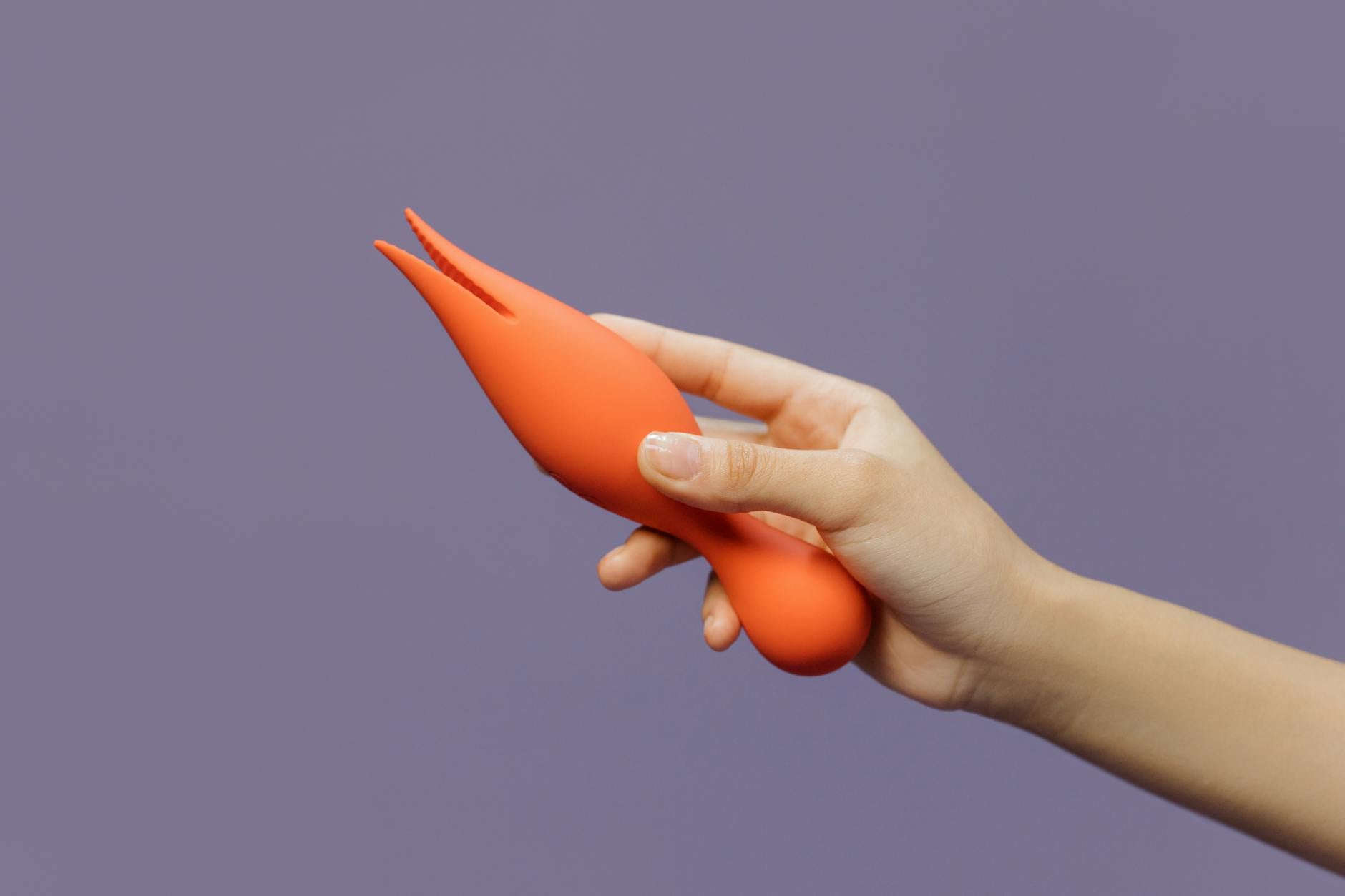
Honestly? Because your body went through trauma, and a calendar date doesn't erase that. Postpartum recovery is nonlinear, and clearing you for penetration doesn't mean you're ready for it. This is where a lemon clitoral vibrator becomes unexpectedly useful. Not as a replacement for partnered sex, but as a bridge back to sensation, arousal, and your own body's rhythm when everything still feels unfamiliar.
What actually happens to your clitoris after birth
Your clitoris doesn't sustain direct damage during vaginal delivery, but the surrounding tissue does. Swelling, tearing, stitching, and inflammation all reduce nerve sensitivity in the vulva. Even if your perineum healed cleanly, the entire pelvic floor spent months accommodating a growing baby, then contracting intensely during labor. That tissue is tired. Sensation can feel muted, distant, or weirdly unpredictable.
A lemon vibrator's gentle suction (not harsh vibration) reintroduces stimulation without the pressure that can still feel raw or overstimulating. It's precise, controllable, and you're in charge of the intensity.
Why sensation feels "off" and what to expect
Three factors pile on top of each other: hormonal crash, sleep deprivation, and the mental load of early parenthood. Your estrogen and progesterone have plummeted. Oxytocin is spiking from breastfeeding (which paradoxically can suppress other arousal signals). Your nervous system is in sympathetic overdrive. Of course pleasure feels blocked.
If you're breastfeeding, your body may also feel "touched out." Your partner wants closeness. Your baby demands constant physical contact. The last thing you need is more hands on you. A lemon clitoral vibrator lets you reclaim solo pleasure on your own terms, without negotiating with anyone else's timeline.
Starting with solo exploration (the foundation)
I always recommend starting alone, not with a partner. Here's why: you need to relearn what your body can feel, without the pressure to perform arousal or build toward partnered sex. Your nervous system needs permission to explore without expectation.
Set aside 20 minutes when you're alone and unhurried. Not at midnight when the baby finally sleeps and you're running on fumes. Afternoon, morning, whenever you have genuine calm. Wear comfortable clothes. Have water nearby.
Start with the Lem on its lowest setting (pattern 1 or 2). Approach your clitoris gently. You might feel almost nothing at first. That's normal. The goal isn't an orgasm. It's reacquaintance. Spend five minutes just noticing what you feel. Does the stimulation feel good, uncomfortable, numb, or confusing? All of those responses contain data.
Building tolerance and finding your rhythm
Try this progression across three to five sessions over a week or two:
Session 1-2: Pattern 1, 3-5 minutes. Goal: notice what you feel. No orgasm needed.
Session 3: Pattern 1 or 2, 7-10 minutes. Let arousal build if it wants to. If it doesn't, that's fine too.
Session 4-5: Experiment with patterns 2-3 for 10-15 minutes. Pay attention to what feels good versus what feels like work.
You're not chasing a specific outcome. You're gathering information about what your postpartum body enjoys. Many people find their sensitivity returns gradually over weeks, not days.
When to bring a partner into the picture
Once you've spent solo time with the lemon vibrator and have a sense of what feels good, you can invite your partner to join. But frame it carefully. This isn't about them trying to "help you get off" or prove you're ready for intercourse. It's about rebuilding intimacy and shared pleasure.
Start with the vibrator during foreplay, not as a substitute for it. Have them hold the Lem on your clitoris while they kiss your neck or touch other parts of your body. The combination of sensations and their presence can feel deeply reconnecting without the vulnerability of intercourse.
If you're not ready for a partner yet, that's equally valid. Solo pleasure is complete. It doesn't owe partnership anything.
Pain, numbness, and when to pause
If anything hurts, stop immediately. Postpartum pain during sexual touch isn't something to push through. It's a signal that healing needs more time or that something needs medical attention.
Pain during penetration after six weeks can indicate perineal tension, residual swelling, or tissue that needs more care. A pelvic floor therapist can do wonders here. A lemon clitoral vibrator is designed for external stimulation, which often feels safer and more comfortable than penetration when you're still healing.
Numbness is different from pain. Partial numbness in the vulva after birth is common and usually resolves over months. The lemon vibrator can actually help. Gentle, consistent stimulation encourages nerve reactivation. If numbness persists beyond a year, mention it to your provider.
Managing touch sensitivity and overstimulation
If your clitoris feels hypersensitive or overstimulated by touch, you might assume a vibrator will make it worse. Actually, the opposite is often true. Overstimulation usually happens because the intensity is too high or the touch is too direct.
A lemon vibrator's suction function distributes stimulation across a wider area, which can feel gentler and less jarring than fingertips or a partner's touch. Start on the lowest pattern and hover slightly above your clitoris rather than pressing directly on it. Let the suction pull gently. You control the pressure entirely.
The mental-emotional piece (it's real)
Physical sensation is only part of the puzzle. Your brain is processing the identity shift from woman to mother, sleep deprivation, hormonal chaos, and often the loss of sexual autonomy. Your body is not a problem to solve. Your nervous system is adapting.
Self-pleasure with a lemon vibrator isn't just about physical sensation. It's a boundary. Time for yourself. Permission to want something that isn't about anyone else's needs. That psychological permission matters as much as the vibration itself.
Many postpartum people find that they can access orgasm more easily when alone with a lemon clitoral vibrator than with a partner in the first year after birth. That's not a deficit. That's wisdom. Honor what your body is telling you.
Practical logistics: hygiene and comfort
If you had stitches or significant tearing, your care routine matters. Keep your lemon vibrator clean. Wash it with warm water and mild soap before and after use. Let it air dry.
Water-based lubricant isn't usually necessary for clitoral play, but if your external tissue still feels tender or dry, a small amount can add comfort without creating risk. Avoid anything with glycerin or warming agents. Stick to plain water-based lubes.
Wear clothing you can easily adjust without fumbling. Elasticated waistbands, easy access. You don't need complexity when you're trying to relax.
How long until you feel "normal" again
There's no fixed timeline. Some people feel reclaimed in their body by three months postpartum. Others take a year or more. People who had major tearing, instrumental delivery, or C-section births often take longer. People dealing with postpartum depression or anxiety may find pleasure feels impossible for a while, which is also completely normal.
A lemon vibrator is a tool for exploring your timeline, not rushing it. If you're using one consistently and not feeling progress after four to five months, chat with a pelvic floor therapist or postpartum-focused healthcare provider. Sometimes there's an underlying tension or healing issue that needs professional input.
When to seek additional support
If pleasure remains completely blocked beyond six months postpartum, pain persists, or you're experiencing sexual aversion, reach out to someone. A pelvic floor physical therapist can identify tissue restrictions. A postpartum-trained therapist can help with the emotional barriers. A postpartum psychiatrist might address hormonal factors or mood.
Your pleasure matters. It's not frivolous. It's connected to your sense of self, your relationship with your body, and your overall wellbeing. Reclaiming it with intention, using tools like a lemon clitoral vibrator, and seeking support when needed is part of genuine postpartum recovery.
People Also Ask
How soon after birth can I use a vibrator?
Wait until bleeding has completely stopped and any visible wounds have closed. That's usually 4-6 weeks, but your body's timeline is individual. Once cleared by your provider for external sexual touch, a lemon vibrator on a low setting is gentler than fingers or a partner's touch and can be a safe starting point for reacquaintance with sensation.
Can using a lemon vibrator during postpartum recovery help rebuild arousal?
Yes, consistently. Your arousal system feels muted after birth due to hormonal shifts, sleep deprivation, and nervous system changes. Gentle, solo stimulation with a lemon clitoral vibrator gradually reactivates sensation pathways and teaches your body that pleasure is still possible. Start with no expectation of orgasm. Arousal often returns once you've given your nervous system permission to feel.
Is it normal to have no sensation in my clitoris weeks after birth?
Completely normal. Swelling, inflammation, and nerve compression from labor all reduce sensation temporarily. Partial numbness can last weeks or months. A lemon vibrator's gentle suction can actually help stimulate nerve endings back to life. If numbness persists beyond a year, discuss it with your healthcare provider.
Can my partner use a lemon vibrator on me if I'm still healing?
Absolutely, but set clear boundaries first. Establish that this is about gentle reacquaintance, not leading toward penetration or "performing" arousal. Have your partner start on the lowest intensity setting. Communication is everything. If something feels wrong, speak up immediately. A lemon clitoral vibrator can actually help rebuild shared intimacy because it focuses on external sensation, which is often more comfortable during early postpartum recovery than penetration.
Will using a lemon vibrator make it harder to feel pleasure without one later?
No. Your clitoris has the same nerve density whether you use a vibrator or not. A lemon vibrator is a tool for stimulation, not a replacement for other forms of touch. Many postpartum people find that using a vibrator during early recovery helps them feel pleasure again, which then extends to partnered sex, hands, and other forms of stimulation as time goes on.
What if I still don't feel ready for sex at three months or six months postpartum?
Trust that timeline. Postpartum recovery isn't linear, and readiness depends on physical healing, hormonal stabilization, mental health, relationship dynamics, and pure individual variation. Solo exploration with a lemon vibrator on your own schedule can help you reconnect with your body without pressure. If lack of desire persists or feels distressing, speak with a therapist or healthcare provider. Postpartum depression and anxiety often suppress sexual desire, and both are treatable.
You're exactly where you should be
Your body grew and birthed a human. That's extraordinary and exhausting. Reclaiming pleasure isn't about "getting back to normal." You're not going backward. You're moving forward into a different version of yourself.
A lemon clitoral vibrator is a small, intentional tool for that journey. Use it solo first. Use it to remember what your body can feel. Use it on your timeline, not anyone else's. And reach out to a professional if pleasure remains blocked or pain persists. Your postpartum recovery is worth investing in.
When you're ready to explore more about rebuilding intimacy during major life transitions, consider reading about how couples with significant differences in desire can reconnect. The principles are similar: communication, patience, and letting go of what "should" happen in favor of what actually feels good.