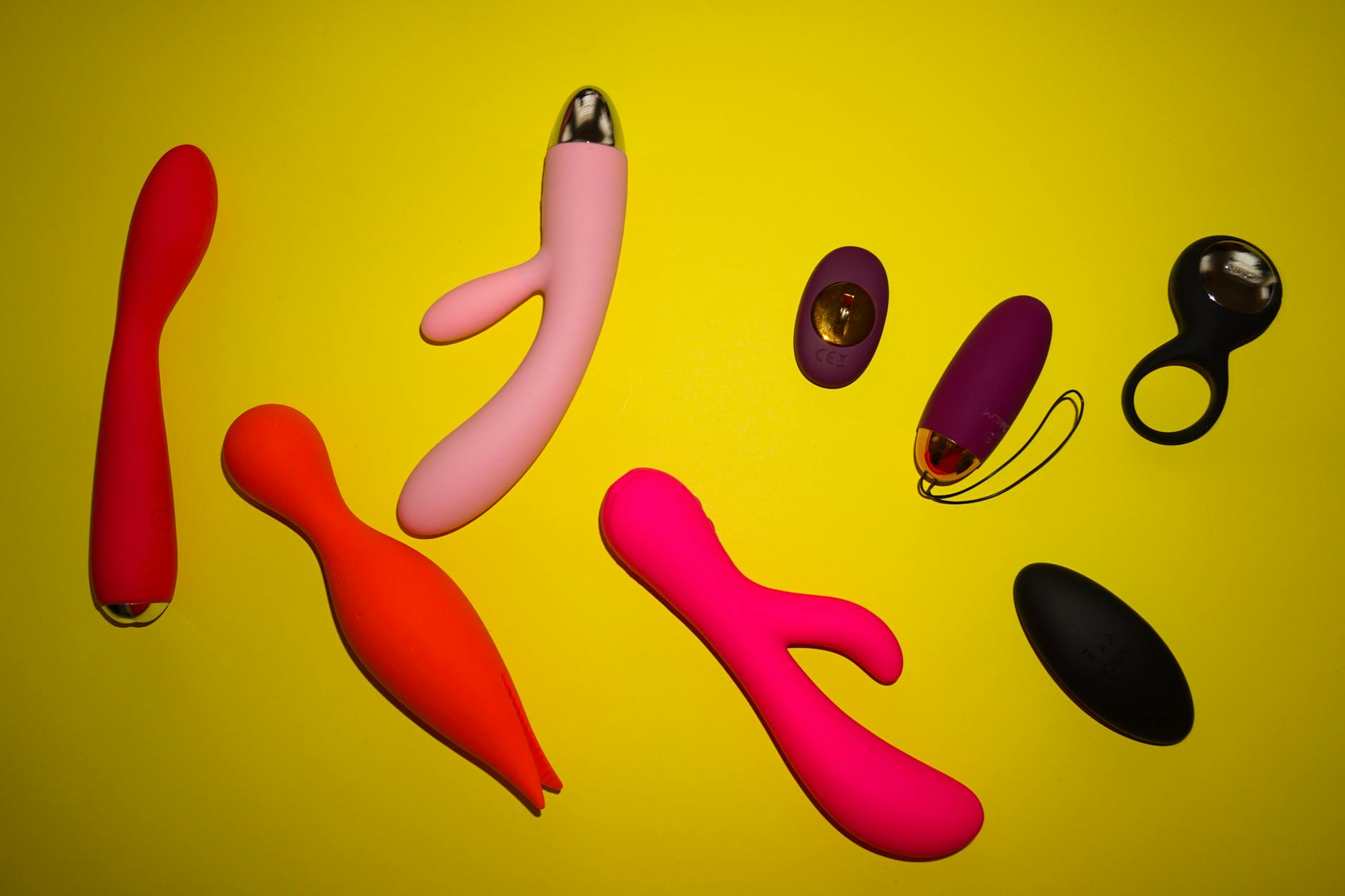
Let's start with the honest part
Using a clitoral vibrator after sexual trauma isn't just about technique. It's about permission, control, and the slow work of rebuilding trust in your own body. The good news is that lemon vibrators like the Lem are actually designed in ways that make this process gentler than you might expect.
Here's what I want you to know first: your sensitivity isn't broken. It's your nervous system doing exactly what it's supposed to do. The goal isn't to force pleasure. It's to create conditions where pleasure becomes safe again.
Why trauma changes how touch feels
Sexual trauma rewires the brain's threat detection system. Your body learns to treat certain sensations as warnings, not invitations. This makes clitoral stimulation feel overwhelming, too intense, or triggering. Even stimulation that felt good before trauma can feel different afterward.
The nervous system operates on a spectrum from shutdown (frozen, numb) to hyperarousal (flooded, panicked). Pleasure lives in the narrow space between these two extremes. Most trauma survivors find their nervous system camping on one end or the other, which is why generic advice about "just relax" lands like a punch.
Using a clitoral vibrator like the Lem after trauma works because it puts you in the driver's seat. You control the intensity, the duration, the moment you stop. This is where reclamation begins.
Creating the conditions for safe exploration
Before touching your body at all, your environment matters.
Privacy and time. No rushing, no listening for footsteps. Your nervous system needs to know you're genuinely safe before it will even consider relaxation. Set aside 20-30 minutes with your phone on do-not-disturb. This sounds basic, but it's foundational.
Temperature and comfort. Warmth signals safety to your nervous system. A warm room, warm hands, maybe a blanket nearby. Your body needs to know it's held.
Grounding anchor. Before you use your vibrator, identify something you can reach for if sensation becomes too much. A soft object, an ice cube, a specific breath pattern you've practiced. This isn't failure. It's your escape hatch, and having one makes exploration feel less risky.
The pause ritual. Decide in advance that you'll pause at 30 seconds, then 60, then at your own pace. This breaks the experience into tiny, manageable chapters instead of one long stretch that might feel threatening.
Starting with the Lem on its lowest setting
A lemon vibrator uses suction, not vibration. This is already different from what might have been used to hurt you. The gentle pulsing sensation of the Lem targets nerve endings without the sharp intensity of traditional vibrators.
Here's how to begin: hold the Lem in your hand for a full minute before turning it on. Let your body adjust to the temperature and weight of the object. This might sound slow, but your trauma-informed nervous system needs runway time.
Turn the device on at level 1. The lowest setting should feel almost gentle. If you're numb, that's normal. If you feel a flutter of sensation, pause and breathe. Stay there for 10-15 seconds before moving it anywhere near your genitals.
Place the Lem on your inner thigh, an inch away from your vulva. Not on your clitoris yet. Let your body register: this is different. This is me in control. This can stop anytime.
The nervous system's language: pacing and breaks
I've worked with dozens of trauma survivors who rushed this process and froze or flooded. The problem wasn't the vibrator. It was skipping the pause.
Your nervous system doesn't speak in minutes. It speaks in sensations. What you're listening for is: does my body feel like it's opening up, or is it clenching? Opening feels like softening, warmth, maybe a slight pulse of interest. Clenching feels tight, numb, distant, or panicked.
If you feel opening, stay at that level for 2-3 minutes before moving closer to your clitoris. If you feel clenching, turn the device off, put it down, and stop. This isn't giving up. This is your body saying "not yet," and honoring that is how trust gets rebuilt.
When you do bring the Lem closer to your clitoris, don't make contact yet. Hover it. Let the sensation approach you before you grab it. This might feel counterintuitive, but your nervous system needs to know you're not being ambushed.
Understanding dysphoria and numbness
Many trauma survivors experience one of two sensations when they start: overwhelming intensity or total numbness. Both are normal. Neither means you're broken.
If everything feels too intense, you might have a hyperaroused nervous system. Here's what helps: dial back even further. If level 1 feels like too much, use the Lem on a level that produces barely perceptible sensation. Sit with that for several sessions before progressing. Your body needs proof that nothing bad will happen.
If you feel completely numb, you might be experiencing shutdown. This is your nervous system protecting you. Don't push through it. Instead, spend a few sessions just holding the Lem, turning it on and off, and letting your body get curious about it without pressure to feel anything. Numbness can soften when there's no demand attached.
Both states take time to shift. Weeks, sometimes months. That's not slow. That's healing.
Why the Lem design helps specifically
The suction mechanism of the Lem is gentler than traditional vibrators for a reason. It mimics a softer, more dispersed sensation instead of direct friction. For someone whose nervous system has been damaged, this difference is significant.
The silicone is smooth and non-threatening. The size is compact, so it never feels overwhelming. The sensation starts broad and can be concentrated only when you're ready. This is why many trauma survivors find the Lem more approachable than other lemon clitoral vibrators or traditional vibrators.
If you're rebuilding sexual confidence after body changes, trauma adds another layer. The Lem gives you back the basic thing trauma steals: control.
When to bring a partner (or not)
If you have a partner, decide in advance whether you want them present. Trauma doesn't mean you can't have partnered pleasure, but it does mean the pace is your call, not theirs.
If your partner is present, agree that you're leading. They can watch, but they don't touch. They don't narrate what's happening. They just hold space. Many partners feel helpless after their partner experiences trauma. Giving them the role of "silent witness who respects all boundaries" can actually help them feel less stuck.
If you're exploring alone, that's equally valid. Solo exploration after trauma is often where the deepest reclamation happens, because there's truly no one to perform for and no one's response to manage. You can use a lemon vibrator for reconnecting with solo pleasure without any audience or expectation.
Managing setbacks and triggered moments
Some days the vibrator will feel good. Some days you'll turn it on and feel a flood of panic. This isn't failure. This is your nervous system processing at its own pace.
If you get triggered mid-session, turn off the device immediately. Put it down. Ground yourself in your body by pressing your feet into the floor or splashing cold water on your wrists. Then gently remind yourself: I chose to do this. I was in control. It's over now.
The next time might feel different. You might need to start at an even earlier stage, and that's okay. Healing isn't linear. It spirals, and some spirals are tighter than others.
Moving forward: the pleasure timeline
Many trauma survivors report that genuine pleasure takes 3-6 months of consistent, patient practice to feel possible again. Some take longer. This timeline isn't something to rush or feel frustrated about. This is your nervous system learning to trust your own touch again.
The markers you're looking for aren't orgasms. At first, they're much smaller: a moment of genuine relaxation, a flash of warmth, a sense of "I could stop and I'm choosing not to." These tiny wins are where reclamation begins.
Using a lemon vibrator during this phase works because the device itself says what your nervous system needs to hear: you're in charge. The pace is yours. The pleasure is yours. That's where everything starts.
People also ask
Is it normal to feel nothing when using a lemon vibrator after trauma?
Completely normal. Trauma-related numbness is your nervous system in shutdown mode, protecting you from sensation it perceives as dangerous. Your clitoris isn't broken. Your capacity for sensation is still there. It's just temporarily offline. The key is not to push through the numbness. Instead, spend several sessions just getting familiar with the vibrator without any expectation of pleasure. Let your body get curious at its own pace. Most survivors find sensation returning after 4-8 weeks of gentle, pressure-free exposure.
Can I use a lemon vibrator if clitoral touch feels painful after trauma?
Pain during or after use is worth addressing with a trauma-informed therapist or pelvic health specialist. Pain can signal either hypervigilance (your nervous system is stuck in high alert) or sometimes a medical issue that's unrelated to trauma. Don't ignore it. The Lem on its lowest setting is gentler than many options, but if even gentle touch triggers pain, professional guidance helps separate what's trauma-based from what might need medical attention.
How long should I wait before using a vibrator after experiencing trauma?
There's no universal timeline. Some survivors feel ready after weeks. Others need months or years. The question isn't "When will I be ready?" but "When do I genuinely want to explore this for myself, not because someone else thinks I should?" When that answer is yes, you're ready. If you're using a vibrator because a partner is pressuring you or because you think you "should," wait. Reclamation only works when it's driven by your own desire.
What's the difference between a lemon vibrator and other adult toys for trauma survivors?
Lemon vibrators use suction instead of direct vibration, which creates a gentler, more dispersed sensation. They're also typically smaller and less intimidating than traditional vibrators. For trauma survivors, this design matters because it feels less aggressive and gives your nervous system less to process. That said, the best toy is the one that feels right for your body. A lemon clitoral vibrator works well for many, but if something else calls to you, that's valid too.
Can I use a vibrator if I'm not sure whether I want partnered sex or solo play after trauma?
Absolutely. Using a vibrator solo gives you space to explore your own pleasure without managing anyone else's response or needs. Many survivors find that solo exploration with a device like the Lem helps them figure out what they actually want, separate from trauma responses or partner expectations. After that clarity settles, some choose partnered play and some don't. Both are complete paths to healing.
Is it okay to use lube with a lemon vibrator?
Yes. Water-based lubricant can help the Lem glide more smoothly and reduce friction if your body feels reactive. It also signals to your nervous system that you're taking care of yourself, which is part of the reclamation process. Use whatever amount feels right. More isn't necessarily better. Let your body guide how much contact and sensation you want.
Final word
Reclaiming pleasure after trauma is an act of resistance. It says to your nervous system: you don't get to own my body anymore. I do. Using a lemon vibrator is one small, practical way to practice that ownership. There's no race. There's no timeline. There's just you, your body, and the slow, steady work of learning to trust sensation again. That's enough.