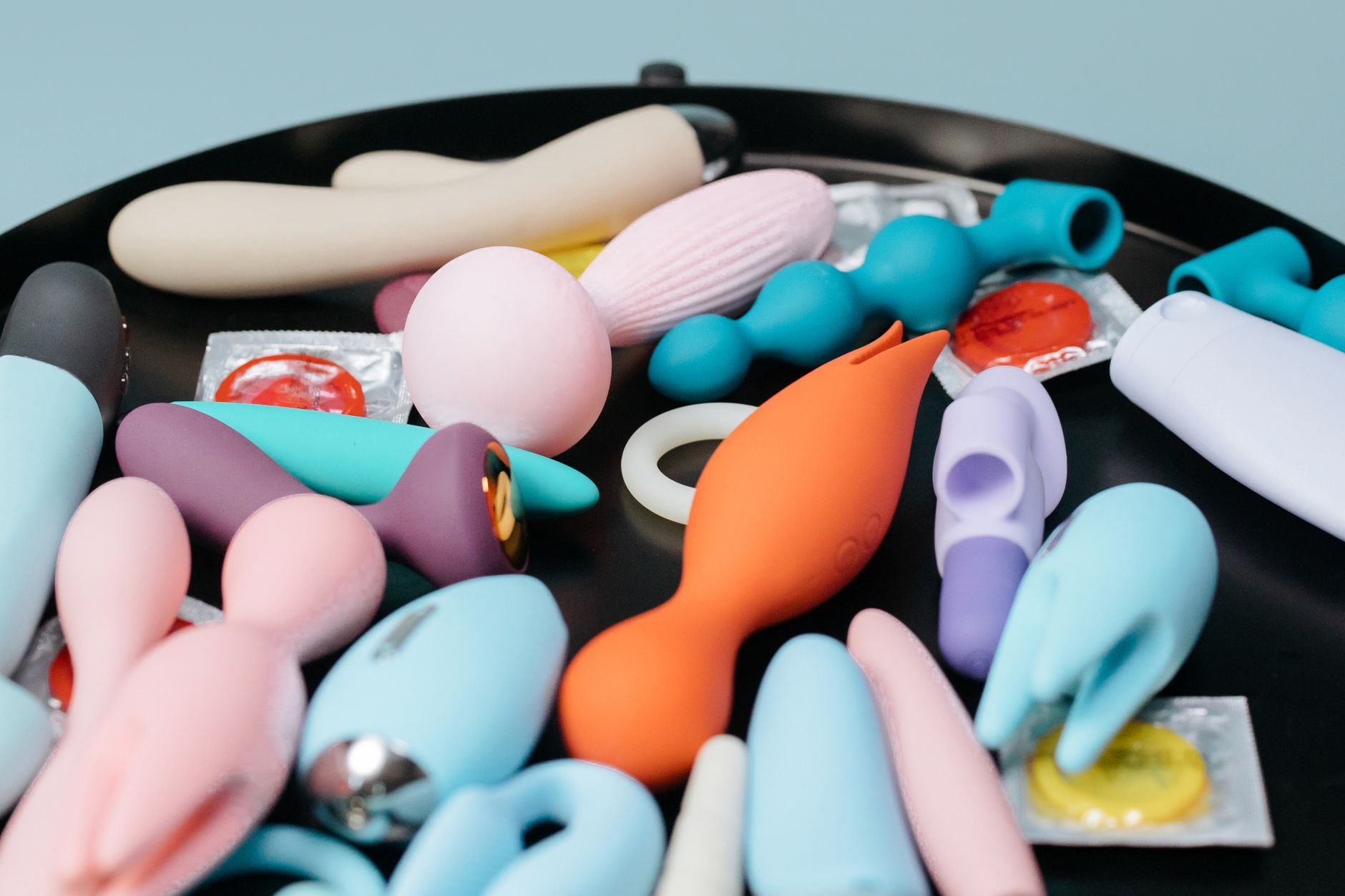
When stress kills desire, your body goes into shutdown mode
Here's the thing about stress and arousal: they're neurologically incompatible. When you're stressed, your nervous system floods with cortisol and adrenaline, which directly suppress the dopamine and acetylcholine your body needs to feel turned on. It's not psychological weakness. It's biology working exactly as it should. Stress meant danger once, and danger meant reproduction could wait.
But modern stress doesn't signal danger to your body the way a predator once did. Work deadlines, family obligations, financial worry, relationship tension—these chronic stressors keep your nervous system stuck in a low-level alert state for months or years. And when you're in that state, desire doesn't just quiet down. It goes dormant.
The problem with waiting for stress to disappear
We get told that the solution is simple: reduce stress, have sex. But here's what nobody explains clearly. Stress rarely disappears completely. Life is full, demanding, complicated. And if you wait for total calm before you touch yourself or be intimate with a partner, you're essentially deciding to give up on desire until retirement.
The paradox is that physical pleasure actually helps reduce stress. Orgasms lower cortisol, increase oxytocin, and activate the parasympathetic nervous system (your body's brake pedal). But accessing that benefit when you're stressed requires a different approach than when you're relaxed.
Lemon vibrators and clitoral vibrators from Hello Nancy change this equation because they work with a stressed nervous system instead of asking it to shift gears completely first.
How lemon suction vibrators bypass the mental barrier
A lemon vibrator (also called a Lem or clitoral suction toy) creates sensation through gentle air-pulse suction rather than direct vibration. This matters more than you'd think when stress is in the way.
Direct vibration requires your nervous system to register the sensation, interpret it, and gradually shift into arousal. That's multiple steps. When you're stressed, that chain often breaks somewhere in the middle. You feel the stimulation but it doesn't land. It stays sensation without becoming pleasure.
Suction works differently. It creates a rhythm of pressure and release that engages the clitoris from multiple angles at once. Many people find that lemon vibrators trigger arousal faster because the sensation is harder to ignore. Your body can't zone out from a pulsing pressure the way it sometimes can from a vibration.
In practical terms: if your mind is checking emails while your partner touches you, a lemon clitoral vibrator is more likely to pull your attention back into your body.
Setting yourself up for success: the stress-aware approach
Using a lemon vibrator when stress has flattened your desire works best if you approach it strategically. Here's what I recommend to clients.
Start with one small boundary. Not a 90-minute date night. Twenty minutes where your phone is in another room and you're not thinking about what's next. That's it. This isn't about performance or reaching a specific outcome. It's about signaling to your body that pleasure matters.
Timing beats willpower. Don't wait until bedtime when you're exhausted. Use your lemon vibrator when you have actual energy, even if that's Sunday morning or a random Tuesday afternoon. Stress-affected libido responds to ritual and consistency, not romance movie timing.
Lower your expectations radically. An orgasm would be great. But the goal is sensation, not climax. If you use a lemon vibrator and feel something different, sharper, more present than you have in months, that counts as a win. Your body is remembering how to respond.
Use lubricant even if you think you don't need it. Stress doesn't just affect your brain. It affects your whole-body lubrication. Water-based lube ensures that the sensation from your clitoral vibrator isn't complicated by friction.
Rebuilding arousal step by step with your lemon vibrator
When stress has completely flatlined your desire, jumping straight to full intensity usually backfires. Your body doesn't trust that pleasure is safe yet. So build gradually.
Week one: sensation mapping. Use your lemon vibrator at the lowest setting, touching different parts of your vulva. Outer labia, the shaft of the clitoris (not the glans), the area where the clitoris connects to the labia. Notice where sensation feels sharper or more present. This isn't foreplay. It's gathering information.
Week two: pattern and pressure. Once you've identified the spots that respond, use slightly higher intensity for 10 to 15 minutes. Don't chase an orgasm. Notice instead how the pulsing sensation from your clitoral vibrator changes when you stay in one spot versus moving around. Let your body experiment.
Week three and beyond: integration. Now you're ready to combine techniques. Try using your lemon vibrator with other touch, mental focus, or even partnered time if you have a partner. Your nervous system has started the process of associating pleasure with safety again.
When arousal stalls and what to do about it
You'll probably hit a point where using your lemon vibrator feels good but doesn't build toward orgasm. This is actually normal and important. It means your body is recalibrating.
If that happens, two options. First, extend the time. Sometimes arousal takes 30 or 40 minutes to build when you're stress-affected. That's not slow. That's your system working. Second, shift your focus away from the goal of climax entirely. Use your clitoral vibrator to feel pleasure, then stop. Full stop. No attempt to reach an endpoint. This teaches your body that pleasure exists for its own sake, not as a stepping stone to something else.
The role of your mind when your body is stressed
Stress doesn't just block arousal. It fills your head with competing thoughts. You're thinking about the work email you didn't send, whether you fed the dog, how you look, whether you're taking too long. A lemon vibrator can't fix those thoughts. But it can create enough present-moment sensation to interrupt them.
Most of my clients find that using a clitoral vibrator requires them to focus on something: the sensation itself, the rhythm, what they notice changing. That focus is the break from stress they actually needed.
If intrusive thoughts keep derailing you, pair your lemon vibrator with something external. Music you love. A guided meditation designed for pleasure (not sleep). Sometimes even just naming what you notice out loud pulls you back into your body.
Working with a partner when stress is in the way
If you have a partner, involving them with your lemon vibrator can help rebuild connection that stress has frayed. But timing matters.
Don't make it a performance or a test of your relationship. "Let's try this vibrator so I can feel something" puts pressure on both of you. Instead, frame it as exploration you're inviting them into. "I've been stressed and feeling disconnected from my body. I want to rebuild sensation. Would you be here with me while I figure out what works?"
Then use your clitoral vibrator while they're in the room but not necessarily directing it. They can watch, touch you in other ways, or simply be present. That combination of your lemon vibrator and their attention often rebuilds arousal faster than either alone.
The stress-arousal cycle and why it doesn't fix itself
Here's something that catches people off guard. Stress reduces arousal, reduced arousal creates frustration and shame, and frustration plus shame add more stress. It's a locked cycle.
You can't think your way out of it. Telling yourself "I should want sex" doesn't rewire your nervous system. But using a tool like a lemon vibrator that creates undeniable physical sensation does start to interrupt the cycle. Your body remembers that pleasure is possible. Your nervous system begins to trust that it's safe to let arousal happen.
That's not magic. That's neurology.
Knowing when to reach out for more support
If you've been using a lemon clitoral vibrator consistently for two months and feel no shift in arousal, or if the stress itself is overwhelming (constant panic, sleep loss, inability to focus), that's when a therapist or your GP becomes valuable. Sometimes stress-affected libido is tied to deeper anxiety patterns or depression that need treatment.
I work with couples and individuals where that line gets crossed regularly. Pleasure isn't selfish. It's a health marker. If you can't access it, that's worth investigating, not ignoring.
A quick word on Hello Nancy and your lemon vibrator
If you're new to clitoral vibrators, the Lem from Hello Nancy is purpose-built for this kind of recovery work. Suction toys work particularly well for stress-affected arousal because they create sensation that's hard to zone out from. You can start at setting one and work up, which means your nervous system never has to handle more intensity than it's ready for.
FAQ: Stress, arousal, and lemon vibrators
How long does it take for a lemon vibrator to help when stress has killed my desire?
Most people notice a shift in sensation within the first week of consistent use. But arousal rebuilding usually takes 4 to 8 weeks. You're not just adding pleasure back. You're teaching your nervous system that pleasure is safe again. That takes time and repetition. Be patient with yourself.
Can I use a lemon clitoral vibrator if I'm on antidepressants that also reduce sensation?
Yes. In fact, how lemon vibrators help with arousal and sensation after antidepressants covers this specifically. The combination of medication-related numbness plus stress-related flattened desire requires a gentle, gradual approach. Your clitoral vibrator is still useful, but intensity building matters even more.
Does using a lemon vibrator alone help, or do I need a partner involved?
Solo use is actually the best starting point when stress is high. You remove the performance pressure entirely. When you can access arousal alone with a clitoral vibrator, bringing a partner back into that space becomes easier. How to use a lemon vibrator for solo pleasure without a partner walks through this approach in detail.
What if my stress is actually about my relationship or my partner?
If the stress is relational (partner conflict, mismatched desire, feeling disconnected), a lemon vibrator can help rebuild intimacy on your side. But it can't fix the relationship dynamic itself. You might benefit from couples counseling alongside using your clitoral vibrator to restore physical connection.
How is using a lemon vibrator different from other clitoral vibrators when I'm stressed?
Suction vibrators like the Lem create rhythm through pressure waves rather than direct oscillation. Many people find that this rhythm is easier to focus on, which helps interrupt the mind-spinning that stress creates. Other vibrators absolutely work too. But if concentration is hard when you're stressed, a lemon sucker often works faster.
Can stress return and flatten my arousal again even after I rebuild it?
Yes. Stress isn't a problem you solve once. Your nervous system will keep responding to ongoing pressure. But once you've rebuilt the neural pathway between sensation and arousal using your lemon clitoral vibrator, rebuilding it again gets faster. You know it's possible. Your body remembers.
Your body's arousal is worth protecting
Stress is relentless and it's legitimate. Work pressure is real. Family obligations are real. But your right to feel pleasure in your own body is also real and equally worthy of protection.
Using a lemon vibrator, being intentional about time and boundaries, and approaching arousal rebuilding as a project rather than something that should happen automatically. That's not indulgent. It's resistance. It's telling yourself that your pleasure matters enough to claim space for it even when stress is crowding in.
Start small. Use your clitoral vibrator consistently. Notice what changes. Your nervous system is smarter than you think and more capable of repair than stress makes it feel.