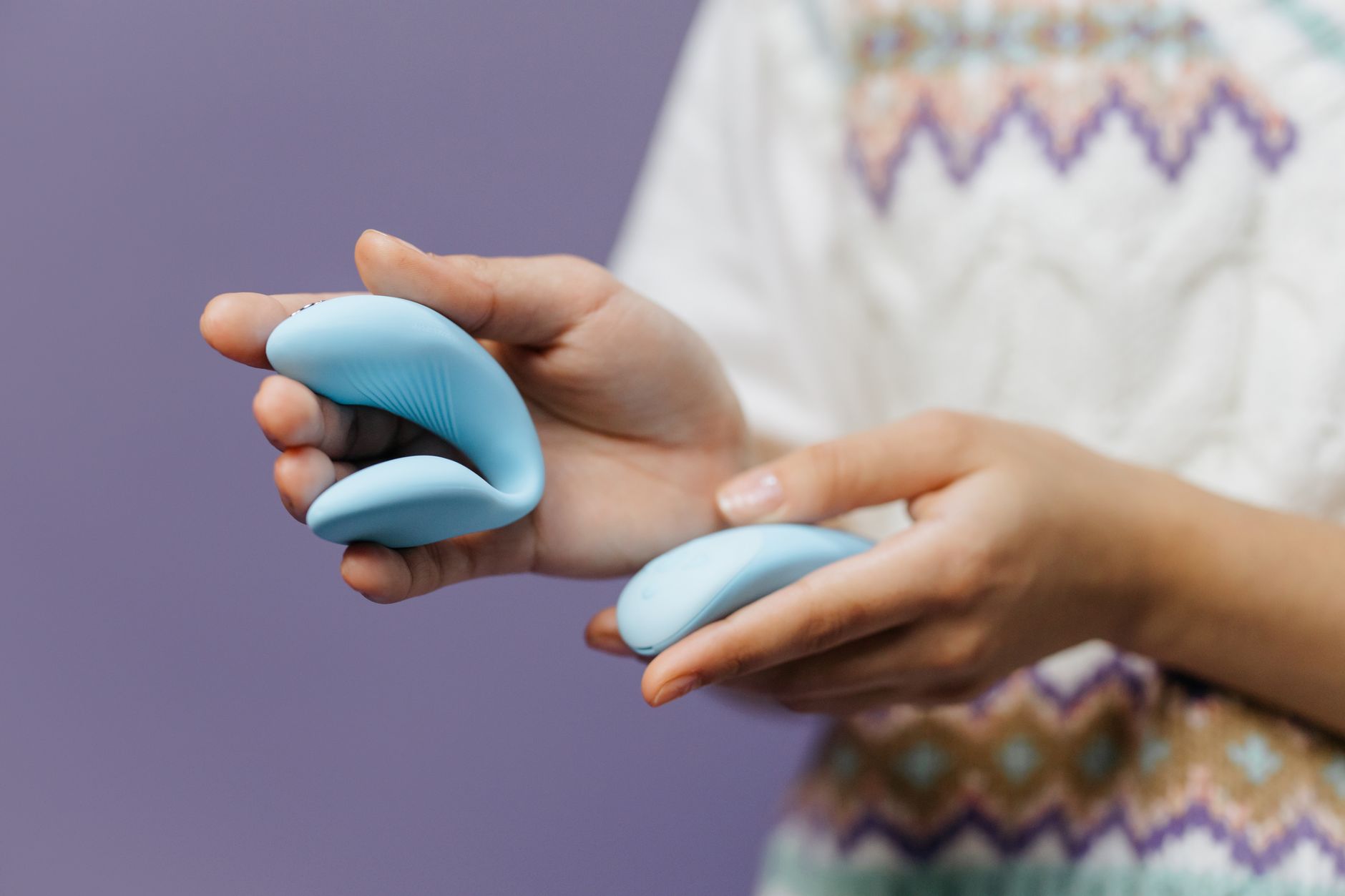
The thing nobody tells you about estrogen and pleasure
Your body is not broken when pleasure feels different week to week. Estrogen doesn't just stay steady—it rises, peaks, dips, and crashes in predictable patterns that reshape how your nervous system responds to stimulation. You're not losing your mind or becoming numb. Your neurochemistry is literally reorganizing itself.
Understanding this changes everything about how you use a lemon vibrator. Instead of fighting the fluctuation, you work with it.
Why estrogen matters more than you think
Estrogen does three critical things for pleasure. First, it thickens vaginal tissue and increases blood flow to the clitoris, which means more sensitivity and faster arousal. Second, it amplifies serotonin and dopamine—the chemicals that make stimulation feel good. Third, it primes your nervous system to respond more readily to sensation.
When estrogen is high, typically in the days leading up to ovulation, you're more easily aroused, orgasms come faster, and intensity feels incredible. When estrogen crashes—right after ovulation and again just before your period—the same vibration intensity can feel duller, slower to build, or even slightly uncomfortable.
This isn't a malfunction. It's your body working exactly as designed.
Tracking your cycle is not extra—it's essential
I recommend every client using a lemon vibrator start with a basic cycle chart. Nothing complicated. Just three columns: date, day of cycle, and sensation notes.
Note what pattern you use on the Lem, how long it takes to reach orgasm, what intensity feels good. Do this for two full cycles. You'll see the pattern emerge.
For most people, weeks one and four of the cycle feel harder to reach climax. Weeks two and three feel easiest. Some people report that week four is when they need specific rhythm changes or longer warm-up time. Others find that their favorite intensity shifts.
This data becomes your personal pleasure map.
The three-pattern adjustment system
Once you understand your cycle, you can pre-adjust how you use your lemon clitoral vibrator rather than troubleshooting in the moment.
In high-estrogen weeks (ovulation window), you can often start with pattern 3 or 4 on the Lem and go higher. Many people find that intensity peaks feel sharper and more satisfying. Orgasms tend to arrive faster. Your warm-up time might shrink to five to ten minutes instead of the usual fifteen.
In moderate-estrogen weeks (late cycle and early follicular), start with pattern 2 and work your way up gradually. Build longer. Think of this as a longer arc rather than a sprint. The journey matters more than the destination.
In low-estrogen weeks (just before your period), pattern 1 or 2 might feel just right. Some people find they need way more warm-up time, almost like starting over from scratch. Others discover that a slower, sustained pressure feels better than pulsing patterns. Experiment within these windows to find your preference.
The key is planning ahead. If you know Tuesday is day twenty-one and you're entering low-estrogen territory, you're already mentally prepped to shift gears.
Lubrication changes with your cycle too
Here's what people get wrong: they think they need lube because something is wrong with them. Actually, lubrication changes naturally across your cycle because estrogen controls vaginal moisture.
In high-estrogen weeks, you might produce more natural lubrication. Some people find they don't need extra lube. Others prefer it anyway because it changes the sensation.
As estrogen drops, the vaginal wall becomes drier. This is normal. Using water-based lubricant isn't a sign of dysfunction—it's you reading your body's signals and responding. Many of my clients find that adding lube in week three shifts the entire experience from what felt like trying harder to what feels like gliding easily.
I recommend keeping your preferred water-based lube within arm's reach always, but being especially intentional about it in the second half of your cycle.
The emotional side of hormonal fluctuation
Fluctuating estrogen doesn't just change sensation. It changes desire, confidence, and how present you feel in your body.
In high-estrogen weeks, many people report feeling more sexually confident, more willing to explore, more in their body. Use that. That's your window for trying new patterns on the Lem, exploring different positions, or longer solo sessions if that appeals to you.
As estrogen drops, some people experience a dip in sexual interest alongside the physical changes. This is not laziness or loss of attraction. It's biology. The compassionate move is to adjust your expectations rather than push through. Maybe week three is when you prioritize other kinds of intimacy with a partner. Maybe it's when you focus on slower, sensual solo time rather than performance-oriented sessions.
If you have a partner, sharing your cycle awareness with them changes the dynamic. You're not saying "I don't want you this week." You're saying "My body works differently this week and here's how I want to approach it." That honesty builds trust and actually deepens intimacy.
When to use a lemon sucker specifically
The Lem's suction mechanism works beautifully across your entire cycle, but it shines in different ways depending on hormone levels.
During high-estrogen weeks, the suction amplifies sensation in ways that feel intense and direct. The pulsing patterns build quickly. Many people find they can layer multiple sensations—suction plus patterns plus manual stimulation—without it feeling overwhelming.
During lower-estrogen weeks, start with gentler suction intensities. The Lem's lighter settings become your friend. Some people find that suction alone, without patterns, feels perfect—steady pressure without the extra complexity. You're not turning down the vibrator itself. You're matching its intensity to your body's current wiring.
Building a sustainable practice
The mistake most people make is expecting consistency week to week when consistency doesn't exist with fluctuating hormones.
Instead, build flexibility into your practice. Keep a simple note about what worked this week. Know that next Tuesday is probably going to feel different. Plan for that. Stop interpreting different as broken.
Many of my clients find that once they sync their approach to their cycle, they stop resenting the changes. The Lem becomes a tool you're using intelligently, not a thing that stopped working.
FAQ on estrogen, cycles, and your lemon vibrator
How long does it take to see a pattern in my cycle data?
Typically two full cycles. You need enough data points to separate anomalies from real patterns. If you had an unusually stressful week or didn't sleep enough, that might skew week three's results. By month two, the genuine rhythm emerges. Track it anyway in month one—you'll feel more confident reading the pattern when it appears.
Can I use the Lem the same way every day or do I have to adjust?
You can use it the same way every day if that's what works for you. But if you notice pleasure feels inconsistent, cycle tracking solves that mystery. The adjustment takes zero extra time once you know your pattern. It's just switching from pattern 3 to pattern 2. Total time investment to adjust: ten seconds.
What if my cycle is irregular? Can I still track this?
Yes, and actually you should even more. Irregular cycles mean estrogen fluctuation is less predictable, which makes it even more useful to notice when sensations shift. Track anyway. You might notice patterns you didn't expect—like your body responding best on certain calendar dates regardless of where you are in your cycle. Irregular is just more individualized, not broken.
Does birth control change how to use a lemon vibrator?
Yes. Hormonal birth control stabilizes estrogen, so you should experience much more consistency week to week. You might still notice subtle shifts, but they'll be gentler. Some people on birth control find they can stick with one Lem pattern all month. Others notice micro-fluctuations even with stable hormones. Track for a few weeks and you'll know what your body does.
Can hormonal changes affect orgasm intensity or whether I can come at all?
Absolutely. Lower estrogen can make orgasms harder to reach and less intense. That's not a sign the Lem stopped working. It's a sign your nervous system is in a different state. Adding lube, extending warm-up time, shifting from patterns to sustained pressure, or trying suction-only mode often solves this within that cycle window. It's temporary, not permanent.
Should I talk to my doctor about cycle-related changes in arousal?
If the changes are severe—like complete loss of sensation or pain—yes. That's worth mentioning to your gynecologist. But normal fluctuation in arousal ease and intensity across your cycle is not a medical problem. It's normal endocrinology. Your doctor might appreciate knowing you're tracking this, but you don't need permission to adjust how you use your lemon vibrator based on where you are in your cycle.
The real skill is listening to your body
You already know your body better than anyone. Estrogen fluctuation isn't a mystery you need to solve. It's a pattern you can observe and work with using a tool like the Lem that's sensitive enough to feel those shifts.
Start tracking. Notice what changes. Adjust your approach. That's not complicated—it's smart self-awareness.
If you're struggling with arousal consistency or want more personalized guidance on how to make these adjustments stick, reach out to Nancy's Lem Shop. We're here to help you understand your body and enjoy your pleasure on your terms.