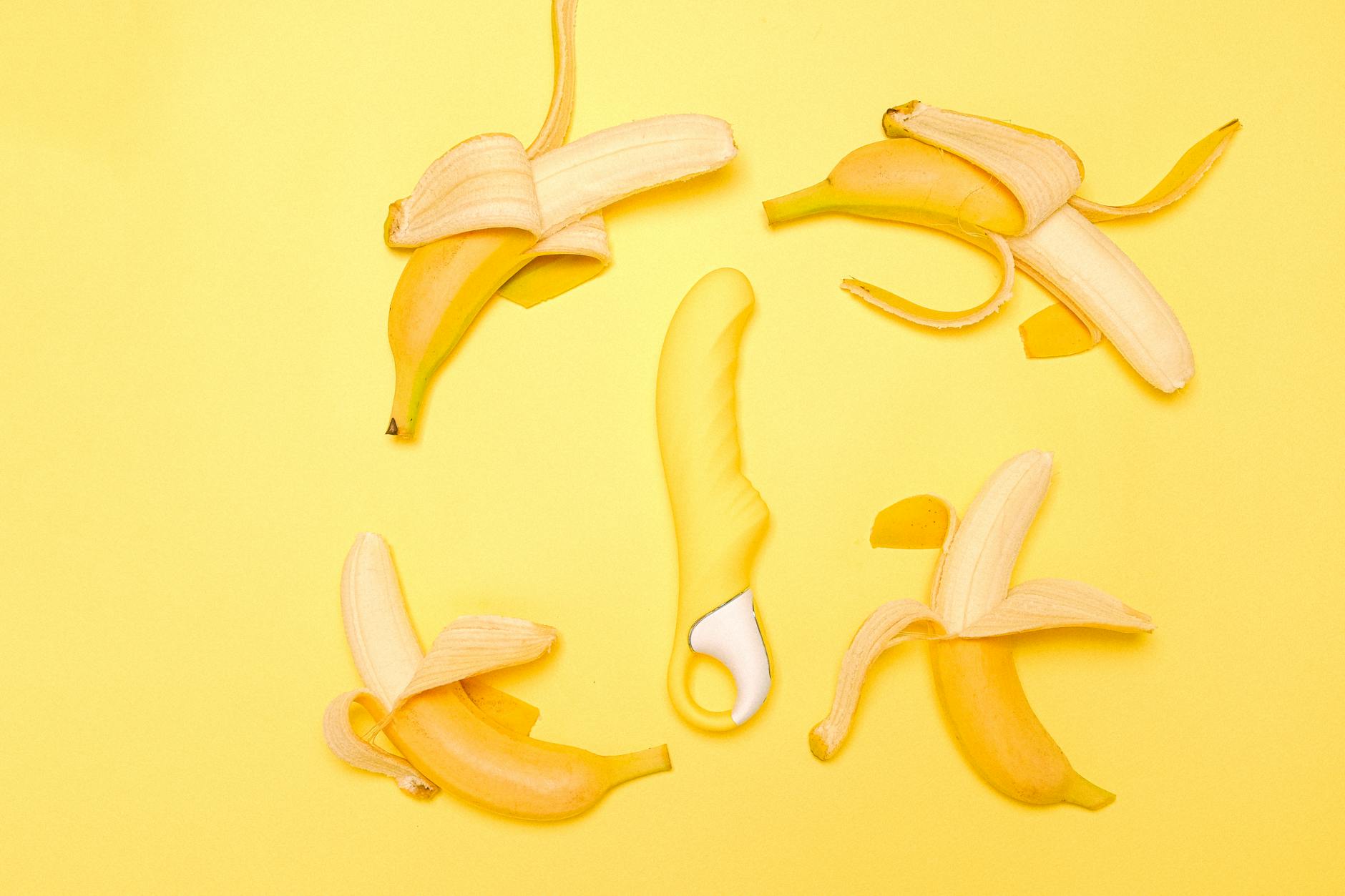
When grief kills arousal, nobody warns you
Let's be real. Nobody talks about what grief does to sex drive, but it's one of the most common relationship casualties after loss. You lose a parent, a job, a friendship, a home. Your partner reaches for you at night and you feel absolutely nothing. Not rejection, not anger. Just flatness. A kind of emotional static where desire used to be.
You're not broken. Your body is doing exactly what it's supposed to do when the nervous system perceives threat and loss. Arousal requires safety, presence, and a certain amount of psychological permission to feel good. Grief revokes all three.
What grief actually does to your nervous system
Grief activates your parasympathetic nervous system in a particular way.that locks you into a protective, conserving state. Your brain is literally telling your body: don't use energy on pleasure, use it on survival and processing. Blood flow redirects. Cortisol spikes. Oxytocin (the bonding hormone that usually primes arousal) drops. The clitoris, which depends on blood flow and nervous system activation to respond, becomes less reactive.
Most people interpret this as loss of desire. What it actually is: a temporary neurological reallocation. Your body isn't telling you that pleasure is wrong. It's telling you that it doesn't have the emotional bandwidth right now.
The timeline matters here too. If it's been two weeks, expect this. If it's been six months and nothing has shifted, you might benefit from talking to a therapist who specializes in grief and somatic experience. The clitoral vibrators at Nancy's Lem Shop, like the Lem vibrator itself, can be tools for reconnection, but they're not substitutes for processing the actual loss.
Why standard advice doesn't work for grief-numbed arousal
"Just relax and let it happen" doesn't apply when your brain is in active threat response. "Try some foreplay" assumes you have the emotional resources to be present for physical touch. "Use more lube" treats a grief-arousal issue like a mechanical one.
What actually helps is permission to feel nothing, combined with very low-pressure tools that don't demand reciprocity, performance, or presence. A lemon clitoral vibrator works here because it's self-directed, nonverbal, and doesn't require you to be "into it" for it to function.
The goal isn't orgasm. It's not even arousal, necessarily. It's reconnection with the knowledge that your body can still feel sensation without guilt.
How to approach this without pressure
Start by removing the expectation entirely. Tell your partner (if you have one) that you're experimenting with solo pleasure as part of your grief process, and that it has nothing to do with them or your relationship. This prevents the other person from misinterpreting your exploration as rejection or a symptom of distance.
Set aside time when you're alone and won't be interrupted. Not when you're exhausted, not when you have twelve things on your to-do list. Twenty minutes when the house is quiet and you don't have to perform anything for anyone.
Start with your Lem vibrator on the lowest setting. The suction pattern of a lemon clitoral vibrator is different from traditional vibration. It creates a gentler, more consistent sensation that can feel less jarring to a nervous system that's in protective mode. You're not trying to reach climax. You're literally just reintroducing sensation.
If nothing happens in those twenty minutes, that's fine. Your nervous system is still learning that pleasure is safe again. Consistency matters more than intensity here.
When numbness doesn't budge
Sometimes grief goes deeper. You use a lemon vibrator, your body physically responds, but emotionally you still feel dead inside. That disconnect is real and worth naming.
This is the moment to ask yourself: am I depressed, or am I grieving? Depression and grief look similar from the outside, but they require different responses. Grief needs space to be felt. Depression needs clinical intervention. If it's been months and you're numb across multiple areas of your life (food, sleep, joy, connection), not just sex, talk to a therapist or your doctor.
If it's pure grief, keep using the tool. Your clitoris doesn't care that your heart is broken. It will respond when your nervous system decides it's safe again, and that often happens through consistent, low-pressure exposure.
Rebuilding intimacy with a partner after loss
If you're grieving with a partner, the best thing you can do isn't immediately return to sex. It's rebuild presence together first.
This might mean sitting in bed together without pressure, with your Lem vibrator available but not required. Some people find that having the tool visible in the room changes the energy. It says: pleasure is still an option. We're not broken. We're just going at a different pace.
You might use it while your partner is present, without any expectation of it leading anywhere. Or you might use it alone and just talk about it afterward. Different couples find different pathways back.
What doesn't work is pretending the numbness isn't there and forcing sex "for the relationship." That usually drives the numb person deeper into disconnection.
The guilt piece (and how to release it)
Here's what I see most often in my practice: people feel guilty that grief has turned them into someone who doesn't want their partner anymore. They think using a lemon clitoral vibrator or exploring solo pleasure means they're being selfish or disloyal to the loss.
The opposite is true. Pleasure is an act of claiming your own aliveness. When you're grieving, that's radical. That's permission to still exist as a full person, not just someone managing loss.
Your partner would rather have a version of you that's reconnecting with pleasure than a version that's performing desire out of obligation.
When to bring your partner in
There's a natural moment when grief starts to soften, usually around three to six months in (though every loss is different). That's when some people become curious about shared pleasure again.
If that's happening for you, you might invite your partner to watch while you use your Lem vibrator, or to be in the room while you explore. You're not performing for them. You're showing them that you're beginning to reconnect. That often feels safer than jumping back into partnered sex.
Other people find that grief creates an opening for a different kind of intimacy. Maybe you're not interested in penetrative sex for a while, but you are interested in touch. Maybe you want oral sex but not the full performance of sex. Honor those shifts. They're not temporary. They're grief teaching you what you actually need.
The long view
Grief doesn't follow a linear path, and neither does your return to pleasure. You might have a good week, reconnect with arousal, then have the loss hit you again and feel flattened. That's not failure. That's how grief works.
Keep your Lem vibrator in a place where it's easy to find, but not where you have to think about it constantly. Let it be a tool you turn to when you're ready, not a symbol of what you're still working toward.
And know that eventually.most people do return to pleasure, often with more intention and less performance than before. Grief has a way of stripping away what doesn't actually matter and teaching you what does.
Frequently asked questions
Can grief permanently kill sex drive? No. Grief is a temporary neurological state, not a personality change. Your body will return to capacity for arousal, though the timeline is different for everyone. Clinical depression can feel like permanent numbness, which is why it's worth distinguishing between the two.
Should I use a lemon vibrator solo or with my partner first? Solo is usually better when grief is active. It removes performance pressure and lets you reconnect with sensation at your own pace. Partner use can come later, when you're ready.
Does it matter which lemon vibrator I use? The Lem vibrator is designed with suction technology that can feel gentler than traditional vibration, which many people find easier to tolerate when their nervous system is in protective mode. But any clitoral vibrator you already own will work. It's less about the tool and more about giving yourself permission to use it.
What if I feel guilty using a vibrator while grieving? That guilt usually comes from a belief that pleasure is disloyal to the loss. It's not. Pleasure is you claiming your right to still be alive and to feel good, which is exactly what grieving people need.
How long does it usually take to reconnect with arousal? For grief-induced numbness, most people see shifts within three to six months, especially if they're actively processing the loss. If nothing has shifted by six months and numbness extends to other areas of life, talk to a professional.
Can my partner help me reconnect with pleasure faster? Not really. Your partner's presence can support reconnection, but they can't force it. The most helpful thing a partner can do is give you space, remove pressure, and reassure you that they're not going anywhere while you grieve.