The thing about long-term disconnection
It starts quietly. Not with a fight or an affair or any dramatic rupture. Sex becomes less frequent. Touching disappears except during sex itself. You stop kissing hello and goodbye. One of you mentions it once, vaguely, and then you both let it drop because addressing it feels scarier than the silence.
This is one of the most common relationship patterns I see in my practice. Not "we're unhappy" but "we've become roommates who share a bed."
The weird part: disconnection doesn't usually mean you've fallen out of love. It means you've both stopped extending the invitation.
Why physical distance sneaks up
After five, ten, twenty years together, physical intimacy often stops being a priority and starts being a task. You're managing work, kids, aging parents, health stuff. By the time you get into bed, you're exhausted. Sex feels like another thing on the to-do list. So you skip it. Then you skip it more. Then the thought of initiating sex becomes anxiety-inducing because it's been three months and you don't know how to restart the conversation.
At the same time, you're both missing touch. This is the cruel part: you want it, they want it, but nobody moves first. So the distance calcifies.
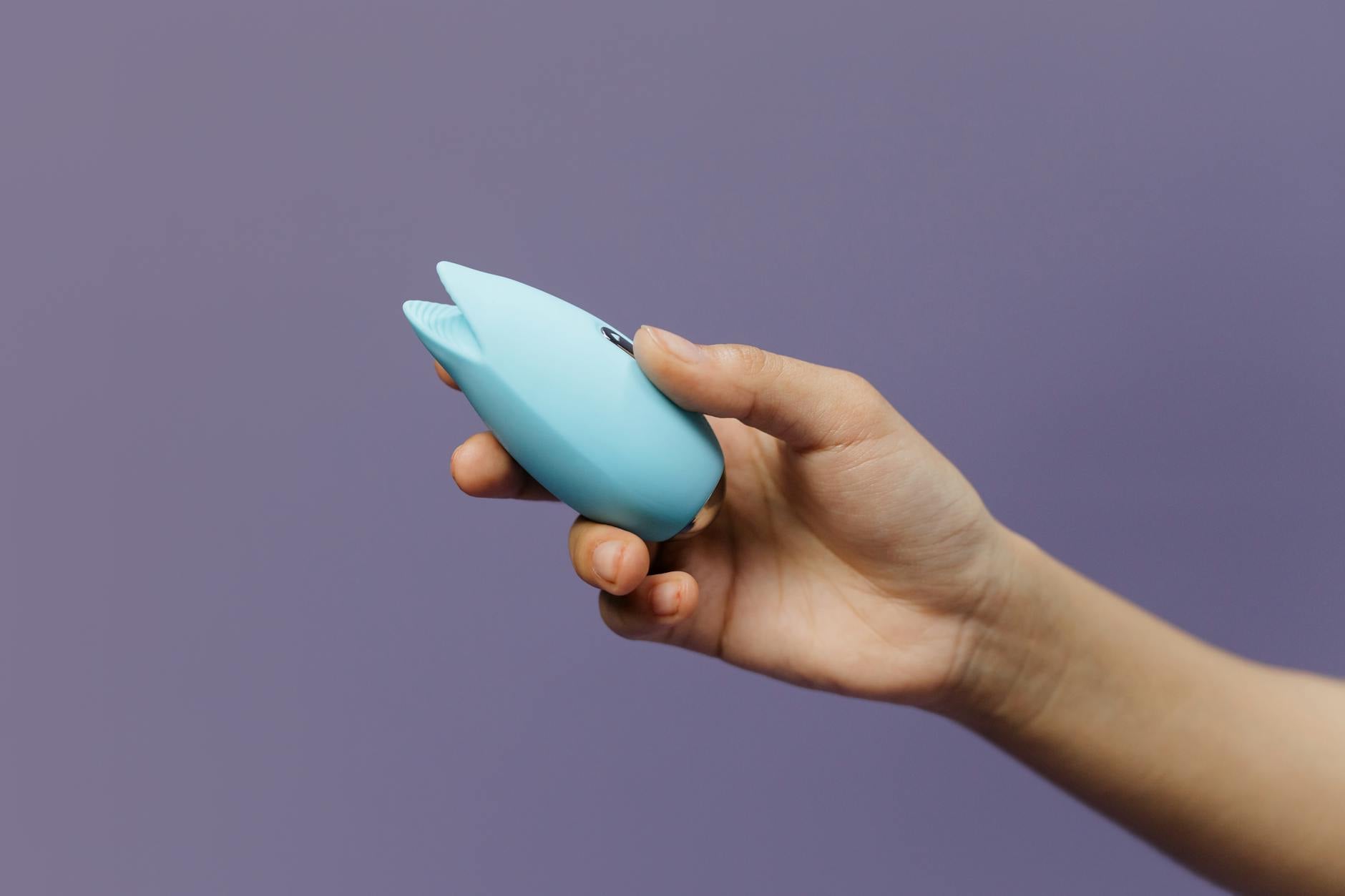
Here's what I tell couples: reconnecting isn't about forcing yourselves to have more sex. It's about rebuilding the physical confidence to want it together again. A lemon clitoral vibrator can be the gateway to that, but only if you use it right.
The lemon vibrator as a reconnection tool, not a band-aid
Let me be clear about what a lemon vibrator isn't: it's not a substitute for talking. You can't orgasm your way out of emotional distance. That doesn't work.
What a lemon vibrator IS: a way to remind your body that sensation and pleasure still feel good. When you've been touch-starved for months, physical pleasure can feel foreign or even unsafe. Your nervous system gets confused. You might feel guilty about wanting it. You might have forgotten how to ask for it.
Using a lemon sucker (as some people call the Lem) solo first is essential. This isn't about hiding it. It's about rebuilding a relationship with your own pleasure before you bring it into partnered space. When you use a clitoral vibrator alone, you're reminding your body: "I deserve this. Pleasure is mine."
Once you feel that again, inviting a partner in becomes possible instead of terrifying.
How to start: the solo foundation
Before you even mention a lemon vibrator to your partner, spend two weeks using it alone. Not secretly. Just privately. Set aside 20 minutes three times a week when you know you won't be interrupted.
Start on the gentlest setting. The Lem has different intensity levels, and after months without pleasure, your body might feel hypersensitive or weirdly numb at the same time. Let yourself explore what feels good right now, not what felt good five years ago. Your body has changed.
Notice what happens: Do you feel guilty? Does your mind wander? Does pleasure build easily or do you have to coax it? None of this is wrong. You're gathering data about what your body needs.
Many people in long-term relationships tell me that solo pleasure feels selfish. It's not. It's maintenance. You wouldn't expect your car to run well if you never serviced it. Your nervous system is the same.
The conversation: how to bring it into partnered space
This is where people usually get stuck.
Don't lead with "I bought us a vibrator." Lead with honesty. Something like: "I've missed being close to you. I know we both have. I'm not sure how to restart that conversation because it feels awkward after this long. But I don't want to stay like this."
Then, separately, you can say: "I've been thinking about ways we could rebuild touch that don't feel pressured. I picked up a lemon vibrator. I know that might feel weird, but would you be open to trying something together that feels lower stakes than regular sex?"
Lower stakes is crucial. If your partner thinks the vibrator is a replacement for them or a critique of their performance, they'll defend. If they understand it's a tool to help you both feel pleasure again, they're more likely to engage.
Using it together: three scenarios
Scenario 1: You use it while they watch
This is the smallest step. You're not asking them to do anything except be present. You're demonstrating that you want pleasure. You're inviting them into that.
Start clothed, if that helps. Build to whatever feels right. The point isn't performance. The point is: "I want you to see that I want this. And I want you here."
After, talk about it. Not the physical sensations necessarily, but the emotional ones. Did you feel safer? Did they feel closer to you? Did anything surprise either of you?
Scenario 2: They stimulate you with the vibrator
This requires more vulnerability because you're explicitly asking them to touch you toward pleasure. For couples who've been disconnected, this can feel terrifying. You might worry: Will they get it right? Will it feel awkward? Will I be able to come?
Say that out loud. "I'm nervous about this. Not about you. About being vulnerable about what I want." That honesty opens the door.
Start with guidance. "Slower here," or "A bit higher." Many partners in disconnected relationships are actually desperate for permission to touch. They're waiting for an invitation. Give it.
Scenario 3: You both use it during partnered sex
This is the full integration. The lemon vibrator helps you reach orgasm while your partner is involved, whether that's intercourse, manual stimulation, or just presence.
For people who've been touch-starved, orgasm can feel impossible at first. Your body doesn't trust that pleasure is allowed. The vibrator helps bypass that block. You come. Your nervous system remembers: this is possible. Your partner sees you pleasure yourself. That's a profound shift.
What actually changes when you do this
After two or three weeks of regular use, both solo and partnered, most couples report:
Touching outside the bedroom returns. A hand on a shoulder. A kiss when someone comes home. These small contacts rebuild the neural pathways for affection. They become invitations to more.
Sex becomes less scary. Once you've both seen that pleasure is still available to you, initiating sex stops feeling like a failure or a demand. It feels like an option.
Emotional closeness deepens. This seems backwards. But when you allow your partner to witness your pleasure, you're allowing them to witness a vulnerable part of yourself. That builds intimacy faster than years of dutiful touching.
The vibrator becomes less necessary. I know that sounds odd. But many couples tell me that after they rebuild the habit of touch through the lemon vibrator, they don't need it as often. The point was never the vibrator. The point was remembering how to want each other.
The thing you need to know
Touching someone after you've been distant is awkward. Using a vibrator together when you haven't had good sex in months is vulnerable. There will be moments where you both want to retreat.
Do it anyway. Not because it will magically fix your relationship. But because your nervous system needs to remember that physical closeness is safe. And your partner needs to know that you want them. That you're willing to be uncomfortable to get back.
Most long-term relationships don't fail because of lack of passion. They fail because one person stops trying. You're reading this, which means you haven't stopped trying. That matters more than any lemon vibrator.
But the vibrator helps. Use it.
FAQ
What if my partner thinks a vibrator means I'm unsatisfied with them?
Bring it up directly. "This isn't about you not being enough. It's about us rebuilding a rhythm together. A lemon clitoral vibrator is a tool, like lube. It helps, not because you're failing, but because our bodies need help reconnecting." If they're still defensive, that's often a signal that there's deeper work needed around feeling secure in the relationship. That might mean a couples therapist, separate from the vibrator conversation.
How do I know if we're actually disconnected or just going through a phase?
If it's been more than two months without sex and you're both not talking about it, you're disconnected. If the disconnection has been happening for a year or longer, the neural pathways for desire have actually atrophied. A vibrator helps rebuild them, but it's not a replacement for addressing the underlying distance.
Can using a vibrator together fix a relationship that's broken in other ways?
No. A lemon vibrator is a tool for rebuilding physical intimacy. If the relationship is broken because of infidelity, abuse, or profound incompatibility, a vibrator won't fix that. It might even deepen resentment if the other issues aren't being addressed. Get couples therapy first if there's more than just distance.
What if I orgasm from the vibrator but not from my partner?
This is incredibly common and not a failure. Your body is simply more responsive to the specific stimulation of a clitoral vibrator. That doesn't mean your partner can't help you reach orgasm. Often, combining partnered stimulation with the vibrator (as described in scenario 3) helps your nervous system integrate pleasure from both sources. It takes practice and communication.
Is it normal to feel guilty when using a vibrator together?
Yes. Especially if you were raised with messaging that sex should be "natural" or that using tools means something's wrong. Guilt often blocks pleasure. Notice it, say it out loud to your partner if you can, and keep going anyway. Guilt softens with repetition.
How often should we use a lemon vibrator if we're trying to reconnect?
Start with twice a week. Not because there's a magic number, but because consistency rebuilds nervous system safety. After six weeks of regular use, you'll likely notice you're initiating touch more naturally. Then you can scale back if you want, or keep going. Let your desire guide you.