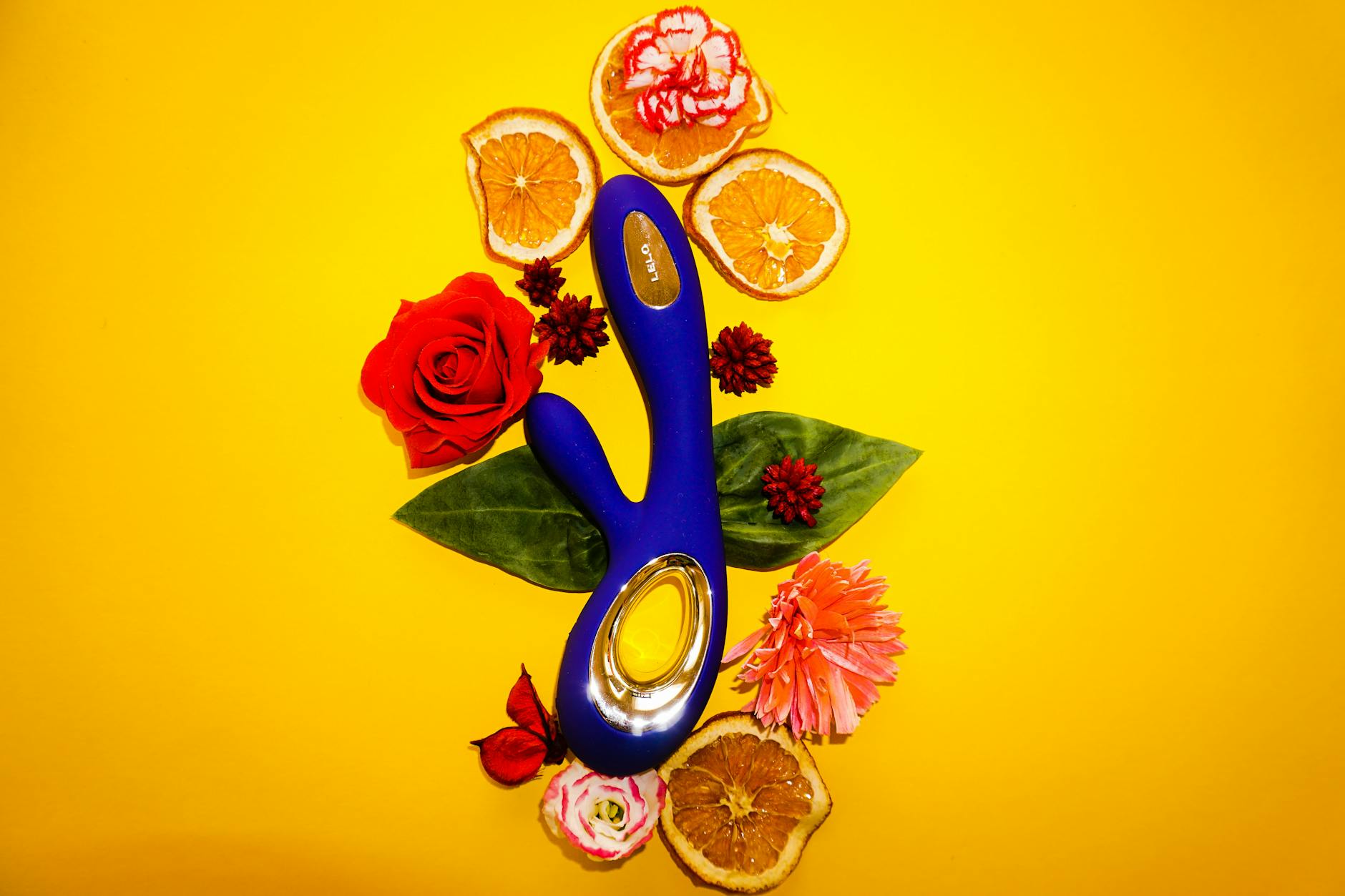
How to Use a Lemon Vibrator When Intercourse Causes Pain or Discomfort
Let's be real: if intercourse hurts, the last thing anyone wants to hear is "just push through it." Your body is sending a signal. The good news is that signal doesn't mean the end of your sex life. It means you need different options.
A lemon clitoral vibrator is one of those options. Not as a consolation prize, but as a full, legitimate path to pleasure that doesn't require penetration at all. For some people, this becomes their preferred experience. For others, it's the bridge back to a place where penetration becomes comfortable again. Either way, you're in control.
Why intercourse hurts (and why a lemon vibrator changes the equation)
Painful intercourse, clinically called dyspareunia, has multiple possible causes: vaginal dryness from hormonal shifts, pelvic floor tension, scar tissue from childbirth or surgery, endometriosis, infections, or even psychological factors like anxiety around sex. Sometimes it's physical. Sometimes it's emotional. Often it's both tangled together.
Here's what matters for this conversation: penetration requires depth, movement, and friction. A lemon vibrator requires none of those things. It works through gentle suction and targeted stimulation of the clitoris, which sits externally and doesn't demand the same kind of tissue engagement as the vaginal canal. You can control intensity, angle, and pressure completely.
Many people with penetration pain report that external stimulation through a lemon clitoral vibrator feels safer, more predictable, and honestly more pleasurable. Your nervous system isn't bracing for pain. Your attention can stay on sensation instead of fear.
The mental shift that matters most
Before we talk about technique, I want to name something I see in couples therapy regularly: painful intercourse often creates a cycle of avoidance, guilt, and resentment. One partner stops initiating because they're afraid of pain. The other partner feels rejected. Then both partners start thinking of sex as something one person endures for the other. That's a dead end.
Swapping intercourse for a lemon vibrator (solo or with a partner) breaks that pattern immediately. It's not a workaround. It's an actual shift in how you're defining sex together. The message becomes: "Your pleasure matters. My comfort matters. Let's find what works for both of us."
That shift alone often improves desire, connection, and frequency more than anything else.
How to start using a lemon vibrator when pain is part of your history
First, if you haven't already, talk to a healthcare provider. Some causes of painful intercourse are highly treatable (yeast infections, hormonal imbalances, muscle tension). Others benefit from pelvic floor therapy. You want to know what you're working with.
Then, take the pressure completely off. The first time you use a lemon vibrator, the goal isn't orgasm. The goal is to remember that your body can feel good without fear. That matters more than you think.
Start in a quiet, comfortable space. No audience, no agenda, just you and time. Use the lowest setting on the lemon vibrator. Let it hover near the clitoris without direct contact at first. Notice what feels like anything. It doesn't have to feel like fireworks. Small warmth, gentle tingling, anything pleasant is a win.
Over several sessions, gradually increase pressure. Move to pattern 2, then 3. Take weeks if you need to. Your nervous system is learning that external stimulation can feel good, which is new information if you've been associating genital touch with pain.
When to bring a partner into the picture
If you have a partner, there are two conversations happening: one about your body's signals, and one about the relationship. Don't jam them together.
First, use the lemon vibrator solo until you feel genuinely comfortable and know what intensity levels work. This isn't selfish. You're building confidence and data. You need to know what feels good before you can guide someone else toward it.
When you do involve your partner, frame it clearly: "I want to explore this together because I want us to have good sex. This isn't about you. It's about what my body needs right now." A partner who loves you will be relieved to have a solution. If they react with shame or resistance, that's information too. It's worth addressing separately from the sex part.
With a partner present, the lemon vibrator can work in several ways. They can hold it and apply it while you give feedback on speed and angle. You can use it on yourself while they touch you elsewhere (hands, lips, body). You can use it while they're inside you, which sometimes feels safer because you're controlling the main source of stimulation and they're more passive.
Intensity and patience: the rhythm that works
One thing I notice with people returning to pleasure after pain: they often want to skip ahead to intense sensation as proof that everything's fixed. I'd gently push back on that.
The lemon vibrator's real power is in lower intensities. Patterns 1 and 2 stimulate the clitoral nerve endings without overwhelming your nervous system. You get to feel nuance. You can notice what you actually enjoy instead of just chasing orgasm as a finish line.
Don't rush to "bigger is better." Sometimes the most powerful orgasms come from sustained, medium-low stimulation over 15 to 20 minutes. Your body gets to relax into it.
Pain creates holding patterns in your nervous system. It takes time to unlearn those. A lemon vibrator, used gently and repeatedly in safe contexts, retrains your brain that genital touch equals pleasure, not threat. That's the real work. The orgasms are a nice side effect.
What to do if discomfort still appears
If you use a lemon clitoral vibrator and still feel pain or discomfort, that's a signal to pause and investigate. Is it sharp pain, dull ache, or pressure? Is it immediately or after a few minutes? Does it change with intensity level?
Document this. Then talk to a pelvic floor physical therapist. They're specialists in this and often catch things standard gynecologists miss. Sometimes pain is coming from tight muscles, sometimes from scar tissue, sometimes from nerve sensitivity. The fix depends on the cause.
Meanwhile, you can experiment with where the vibrator sits. Some people find that slightly off-center feels better. Some need to avoid direct contact and use the suction pattern instead. Some need to use it through underwear to diffuse the sensation. There's no one right way. Your body will tell you.
Building a path back to what you want
If intercourse was important to you and pain made it impossible, a lemon vibrator can be a bridge. Some people use it exclusively and never return to penetration. That's completely fine. Others use it as foreplay, then transition to intercourse once they're aroused and more relaxed. Others use it afterward, which can feel better on their body's timeline.
The key is that you're in charge. You're not managing someone else's disappointment or pushing through discomfort because you think you should. You're making active choices about your own pleasure.
That matters more for long-term sexual health than almost anything else. People who feel agency over their own bodies, who know what they like, who can say no without guilt and yes without fear, those people have better sex lives and healthier relationships. Full stop.
People Also Ask
Can I use a lemon vibrator if I have endometriosis?
Yes. In fact, many people with endometriosis prefer external clitoral stimulation because it avoids the deep pelvic pressure that can trigger pain. A lemon clitoral vibrator lets you experience pleasure on your terms. That said, some people with endo find their pain fluctuates with their cycle, so you might notice certain days feel better than others. Track what you notice and use that to guide when and how you engage.
Will using a lemon vibrator make penetration worse or better?
Neither inherently. What matters is what happens in your nervous system. If using a lemon vibrator helps you experience pleasure and feel less fear around genital touch, that usually translates to more relaxation during penetration, which can reduce pain. But the vibrator itself isn't a treatment. It's a tool that removes the pressure to do penetration if you're not ready.
Is it weird to only use a lemon vibrator and not want intercourse?
No. Many people find that clitoral stimulation, whether solo or with a partner, is how their body works best. That's not a problem to fix. It's just your body's honest preference. The weirdness only shows up when you're trying to force yourself into a sexual pattern that doesn't match your actual physiology.
Can my partner use the lemon vibrator on me if they've never used one before?
Absolutely. Start with the lowest intensity and let them know what you're feeling as they go. Guide their hand or give feedback on speed and pattern. Some partners are nervous about "getting it wrong," so giving clear instructions actually makes them feel more confident. You might say something like: "Start at pattern 1 and hold it here for 30 seconds, then slowly move it slightly to the left." That takes the guesswork out and makes it collaborative.
What if the lemon vibrator feels too intense even on the lowest setting?
You have options. Some people use it through a layer of underwear or a thin piece of fabric to diffuse the sensation. Others hold it slightly away from direct contact and let the air pulse do the work. You can also try the suction patterns at lower intensity levels, which feel different from the vibration patterns. If nothing feels right, that might be a sign that your nervous system needs more time to heal before external stimulation feels good. That's okay. You can revisit in a few weeks.
How long does it usually take to feel comfortable with a lemon vibrator after painful intercourse?
It varies widely. Some people feel a shift in one or two sessions. Others take weeks or months. The timeline depends on how long you've been experiencing pain, what caused it, and what your nervous system needs to feel safe. Patience actually works in your favor here. Slow progress that sticks is better than fast progress that creates new anxiety.
The path forward
Painful intercourse is common. You're not alone, and it's not permanent unless you want it to be. A lemon clitoral vibrator removes the pressure to perform a sexual act that doesn't work for your body right now. It restores agency. It rebuilds the neural pathways between your body and pleasure.
That's everything. Start low, go slow, and let your body tell you what it needs. Your pleasure is the point. Everything else is just logistics.
If you want to talk through your specific situation with someone trained in how pain and relationships intersect, reach out to Nancy's Lem Shop. We're here to help you feel good.