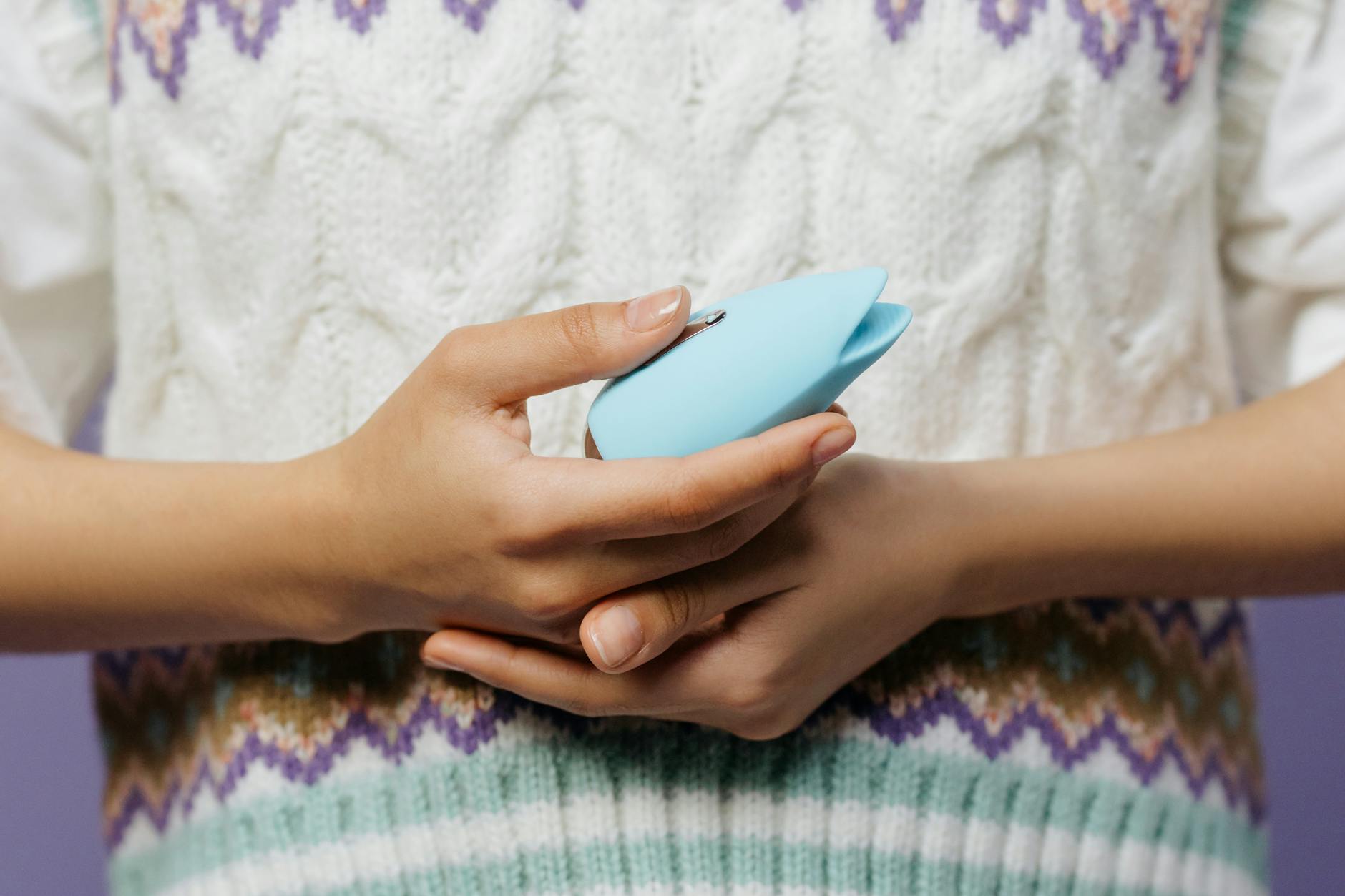
How to Use a Lemon Vibrator When Recovering From Pelvic Floor Dysfunction
Pelvic floor tension doesn't have to mean the end of pleasure. Here's how to use a lemon sucker safely during recovery and what your physical therapist won't tell you.
Let's be real: pelvic floor dysfunction is lonely. The pain or tension makes sex uncomfortable. Your doctor tells you to rest. Your partner doesn't understand why touch feels threatening. And somewhere in that mess, the message gets scrambled into "pleasure is not for you right now." It's not true.
Pelvic floor dysfunction doesn't mean your clitoris stops working. It means your pelvic floor muscles are either clenched too tight or too weak to support arousal the way they used to. That's a solvable problem. And yes, a lemon clitoral vibrator can absolutely be part of the solution.
I work with couples navigating this every month. The ones who recover fastest and with the most satisfying outcomes are the ones who don't wait until "everything is fixed" to reconnect with pleasure. They adapt, they pace themselves, and they use the right tools.
Your pelvic floor is a hammock of muscles stretching from your pubic bone to your tailbone. When these muscles are too tight (hypertonic), they can't relax into arousal. When they're too weak (hypotonic), they can't generate the sensation and grip that makes orgasm feel sharp and focused. Either way, pleasure gets muted.
Here's what makes this tricky: tension in the pelvic floor often comes from avoiding sensation altogether. You get tense. You avoid sex. You get more tense. It becomes a cycle that's hard to break without intentional input.
A lemon vibrator—with its suction-based stimulation—works differently than traditional vibration. Instead of relying on the pelvic floor to grip and release, suction pulls blood into the clitoris and creates sensation without requiring your pelvic floor to do much work. That makes it one of the safest tools during recovery.
Start micro. Seriously micro. If you've been avoiding sensation because of pain or dysfunction, your nervous system is primed to reject stimulation as dangerous. Your job is to retrain it.
Week 1-2: External awareness only. Spend 5-10 minutes with your lemon vibrator off, just holding it against your vulva or pubic mound. No pattern. No intensity. Just presence. Your nervous system needs to know that touch doesn't mean pain.
Week 3: Lowest pattern, shortest duration. Turn the Lem to pattern 1 (the gentlest suction rhythm) for no more than 2-3 minutes. Afterward, rest for at least 20 minutes before any other activity. If that feels good and pain-free, you can repeat the next day.
Week 4-5: Extend duration, stay on low. Move to 5-7 minutes if week 3 felt okay. Still pattern 1. Still one session per day, maximum. This is when you're teaching your pelvic floor that sensation is safe and manageable.
Week 6+: Increase intensity gradually. Move to pattern 2 or 3, still keeping sessions to 5-10 minutes. If numbness or tension shows up, dial back to the previous week's protocol.
This isn't fast. It's not supposed to be. You're rewiring your nervous system's relationship to pleasure.
Gripping or bearing down. When people use a lemon vibrator, they often unconsciously tighten their pelvic floor muscles to "help" sensation build. With dysfunction, this is exactly backward. You need relaxation, not tension. If you notice yourself clenching, pause. Breathe. Let your muscles soften.
Chasing orgasm. This is the biggest trap. Your brain says "I used to come in five minutes, why can't I now?" and you push harder, stay on longer, or jump to higher intensities. None of that works when your pelvic floor is dysregulated. The goal during recovery is sensation, not outcome. Let the orgasm show up if it wants to. If it doesn't, that's still a win.
Expecting your partner to "just know" what's changed. Communication is not romantic, but it's essential. Tell your partner you're using a lemon vibrator as part of recovery and that you need them to be patient with timing and sensation. If you don't, they'll interpret slower arousal or different responses as rejection.
Pelvic floor dysfunction often comes with changes in blood flow and lubrication. Your tissue might feel dryer or less sensitive than before. Some lemon vibrators are designed to work with moisture, and some work better dry—check your specific product guidelines.
Water-based lubricant is your friend here. Not because something is wrong with you, but because it reduces the friction between the Lem and your tissue, making the suction feel more comfortable and allowing you to session longer without irritation. Apply a small amount before each use. You can reapply mid-session if needed.
If you're seeing a pelvic floor physical therapist (which you should be for pelvic floor dysfunction), tell them you're using a lemon sucker. A good PT will help you understand your specific dysfunction pattern—are you clenching, or is it weakness—and adjust your vibrator protocol accordingly.
If you haven't seen a specialist yet, this is the moment. Pelvic floor physical therapy combined with slow, intentional vibrator use produces faster recovery than either alone. You're essentially giving your nervous system two different signals that pleasure and safety go together.
Pelvic floor dysfunction often arrives with shame. Your body isn't responding the way you expect. Sex, which used to feel good, now feels complicated. If you have a partner, there's probably some grief mixed in too.
That emotional layer matters as much as the physical one. Pleasure isn't just nerves and muscles. It's also permission, self-compassion, and the belief that you deserve to feel good again. Using a lemon clitoral vibrator during recovery isn't cheating or a workaround. It's an act of reclamation.
Give yourself the same patience you'd give a friend in the same situation. Recovery takes months, sometimes longer. Progress isn't linear. Some weeks your pelvic floor will feel loose and responsive. Other weeks it will feel tight and resistant. Both are normal.
During the first few weeks of recovery, solo play is your safest bet. You control the pace, the duration, and when to stop. You know your body's signals better than anyone else. You don't have to manage someone else's expectations or pleasure alongside your own healing.
Once you're consistently comfortable with solo sessions (usually week 4-5), you can bring your partner in. Start with them just being present—not touching, not penetrating, just present. Let them see that you're using a lemon vibrator as part of your recovery. Then, over time, they can participate in whatever ways feel good to you both.
This reintegration process often heals the relationship side of dysfunction too. Partners often feel helpless when pelvic floor issues show up. Seeing you take agency over your recovery, using the right tools, and opening pleasure back up gradually? That's restorative for both of you.
No, if you follow the pacing protocol. The gradual, low-intensity approach actually helps retrain your nervous system. High-intensity use or pushing too hard too fast can cause temporary flare-ups, which is why starting on pattern 1 and staying there for weeks matters. Work with your physical therapist to customize the pace for your specific dysfunction type.
Yes. In fact, many physical therapists recommend it. Therapy teaches your muscles what healthy function looks like. A lemon vibrator gives your nervous system the message that sensation and pleasure are safe. They work together beautifully. Just tell your therapist what you're doing so they can monitor for progress.
It varies widely depending on whether your dysfunction is tension-based or weakness-based, how long you've had it, and how consistently you do your PT and home practice. Most people see noticeable improvement in 8-12 weeks. Full recovery can take 3-6 months or longer. Be patient. Rushing sets you back.
Pause immediately. Pain is information. It could mean you're moving too fast, the intensity is too high, you need more lubrication, or your nervous system isn't ready yet. Try again next week at a lower intensity. If pain persists after two weeks of low-intensity use, check in with your physical therapist or doctor. Sometimes pain signals need professional attention.
Sometimes. Orgasm during recovery varies person to person and depends on your dysfunction type. Some people orgasm easily even with dysfunction. Others find that orgasms take longer to build or feel different (less intense, less localized). That's normal. Stop chasing orgasm during recovery and let it happen or not happen. You're building sensation and safety, not performance.
Yes. Pelvic floor tension and weakness both reduce blood flow, which numbs sensation. A lemon vibrator works specifically to draw blood back into the clitoris and rebuild neural sensitivity. Numbness usually improves within 4-8 weeks of consistent use, but it can take longer depending on how long you've had dysfunction. Patience helps.
Pelvic floor dysfunction is frustrating, but it's not permanent. Thousands of people recover fully and return to pleasure that feels even better than before, because they've learned to listen to their body in ways they never did.
Your lemon vibrator is a tool in that process. It's not a replacement for physical therapy or medical care. It's a bridge between what used to work and what works now. Use it slowly, use it consistently, and be gentle with yourself.
If you're ready to start, reach out to Nancy's Lem Shop or chat with your physical therapist about what pattern and pacing makes sense for your specific situation. You don't have to navigate this alone.