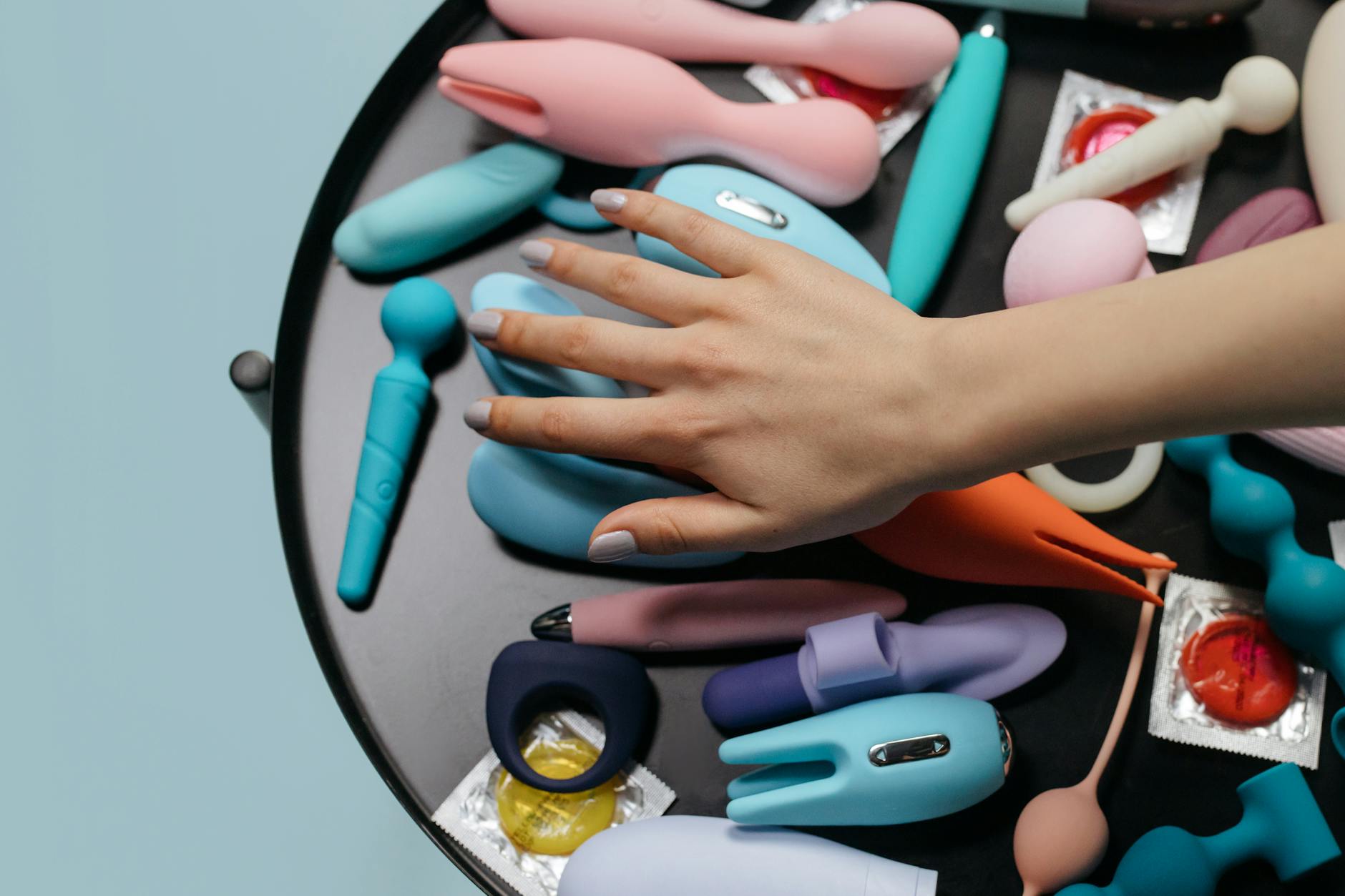
Here's the thing about lemon vibrators and overstimulation
Lemon clitoral vibrators are designed to be strong. That's the whole point. Air-suction technology creates a different kind of stimulation than traditional vibration, and for many people, it's transformative. But for others, that power can trigger a nervous system shutdown that makes pleasure impossible. You're not broken. Your system is doing exactly what it's supposed to do: protecting you when things feel unsafe.
Sensation overload isn't just physical. It's neurological. When your nervous system perceives stimulation as too much, it can lock you out of arousal, make your muscles tense, or send you into a freeze response. Using a lemon vibrator when you're prone to this kind of overload requires a completely different approach than the standard "start on pattern one and work up" advice.
I'm going to walk you through how to use clitoral vibrators when your nervous system is your actual limiting factor, not your pleasure capacity.
What actually happens when stimulation triggers you
Your nervous system has two major branches. The sympathetic branch handles fight-or-flight responses. The parasympathetic branch handles rest-and-digest. When you're aroused, you want to be mostly parasympathetic, with a little sympathetic activation for intensity.
But if you have a history of trauma, anxiety, or even just sensory sensitivity, strong stimulation can flip you into sympathetic overdrive. Your heart rate spikes. Your breathing gets shallow. Your muscles clench. And suddenly, instead of feeling pleasure, you're just feeling unsafe.
The Lem or any lemon sucker toy is powerful because it works through sustained suction rather than rapid vibration. That intensity is exactly why it's so effective for most people. But if your nervous system isn't regulated going in, that same power becomes the trigger that locks you down.
The pre-play nervous system reset
You can't white-knuckle yourself into pleasure. So step one happens before you even pick up the toy.
Spend 10-15 minutes activating your parasympathetic nervous system. This isn't meditation or breathing exercises for their own sake. You're literally lowering your baseline nervous system activation so you have more room for sensation before you hit the ceiling.
Practical ways to do this: take a warm shower. Listen to music that makes you feel safe, not songs that amp you up. Read something funny. Text a friend who makes you laugh. Stretch slowly without forcing yourself to flexibility. The goal is calm alertness, not deep relaxation. You want to feel safe and present, not drowsy.
When you move into the bedroom, you should feel like you're settling into something, not ramping up for a test.
Using patterns, not power
Most lemon vibrator instructions assume you're chasing intensity. If you're managing sensation overload, you're doing the opposite.
The Lem has multiple patterns. If you're sensitive, forget pattern intensity completely. You're optimizing for rhythm stability over power. A consistent, lower-level pattern is vastly less likely to trigger your nervous system than jumping between patterns or cranking to maximum suction.
Start on the lowest suction setting with the simplest pattern. This might feel almost disappointingly gentle. Good. That's the point. Spend time here, even if it feels like you could handle more. Your nervous system is learning that touch is safe and controlled.
If you're doing this solo, you have complete control over speed and pressure. Use it. As soon as you feel the faintest hint of overwhelm, back off immediately. This isn't willpower. It's nervous system regulation. The faster you respond to discomfort, the faster you teach your system that you're trustworthy.
The indirect approach
Let's be direct: if direct clitoral stimulation is triggering overload, you don't have to use the toy directly on your clit.
Many people find that using a lemon vibrator through fabric, or on the vulva but not the clitoral head itself, gives them all the stimulation they want without the nervous system spike. A layer between you and the toy. A few millimeters of distance. The difference between sustainable pleasure and a panic response.
Try holding the toy against your inner thigh, your outer labia, the base of the clitoris. The sensation is still there. Your nervous system isn't screaming.
This isn't a limitation. It's a workaround that can lead to some of the most consistent, reliable pleasure once you find your sweet spot.
Integrating grounding during use
If you're actively using a lemon vibrator and feel yourself starting to spiral into overstimulation, you need an in-the-moment regulation tool.
Simple grounding techniques work here. Name five things you can see right now. Press your feet hard into the bed. Feel the sheets under you. Notice the temperature of the room. These aren't distracting. They're anchoring you into the present moment and signaling to your nervous system that you're safe.
You're not trying to push through the discomfort. You're bringing yourself back to a regulated state where pleasure is possible again.
Communication if you're with a partner
Using a lemon vibrator with a partner when you have sensation sensitivity requires one conversation before you start: what does the pause or stop signal look like.
Not someday. Not "we'll figure it out." Before. This could be a hand signal, a safe word, or simply "if I freeze or tense up, you stop immediately." Your partner needs to understand that overload can look like going silent or still, not always like verbally saying no. And they need to be genuinely okay with stopping mid-scene if you need it.
Many partners worry that sensitivity is a reflection on them. It isn't. Reassure them that communicating about pleasure with your partner strengthens everything, including the parts that are working beautifully.
When to seek professional support
If sensation overload happens consistently even with these adjustments, talking to a trauma-informed therapist is worth it. Not because something is wrong with you, but because the root cause might be something you can process and shift.
Trauma, anxiety disorders, certain neurological differences, and even some medication side effects can predispose you to nervous system overstimulation. A professional can help you identify what's driving it and potentially open up more freedom in your pleasure.
You don't need permission to ask for help. Your nervous system is trying to protect you. Sometimes it just needs some retraining.
The bottom line on lemon vibrators and nervous system sensitivity
A lemon clitoral vibrator isn't inherently too much for you just because you're sensitive. It's too much the way it's being used. Lowering intensity, adding barriers, regulating before and during, and having a clear stop signal can transform your experience from overwhelming to exactly right.
Your pleasure matters. And so does your nervous system's need to feel safe.
People also ask
Can I use a lemon vibrator if I have sensory processing sensitivity?
Absolutely, but with customization. SPD means your nervous system processes sensory input more deeply, so intensity that feels great for someone else might feel intolerable to you. Start with the gentlest setting on your lemon vibrator, use it indirectly (through fabric or on the outer vulva rather than the clitoral glans), and pace yourself. Many people with SPD find that once they find their threshold, clitoral vibrators become their favorite toy because the sensation is so precisely controllable.
What's the difference between overstimulation and trigger response?
Overstimulation is too much intensity for your current state. You feel it building and can usually back off. A trigger response is when your nervous system suddenly perceives danger and shuts down, often triggered by specific sensations or contexts that remind your body of past stress. Trigger responses are faster and more automatic. If you're experiencing true trigger responses to genital touch, working with a trauma-informed therapist makes a real difference. If it's just "that pattern is too intense," you can manage it by switching patterns or reducing suction.
Can I desensitize myself by gradually using my lemon vibrator at higher intensities?
This depends. Gentle, self-directed exposure with tools like a lemon clitoral vibrator can help some people expand their comfort zone. But pushing through dysregulation isn't desensitization. It's just re-traumatizing. If you're working at your genuine edge, feeling safe, and slowly increasing over weeks or months, that can work. If you're gritting your teeth and powering through panic, stop. That's not growth. That's harm.
Is sensation overload the same as being "too sensitive" for penetration or partnered sex?
Not necessarily. You might feel completely fine with penetration or a partner's touch but overwhelmed by the specific intensity of a vibrator. Or you might be fine with certain patterns and speeds but not others. Sensitivity isn't a fixed trait. It's contextual. Your nervous system's response depends on stress levels, hormones, how regulated you are going in, and the specific type of stimulation. You're not globally "too sensitive." You're sensitive to specific things in specific states.
Does sensation overload mean I shouldn't use the Lem or other lemon vibrators at all?
No. It means using them strategically. Many people with nervous system sensitivity end up loving the Lem specifically because the suction-based stimulation is so controllable. You can dial it down to incredibly gentle levels that traditional vibrators can't match. You just need to use it at your threshold, not at the level that would work for someone else. The tool isn't the problem. The expectation that you should use it the same way as everyone else is.
What should I do if I start to panic during solo play with a lemon vibrator?
Stop immediately. Put the toy down. Ground yourself using the five-senses technique: name five things you see, four you can touch, three you hear, two you smell, one you taste. Or press your feet into the bed and feel the physical weight of your body. These aren't distracting from pleasure. They're bringing you back to safety. Once you're regulated, you can decide if you want to continue with a gentler approach or call it a day. There's no prize for pushing through panic.