Let's name what's happening
Obligatory sex is not the same as low libido. It's not hormonal. It's not "just a phase." Obligatory sex is what happens when you start showing up to intimacy like you're checking off a to-do list, and somewhere along the way, the showing up stopped feeling like a choice and started feeling like a debt you owe.
The problem with obligatory sex is that it drains both people. Your partner senses the obligation and feels rejected anyway. You feel resentful for feeling pressured. Sex becomes something that happens to you rather than something you do because you actually want to. That's a broken loop, and no amount of trying harder fixes it.
Here's what I've learned from years of working with couples: the fastest way out of obligatory sex is not more communication about the obligation itself. It's reclaiming your own desire separately first. That's where a lemon vibrator, used intentionally, becomes a small revolution.
Why obligatory sex feels so depleting
When you have sex because you feel you should, your nervous system registers it as a demand. Your body tightens. Arousal doesn't build naturally; it's something you're forcing. Orgasm feels mechanical or doesn't come at all. You're performing, not present. And your partner, even if they don't say it, feels the difference between "yes, I want this" and "fine, let's get this over with."
Obligatory sex often arrives after years together, when the initial chemistry softens and life gets full. Kids, work, aging parents, exhaustion. One person still wants sex regularly. The other person doesn't, but feels guilty, so they agree. The agreement becomes a habit. The habit becomes resentment.
The tricky part: you can't think your way out of obligatory sex with a conversation alone. Your nervous system has already learned that sex equals obligation. Your body won't suddenly feel desire because you talked about it. You need to interrupt the pattern at the level of sensation.
How solo pleasure breaks the cycle
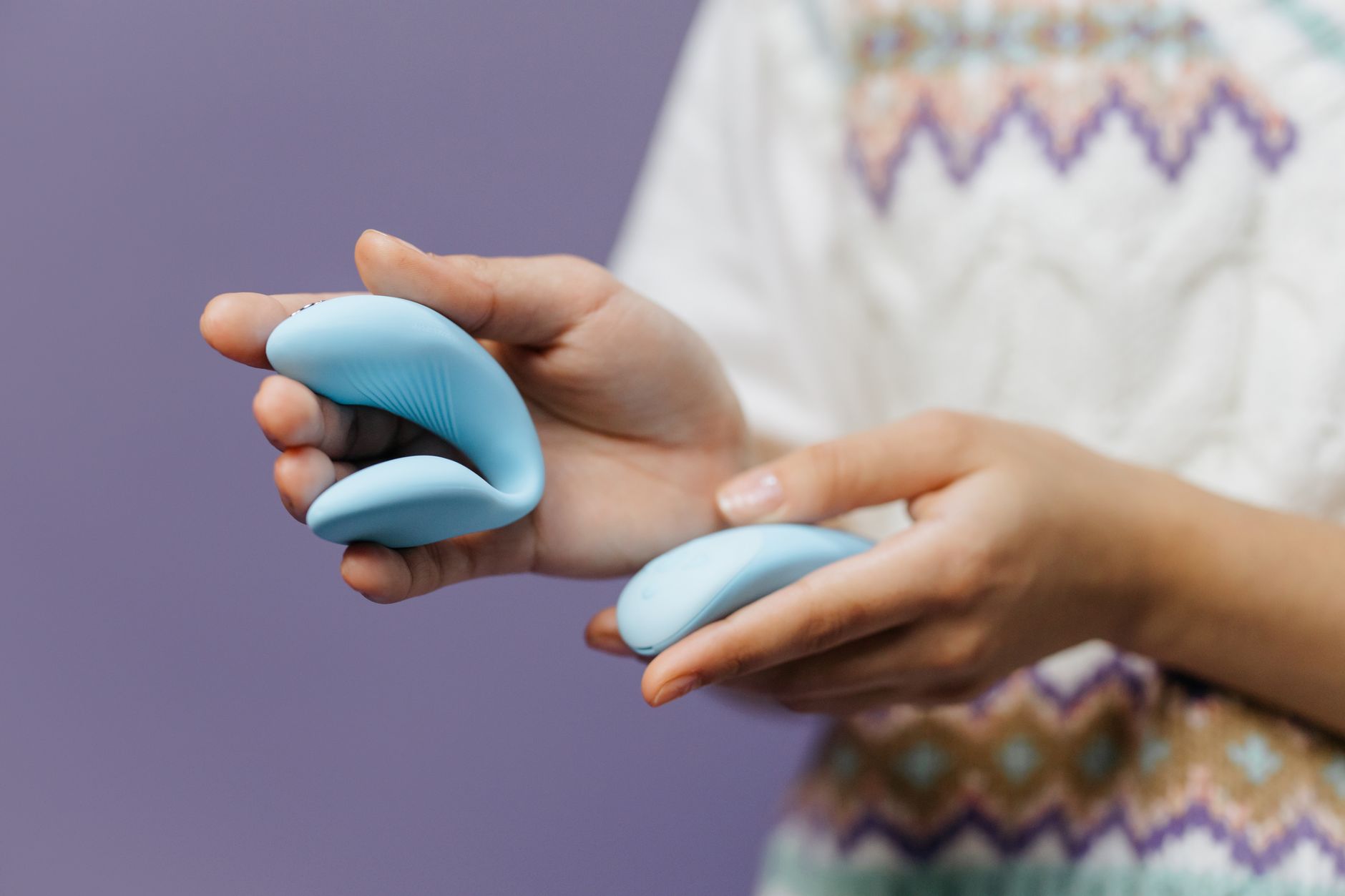
Here's the thing about using a lemon clitoral vibrator on your own when sex with your partner has gone obligatory: it's not about avoiding your partner. It's about reminding your body what desire actually feels like.
When you use a tool like the Lem solo, you're not performing for anyone. There's no timeline. There's no obligation to come, no pressure to enjoy it in a particular way. You can stop whenever. You can restart. You can explore what actually turns you on right now, in this phase of your life, without guilt.
That's radical because obligatory sex has trained your body to disconnect from its own signals. You've learned to ignore what feels good and focus on whether the other person is satisfied. A lemon sexual toy in private gives you permission to flip that switch back.
When your nervous system remembers that pleasure is possible and safe on your own terms, something shifts. You stop approaching sex with a partner as a debt. You start approaching it as a choice you're actively making, which is the only way it stops feeling obligatory.
Using the Lem to reclaim sensation
If obligatory sex has made you numb to arousal, start with the Lem on the lowest setting. Don't aim for orgasm. Aim for sensation.
Spend 15-20 minutes just noticing what the suction feels like. The Lem's design creates a vacuum effect that's gentler than vibration, which means it wakes up nerve endings without overwhelming them. Use it at pattern 1 or 2. The goal is to feel something that's purely pleasurable, with zero performance pressure.
Do this alone. A few times a week if you can. Not as a chore. Not because you "should." Only when you actually want to. That last part matters. You're rewiring your body to listen to its own yes and no again.
Most people find that after a few weeks of solo practice, their relationship to pleasure shifts. Sex with a partner starts to look different because you're remembering that you're capable of desire. You're not broken. You were just performing.
The conversation that actually works
Once you've spent time reclaiming your own pleasure, the next conversation with your partner becomes different. You're not saying "I don't want sex anymore." You're saying "I need us to change how we approach this, because obligatory sex isn't good for either of us."
Then, here's the part most couples skip: you tell your partner what you've been doing. Not as a threat or a rejection. As information. "I've been exploring what I actually enjoy on my own time. And I realized I'd stopped listening to what my body wants. I want to rebuild that with you, but I need it to feel like a choice, not an expectation."
A partner who cares will hear this as the relief it is. Obligatory sex is a burden for the person receiving it too. They want you to actually want them. They don't want to guilt you into bed.
Once that's out, you can actually talk about frequency and what works. Maybe you want sex once a month instead of weekly. Maybe you want to try partnered use of a lemon clitoral vibrator together, which completely changes the dynamic because now it's collaborative pleasure, not one person's obligation.
When your partner resists the reframe
Some partners will push back. "You're using a toy instead of wanting me." "If you cared about us, you'd have sex with me when I want it." That's a red flag, and it's worth knowing that early.
A partner who can't handle you reclaiming your own pleasure has deeper control issues than sex can fix. Couples therapy becomes necessary, not optional. Because the problem isn't obligatory sex. It's that your pleasure isn't allowed to exist independently of their needs.
That's not a sex problem. That's a relationship problem. And a lemon vibrator, while useful for reclaiming sensation, can't fix someone else's emotional entitlement.
Rebuilding genuine intimacy afterward
Once you've stopped obligatory sex and started reconnecting with your own desire, intimacy with a partner can become interesting again. You're not performing. You're choosing.
Some couples find that partnered use of a lemon sucker reignites things. Because now it's collaborative. Your partner watches you experience pleasure. That's vulnerable and hot in a way that obligatory duty sex never was.
Others find that they want less frequent sex, but it's actually good when it happens. The pressure lifts, so the frequency naturally settles at something that works for both people. Paradoxically, lower-pressure sex often leads to more desire, not less.
The key is that you've moved from "I have to" to "I choose to." That shift, however it lands in your specific relationship, is the whole game. Everything else follows from that.
FAQ
What if my partner thinks using a vibrator solo is cheating?
It's not. Solo pleasure is not a substitute for partnered sex. It's a way to stay connected to your own body and desire. That connection actually makes you more available for real intimacy with a partner, not less. If your partner feels threatened by your solo exploration, that's worth examining together in couples therapy. Partners secure in their relationships don't interpret self-pleasure as infidelity.
Can I use the Lem with my partner if sex has felt obligatory?
Absolutely. In fact, partnered use often shifts the dynamic faster than solo use alone. When your partner sees you experience pleasure that's real, not performed, it changes how they approach intimacy. The suction sensation of a lemon clitoral vibrator is also less intense than traditional vibrators, which makes it easier to use during partnered sex without losing sensation. It becomes collaborative rather than obligatory.
How long does it take to stop feeling obligatory sex with a partner?
That varies, but most people report a shift within 3-6 weeks of regular solo practice with a tool like the Lem. The nervous system is malleable. Once you've reminded your body what genuine pleasure feels like, on your own timeline, the obligatory feeling usually starts to lift. The bigger conversation with your partner might take longer, but the sensation shift is often quick.
What if I use a vibrator and still don't feel desire for my partner?
That's possible, and it's important information. Sometimes obligatory sex is the symptom of a deeper incompatibility or relationship problem. A vibrator can help you reconnect with your own pleasure, but it can't create desire for someone you're fundamentally not attracted to. If solo practice with a lemon sexual toy doesn't eventually shift your feelings toward your partner, couples therapy or relationship counseling becomes the real next step.
Is it okay to tell my partner I'm using a vibrator solo?
Yes, eventually. You don't have to lead with it, but if the relationship is healthy, honesty here builds trust. Many partners are relieved to learn you're exploring rather than avoiding. It reframes the conversation from "I don't want you" to "I'm taking care of myself." That's a fundamentally different dynamic.
Can a lemon vibrator help with desire if I'm also dealing with depression or medication side effects?
Partially. If depression or medication is killing your arousal, a vibrator can help you stay connected to sensation, but it's not a replacement for addressing the root cause. Talk to your doctor about the medication side effects. Consider therapy for the depression. A lemon clitoral vibrator is a useful tool for maintaining pleasure during treatment, not a cure for the underlying issue.
The shift you're looking for
Obligatory sex is survivable but corrosive. It erodes both partners' sense of genuine connection. The fastest way out is not through more obligation, more effort, or more trying. It's through reclaiming your own desire as a separate person first.
A lemon vibrator, used on your own terms, gives you back permission to feel. And when you feel, everything else becomes a genuine choice instead of a debt. That's when intimacy can actually heal.
If you're ready to explore that shift, solo practice is the place to start. And if the relationship problems run deeper than obligatory sex, reaching out to a couples therapist is worth doing sooner rather than later. You deserve pleasure, and your partner deserves someone who wants them because they choose to, not because they feel they should.