When your body goes quiet during sex
Let's be real. You're there, your partner is there, everything looks like it should work, but your body feels like it's miles away. Touch that would normally light you up feels like nothing. You're present enough to notice the absence of feeling, which somehow makes it worse. You wonder if something's wrong with you.
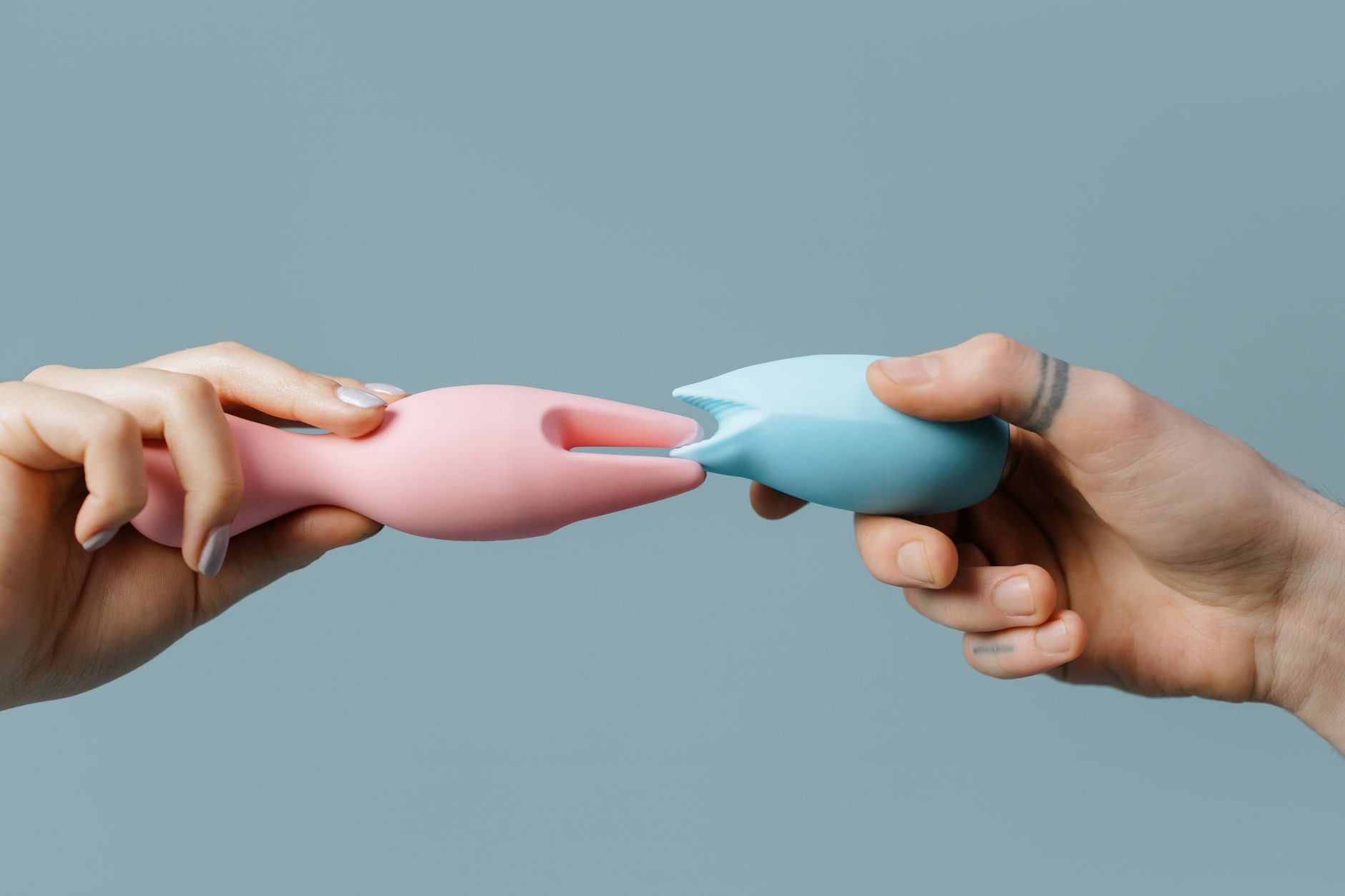
Here's the thing: numbness during sex is almost never about your body's capacity for sensation. It's about what's happening in your nervous system, your stress load, or sometimes just habit. The good news is that tools like a lemon vibrator can help you rebuild that connection quickly.
Why numbness happens during intimacy
Three main culprits show up repeatedly in my practice:
Dissociation. This is the big one. When stress, anxiety, or past experiences activate your nervous system's "freeze" response, your body literally dampens sensation as a protective mechanism. Your brain isn't sending pain signals, but it's also not sending pleasure ones. You feel checked out.
Desensitization from repetition. If the same pattern happens the same way every time, your nervous system stops paying attention. The touch becomes background noise. This happens in long-term relationships where everything has settled into rhythm. Predictability can kill sensation.
Medication or hormonal shifts. Antidepressants, birth control, or hormonal fluctuations can legitimately reduce genital sensation. This is worth discussing with your doctor, but it's also manageable with the right tools and timing.
Disconnection from your own body. This one sneaks up quietly. You stop checking in with what you actually want. You're performing the motions instead of experiencing them. After a few months or years of that, sensation fades because your attention isn't there to meet it.
How a clitoral vibrator wakes sensation back up
A lemon vibrator works differently than hands or penetrative contact. The suction and vibration pattern stimulates nerves in a way that bypasses the usual pathways. If your nervous system has gone into protective shutdown, intense vibration can cut through that static and remind your body that sensation is actually available.
This isn't a workaround. It's neurological reset.
The Lem, specifically, uses air-suction technology that creates a different kind of stimulation than traditional vibrators. Because there's no direct friction, you can use it without the intensity ramping up faster than your nervous system can handle. You have more control, which means less dissociation.
Here's what happens physiologically: intense, novel stimulation activates your sympathetic nervous system (the one that handles arousal and engagement). It overrides the freeze response. After a few sessions, your body remembers that sensation is safe and available, and that memory starts bleeding into partnered touch too.
The three-step protocol for reclaiming sensation
Step 1: Solo practice first. Start alone, no partner present, no performance pressure. This removes the anxiety layer that often fuels dissociation. Set 20-30 minutes aside. Use a lemon clitoral vibrator on low to medium settings. Don't rush toward orgasm. The goal is to notice sensation, not to achieve anything.
Start at the outer edges of the vulva, around the thigh and labia, not directly on the clitoris yet. Spend 5-10 minutes here. Your nervous system is learning that touch is coming, that it's safe, and that you're paying attention.
Move to the clitoris slowly. Try pattern 1 or 2 on the Lem. Hold it there without movement for 30 seconds, then slow circles. Notice what you actually feel. Not what you think you should feel. Not what your partner likes. What does your body actually register?
Step 2: Notice without judgment. If you feel nothing, that's data, not failure. You might feel pressure but no pleasure. Tingling. Numbness that shifts and changes. All of it is normal and all of it matters. Your nervous system is starting to reboot.
Do this three to five times over one to two weeks before bringing your partner into it. This isn't rushing. This is building a foundation.
Step 3: Introduce partnered touch gradually. Once you feel consistent sensation returning alone, try using the lemon vibrator with your partner present, but not yet during penetrative sex or main-event intimacy. Maybe during foreplay. Maybe just while talking or cuddling.
Have them watch you use it on yourself. Let them see what wakes you up. Then, when you're both ready, they can use it on you. But here's the important part: the first few times, keep penetration off the table. Just clitoral work with the vibrator. No performance pressure. No expectation to come. Just sensation building.
After this feels comfortable, you can layer in other touch.
When sensation starts coming back
You might notice it in strange ways first. A sensation that wasn't there before. Your clitoris might feel hypersensitive for a day or two. You might feel more aroused than usual. All signs that your nervous system is waking up.
Don't immediately push for more intensity or more sessions. Sensitivity rebounds work best when you let them happen gradually. Overdo it and you can go back into protective shutdown.
Many people find that clitoral vibrators reduce sensitivity overload during intense arousal by giving you a controlled way to build sensation at your own pace. Same principle applies here.
Why partners need to know what's happening
If you're in a relationship, your partner will notice the shift. They might feel abandoned if they don't understand what's going on. Have the conversation early: "My nervous system has been protecting me by going numb. I'm working on waking it back up. This isn't about you or anything you're doing wrong. I need some time and space to rebuild this connection with my own body first."
Most partners respond well when they understand it's not rejection. It's actually you choosing intimacy more thoughtfully.
If your partner pushes back or makes this about them, that's information too. And it might be worth exploring how to use a lemon vibrator when partners have mismatched arousal speeds or whether this relationship is actually serving your nervous system.
The timeline to expect
Some people feel sensation returning within days. Others take weeks or even a couple months, depending on what caused the numbness in the first place. If dissociation is tied to trauma or chronic stress, you might benefit from talking to a therapist alongside this physical work. Both matter.
But here's what I've seen consistently: once someone has felt genuine sensation return even once, it becomes easier to access again. Your nervous system remembers. And the next time stress tries to shut you down, you already know how to find your way back.
When to talk to a professional
If numbness has been happening for more than a few months, or if it's accompanied by pain, pelvic floor tension, or difficulty with any kind of touch, talk to a pelvic floor physical therapist or a doctor who specializes in sexual health. Sometimes numbness is pointing to something that needs more targeted help.
If the numbness is tied to anxiety or trauma, a therapist who understands somatic work (how the body holds stress) can be transformative. You don't have to figure this out alone.
You can rebuild this
Numbness during sex feels permanent when you're in it. It's not. Your body hasn't forgotten how to feel. Your nervous system has just learned to protect itself. A lemon vibrator gives you a tool to send a different signal. I'm safe. Sensation is available. Pay attention. And slowly, steadily, your body listens.