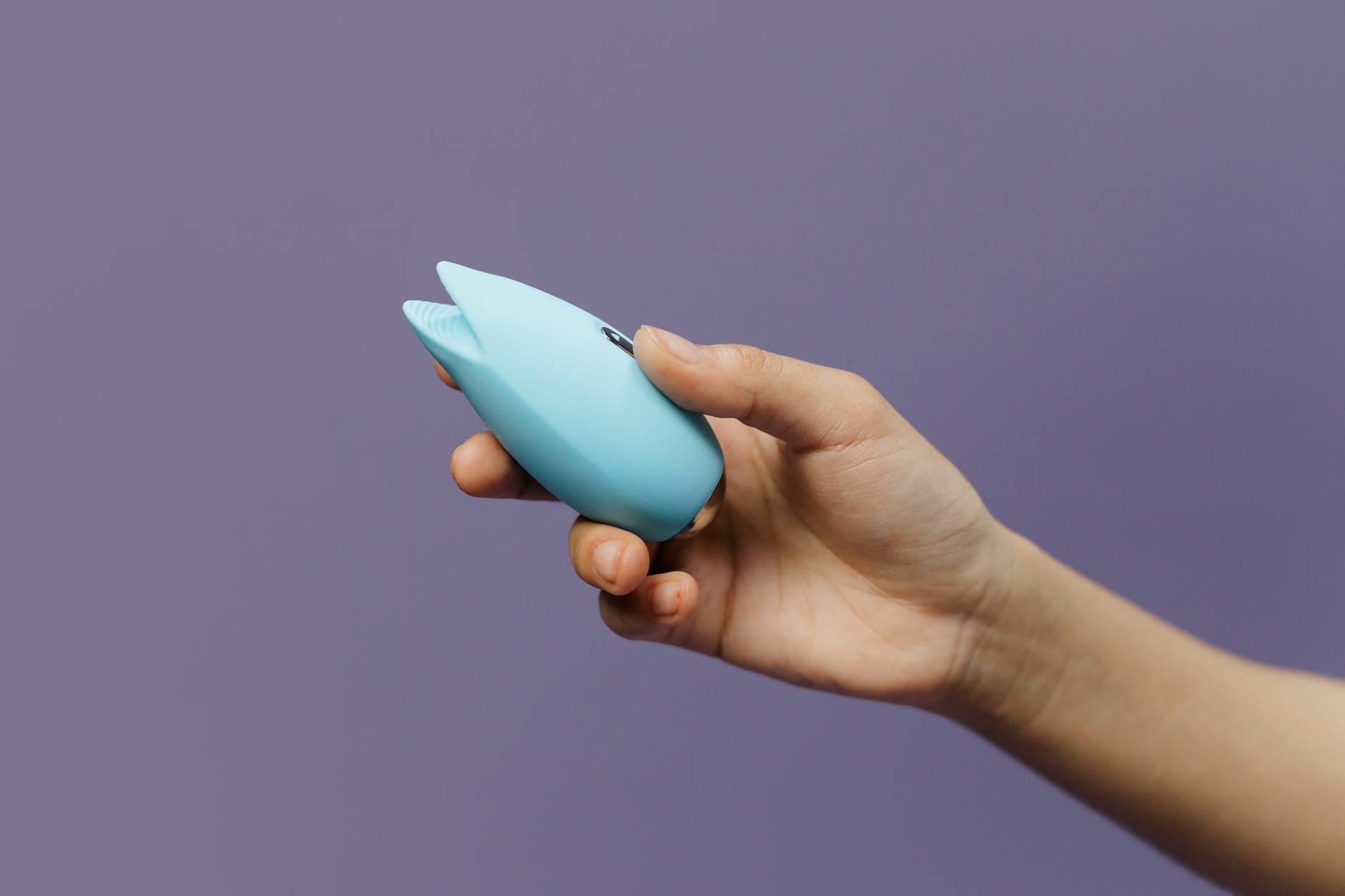
How to Use a Lemon Vibrator When Your Clitoris Feels Numb or Desensitized
Let's be real. Clitoral numbness is one of those things nobody warns you about, and when it happens, the panic is real. You touch yourself and feel almost nothing. You've had partners go down on you and it's like watching someone else's experience. The fear that kicks in is usually: "Is this permanent? Am I broken?"
Here's the honest part: you're not broken. Clitoral desensitization is incredibly common, highly treatable, and in most cases, completely reversible. The right tool and the right approach can rebuild sensation in weeks.
What actually causes clitoral numbness
Clitoral desensitization isn't one thing. It's a symptom with multiple causes, and understanding which one is yours matters because the fix depends on it.
Nerve compression from repetitive pressure. This is the most common culprit. If you've been using the same vibrator with high intensity in the exact same spot for months or years, you can numb the nerves through sheer repetition. It's like pressing the same nerve pathway over and over until it stops firing. Your clitoris has roughly 8,000 nerve endings, but they're clustered in specific zones. Hammering the same spot with intense vibration can exhaust those local nerves.
Desensitization from a partner's routine. Mismatched pressure, speed, or duration during partnered sex can create a kind of sexual numbness. If someone is consistently using too much pressure or the wrong rhythm, your body adapts by dampening sensation as a protective measure.
Hormonal shifts. Estrogen drops affect clitoral tissue thickness, blood flow, and nerve sensitivity. This happens during perimenopause, after certain hormonal birth control methods, and sometimes as a side effect of antidepressants. Lower estrogen can make the tissue itself less responsive, not because your nerves are broken, but because there's less blood flow feeding them.
Overuse or "death grip" syndrome. If you've trained your body to orgasm with intense, sustained pressure (either solo or with a partner), your clitoris can become temporarily less sensitive to lighter touch. This is learned desensitization, and it's fixable with retraining.
Vascular issues or reduced blood flow. Poor circulation, stress, or certain medications can reduce blood flow to the clitoris. Sensation requires blood flow. No flow, no feeling.
Why lemon vibrators work differently for numbness
Most vibrators rely on sheer speed or intensity. The Lem and other lemon sucker-style clitoral vibrators work through air-pulse technology instead. Here's why that matters for desensitization.
Air-pulse stimulation activates a completely different set of sensory receptors than direct vibration does. Instead of hammering nerve endings with friction, the suction motion creates a wave-like sensation that travels through deeper layers of tissue. This means you're waking up nerve pathways that haven't been stimulated in the same way.
For someone with numbness from repetitive vibration damage, switching to a lemon clitoral vibrator is like changing the language you're speaking to your body. The neurons listen because they're hearing something new.
Second, air-pulse devices allow for much finer control. A quality lemon vibrator has intensity settings that let you start genuinely low. Most traditional vibrators at "low" are still buzzing away at a frequency that can feel overwhelming to a desensitized clitoris. Lemon sucker designs give you the option to go lower without losing efficacy.
Third, the suction mechanism gently encourages blood flow to the area. Sensation requires circulation. Suction = increased blood delivery = reawakening of nerve sensitivity. It's a virtuous cycle.
The protocol for rebuilding sensation
If you're going to use a lemon vibrator to recover from clitoral numbness, the approach matters as much as the tool itself.
Start absurdly low. Not "low for you." Low for a person with normal sensation. If your lemon clitoral vibrator has five intensity levels, live at level 1 for the first week. The goal isn't orgasm right now. The goal is sensation awareness. You're teaching your clitoris to feel again.
Use it for 5-10 minute sessions, three to four times a week. This is not a marathon. Short, frequent sessions are more effective for neural retraining than occasional long sessions. You're building a habit of sensitivity, not burning through sensation.
Pair it with manual touch. Use your fingers to gently explore the clitoral area while the vibrator is on. Map where you have sensation and where you don't. The external clitoris is only the visible part. Sensation might return first at the shaft, the hood, or the sides before it returns to the glans. Pay attention to those micro-sensations.
Move it around. This is critical. Don't park the vibrator on the same spot every time. Small movements, half-inch shifts, let you explore different nerve clusters. Repetition in one spot is exactly what caused the problem in the first place.
Don't chase orgasm. This is the hardest part. If you're used to sensation from this area, the impulse is to crank it up and get to the finish line. That defeats the purpose. You're in a sensitivity-rebuilding phase. If an orgasm happens, great. If it doesn't, that's completely fine and actually more useful for your goal.
What timeline should you expect
Mild desensitization from overuse can improve in two to three weeks with consistent protocol. You'll notice the world getting a bit sharper. Sensations that felt like a dull static will start to have texture again.
Moderate numbness from hormonal causes or medication side effects usually shows improvement in four to eight weeks. This timeline assumes you're also addressing the underlying cause if possible (talking to a doctor about medication timing, supplementing with topical estrogen if appropriate, etc.).
Severe desensitization or numbness from nerve damage takes longer. I'm talking two to three months of consistent, gentle retraining. The good news is that nerves do regrow and resensitize. It's slow, but it's not a dead end.
The equipment setup
A lemon clitoral vibrator is the primary tool, but you'll want a few companions in this process.
Water-based lubricant. Use it every session. Even if you're producing natural lubrication, the slide matters. Lube reduces friction and lets you move the vibrator smoothly without tugging on delicate tissue. This supports the healing process.
A quiet space and no time pressure. Stress is the enemy of sensation recovery. Cortisol narrows blood vessels. You need vasodilation. That requires genuine relaxation. Ten minutes with your phone off beats thirty minutes checking email.
Consider a body-safe toy cleaner and a storage pouch. You're committing to this tool for a few months. Proper care keeps it in working order.
When to see a doctor
If numbness appeared suddenly or is getting worse despite consistent protocol, see a gynecologist. There are treatable medical causes: thrush, dermatitis, nerve impingement, hormonal imbalances that respond to supplementation. Getting those ruled out or treated accelerates your recovery significantly.
If numbness is tied to a medication, ask your prescriber if timing changes help. Some antidepressants cause less sexual side effect if taken at night instead of morning. Some can be swapped for alternatives with lower rates of desensitization.
If you're in perimenopause or post-menopause, a topical estrogen cream can restore tissue thickness and nerve sensitivity in four to six weeks. This isn't a hack. It's proven medicine.
The psychological piece
Clitoral numbness often comes wrapped in shame or anxiety. You might feel broken, less sexual, less desirable. That narrative gets in the way of recovery because you stop trying.
Here's what I know from decades of working with couples: sensation recovery is as much about permission as it is about mechanics. You have to genuinely decide that your pleasure matters enough to spend ten minutes three times a week on slow, sensation-focused exploration with no pressure to come.
That decision is the real tool. The lemon vibrator is just the vehicle.
FAQ
Can clitoral numbness go away completely?
Yes. If the cause is repetitive pressure or overuse, sensation typically returns fully with the retraining protocol. If it's hormonal, treating the hormone imbalance usually restores sensitivity. If it's from medication, adjusting timing or switching medications can reverse it. Permanent numbness is rare unless there's significant nerve damage from injury or surgery. Most desensitization is absolutely recoverable.
How often should I use a lemon vibrator if my clitoris is numb?
Three to four times per week for 5-10 minutes is ideal. More frequent sessions don't speed recovery; they just tire you out. Your nervous system needs recovery time between sessions to integrate new sensation. Consistency over intensity is the rule.
Is using a lemon vibrator safe if I have clitoral numbness?
Completely. A lemon sucker-style vibrator is actually safer than traditional vibrators for desensitized tissue because the air-pulse mechanism is gentler and you have better control over intensity. Start at the lowest setting and you're working with a tool designed to be fine-tuned. That's the opposite of risky.
Can I still have an orgasm while rebuilding clitoral sensation?
Possibly, but that's not the goal right now. Some people report that once they shift their attention away from orgasm and into sensation awareness, orgasms actually return more reliably. Others find that full sensation returns before orgasm does, and then orgasm comes back later. The timeline isn't linear. Focus on feeling, not coming.
What if numbness is in one area of the clitoris, not the whole thing?
This is actually really common and often easier to fix. The glans (the visible head) is often the most sensitive and most susceptible to overuse numbness. Sensation might return first in less stimulated areas like the clitoral shaft or hood. Use that information. If you have feeling on the left side but not the right, spend more time on the right with gentle air-pulse stimulation at the lowest setting. You're training targeted areas back to life.
How do I know if the lemon vibrator is helping or if numbness is just fluctuating naturally?
Keep a very simple log. Note the date, the intensity level you used, the duration, and a one-word description of sensation at the end (dull, flat, tingling, sharp, awakening). After two weeks, look back. If there's a trajectory toward more varied sensation descriptions, it's working. If it's completely flat, you might need to also address an underlying medical cause. The log isn't about perfection. It's about pattern recognition.
The bottom line
Clitoral desensitization feels terrifying when it's happening to you. It can feel like a fundamental loss. But sensation is recoverable. A lemon clitoral vibrator, used with patience and consistency, is one of the most effective tools for rebuilding it because it speaks to your nervous system in a language that bypasses the numbness. Pair that with a genuine commitment to sensation-focused pleasure (not outcome-focused pleasure), and most people see significant improvement in weeks.
Your clitoris is not broken. It's just temporarily asleep. And the right protocol wakes it up.