
Let's name the real problem first
Here's the thing: when one partner wants sex and the other doesn't, the person with higher desire often internalizes it as rejection. You start thinking it's about your body, your attractiveness, or something you're doing wrong. It rarely is. But that belief gets in the way of everything—real conversation, your own pleasure, and actual solutions.
A lemon vibrator won't fix a desire mismatch. But it can do something more important: it separates your pleasure from their participation. That shift changes everything.
Why the mismatch matters more than you think
Desire differences show up for different reasons depending on context. Sometimes it's stress, medication, or hormonal shifts. Sometimes it's resentment hiding underneath. Sometimes one person is genuinely lower-libido by nature, and it has nothing to do with attraction. The problem isn't the difference—it's when the higher-desire partner starts tying their worth to the lower-desire partner's interest.
I work with couples on this constantly. The pattern looks like this: one partner starts pursuing more, the other withdraws more, the pursuing partner feels desperate, the withdrawing partner feels pressured, and now you've got two people who don't want to be intimate for entirely different reasons. Your own pleasure gets lost in the negotiation.
That's where a lemon clitoral vibrator enters. Not as a replacement for your partner, but as a way to remember that your body's capacity for pleasure is yours to own.
How to use it without turning it into a fight
First, separate the two conversations. "I want to explore pleasure on my own" is different from "I'm upset that you're not interested in sex with me." They matter equally, but they need different timing and space.
If you're going to use a lemon vibrator (or any clitoral vibrator), tell your partner. Not as a preface to an argument, but as straightforward information. "I'm going to prioritize my own pleasure because I deserve that, regardless of what we're doing together right now." Some partners find this threatening. That's worth exploring separately—with a therapist if needed. Most partners find it relieving. If they're not interested in sex, they're often glad you're not waiting around for them to want it.
The key here is tone. Not punitive. Not desperate. Just matter-of-fact: "This is happening."
What a lemon vibrator actually does for mismatched desire
Using a clitoral vibrator when your partner isn't interested serves several functions at once.
First, it maintains your sexual response system. When desire mismatches go on for months, some people's arousal capacity actually dampens from disuse. A lemon vibrator keeps that system active. The neural pathways that fire when you're stimulated stay lit.
Second, it gives you orgasms, which your nervous system needs. Orgasms reduce cortisol and increase oxytocin and dopamine. If your relationship situation is stressful (and desire mismatches usually are), your body is running on a stress response. Regular orgasms—whether partnered or solo—regulate that. You'll be calmer, clearer, and better able to have difficult conversations with your partner.
Third, it buys you time to actually diagnose what's going on. When you stop pressuring your partner for sex (and yes, even subtle pressure counts), they often relax enough to talk. Sometimes they'll say "I'm dealing with stuff at work," sometimes "I've been feeling distant from you," sometimes "My medication tanked my libido." Once you know what you're actually dealing with, you can solve it. A lemon vibrator gives you the runway to have that conversation without desperation clouding it.
The right rhythm for using it
I recommend starting with 2-3 times per week when you're navigating a desire mismatch. Not as punishment, not as a statement to your partner, just as maintenance. Your pleasure matters even if they're not interested right now.
Use it when they're not around or sleeping—less emotionally loaded that way. You're not introducing a third presence into the bedroom. You're taking care of yourself, the way you'd shower or exercise.
Start low intensity. Many people with lemon vibrators begin on pattern 1 or 2, then work up as they find their rhythm. The lem vibrator uses air-suction technology, which means you're getting stimulation without the intensity of traditional vibration. That matters when you're using it solo—you want enough sensation to feel good, not so much that you're chasing an orgasm you can't reach.
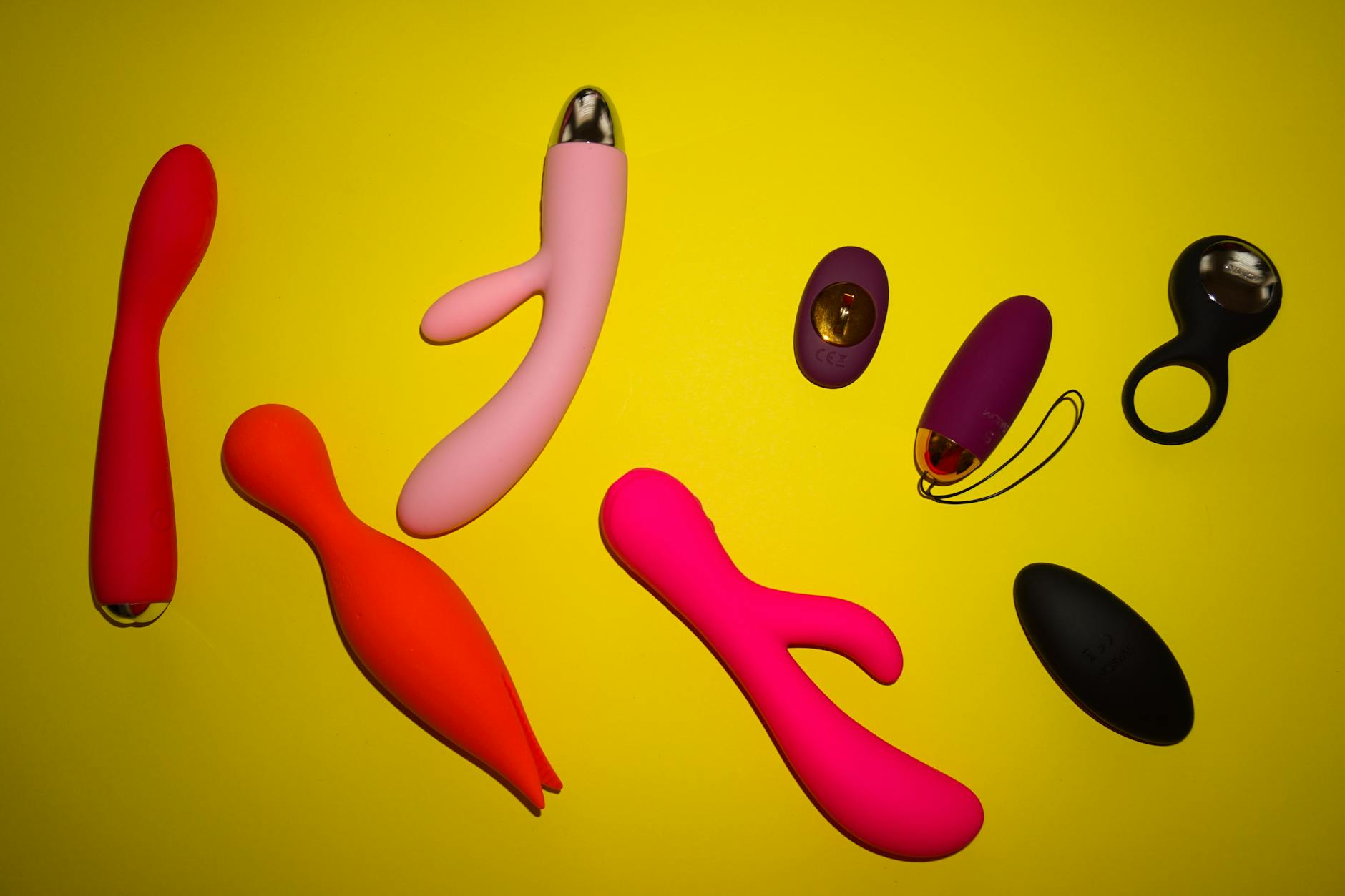
Photo by FounderTips . on Pexels
What you're actually addressing with this practice
Let me be clear about what I'm not saying. Using a clitoral vibrator is not "settling." It's not a workaround for a broken partnership. It's not you giving up on partnered sex.
What it is: a boundary. A way of saying "my pleasure is not negotiable, even if your interest in sex is low right now." That boundary often makes the actual partnership conversation possible. When you're not desperate, you can actually listen to what your partner is experiencing instead of trying to convince them to want you.
Sometimes that conversation leads somewhere new. Maybe they'll want to explore why their desire has dropped. Maybe you'll find out it's temporary—a medication adjustment or a work stress that's about to lift. Maybe you'll both decide to rebuild intimacy slowly, and using a lemon vibrator becomes part of that process, something you explore together.
Sometimes the conversation reveals that this is a fundamental incompatibility. That's hard information, but it's still useful information. You get to make a choice from clarity instead of slowly building resentment.
A note on solo pleasure in partnership
There's often shame around masturbation in long-term relationships, especially when desire is already imbalanced. People worry it means something is wrong. It doesn't. Your ability to pleasure yourself is not a referendum on your relationship. It's a basic human capacity.
If your partner seems bothered by you using a lemon vibrator, that's worth examining. Are they worried you'll want them less? Unlikely—if anything, maintaining your own pleasure usually makes partnered sex more satisfying when it happens. Are they feeling inadequate? That's real, but it's also their work to do, possibly with a therapist.
Your pleasure is not a threat to them. It's a resource for you.
When desire mismatch signals something bigger
If your partner's lack of interest in sex is sudden and unexplained, that's worth addressing directly. Dropped desire can mean depression, burnout, medical issues, or that they're not feeling safe or connected in the relationship. None of those resolve by you using a clitoral vibrator.
But they also don't resolve by waiting around hoping they'll want sex again. Using a lemon vibrator while you're having the actual conversation—the one about what's changed, what they're experiencing, what they need—puts you in a healthier position to hear it and respond to it.
If the conversation goes nowhere, if your partner refuses to engage with the topic at all, that's also useful information. It might mean you need a couples therapist. It might mean you need individual therapy to decide what you want moving forward. But at least you'll know.
The permission you actually need
You deserve pleasure. Full stop. Not as a reward for being a good partner, not when someone else gives you permission, just because you're a person with a body that responds to stimulation. A lemon vibrator is a tool for accessing that. Using one when your partner isn't interested isn't selfish. It's you refusing to put your own body's needs on hold indefinitely.
Start somewhere. Set the time. Use the vibrator. Notice how your nervous system calms down. Notice how much clearer your thinking becomes. Then, from that place of groundedness, talk to your partner about what's actually happening between you.
Frequently asked questions
Can using a lemon vibrator solo make my partner feel inadequate?
Possibly, if they're already struggling with shame or insecurity about desire. But that's their work, not yours. You're not obligated to suppress your own pleasure to protect their feelings. If the inadequacy is severe, that's a conversation for a therapist. What you can do is explain clearly: "This isn't about you not being enough. This is about me taking care of myself while we figure out what's going on."
Will using a lemon vibrator make me want partnered sex less?
No. If anything, the opposite. Maintaining your own arousal system usually makes partnered sex more satisfying when it happens. You're less desperate, less resentful, more in your body. Those are all things that improve connection.
What if my partner wants to use the lemon vibrator with me?
That's a good sign. It means they're curious and willing to engage, even if they're not initiating on their own. You can absolutely use a clitoral vibrator together. It doesn't require their arousal to feel good for you.
How do I bring up using a lemon vibrator without it becoming a conversation about our desire mismatch?
Keep them separate. "I'm going to start using a vibrator for my own pleasure" is not a debate. It's information. You're not asking permission. You're not making a point. You're stating a fact. If they react badly, that's when you address the deeper stuff—but separately, maybe with professional support.
Should I hide my lemon vibrator from my partner?
I'd avoid it. Hidden tools create shame and distance. You're an adult with a body. You deserve to care for it openly. If hiding it feels necessary, that tells you something important about the safety or openness in your relationship.
What if my partner says no one else would want me because of my needs?
That's not a desire mismatch. That's controlling behavior. Please talk to someone—a therapist, a trusted friend, or a hotline—about what's happening. Desire differences are one thing. Shaming you for having a body is another.
What comes next
Use a clitoral vibrator when your partner isn't interested in sex. Own your pleasure. Notice how much clearer you think and feel. Then, from that groundedness, ask the harder questions: What's actually happening here? Is this temporary? Is this permanent? Do we both want to work on it? Can we get help?
Your pleasure isn't the issue. The mismatch is worth examining. And you deserve both: a partner you connect with and a body that gets to feel good.
If you're ready to explore this for yourself, a lemon clitoral vibrator like the Lem is designed for exactly this—solo pleasure that's serious and effective. But the real work happens in the conversation. Start there.