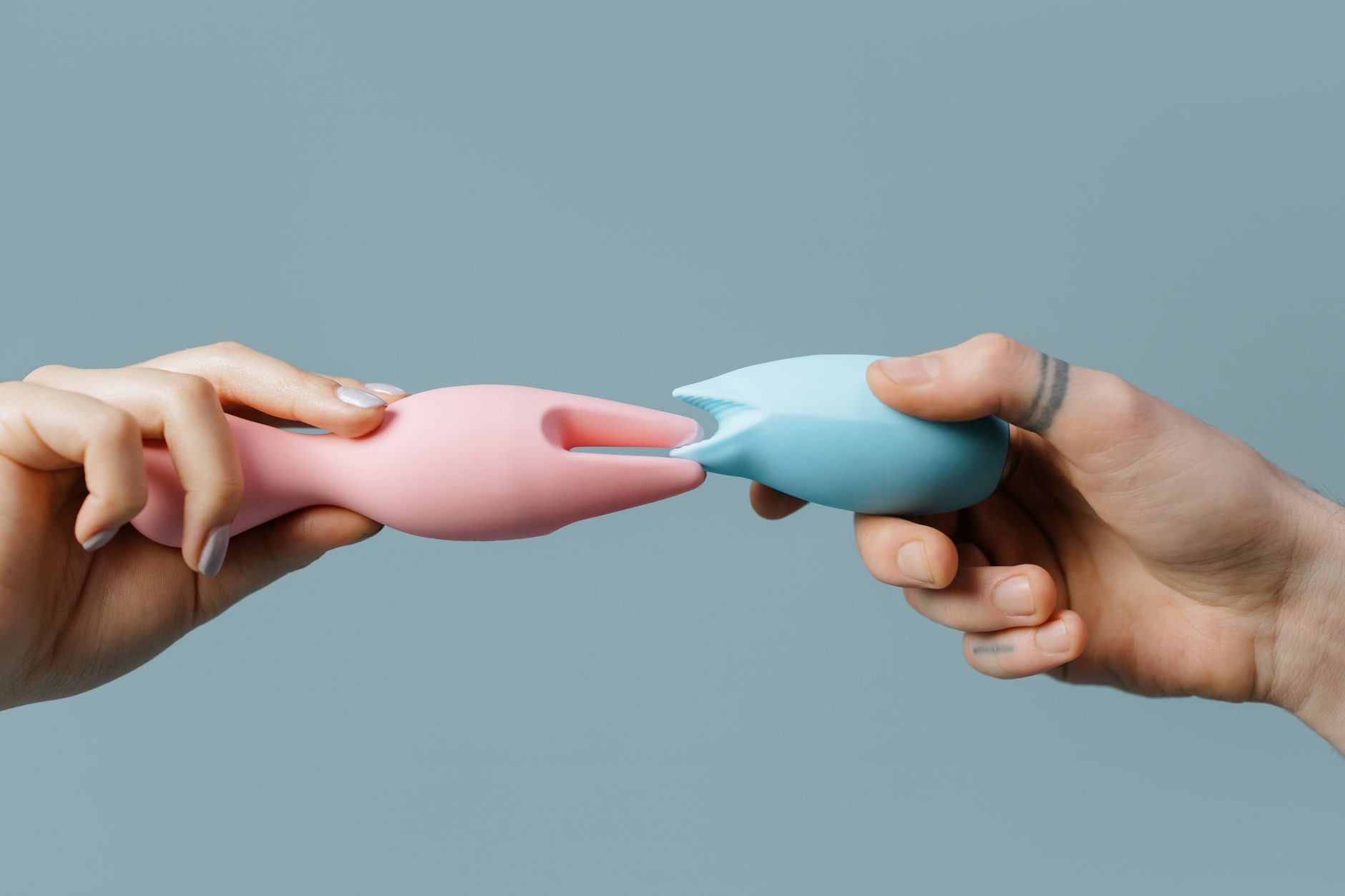
The mismatched libido conversation nobody wants to have
Let's be real. Desire frequency mismatch is one of the top reasons couples end up in my office. Not because the relationship is dying, but because one person feels rejected every time they initiate, and the other feels pressured into sex they don't want. Both feel terrible. Both blame themselves. Both stop talking about it.
A lemon vibrator doesn't solve the root conversation. But it can change the dynamic in a way that actually makes the conversation possible.
Why frequency mismatch hits different than other sexual incompatibilities
When someone wants sex more often than their partner, it's not actually about the sex. It's about feeling desired, connected, and accepted. When they keep getting turned down, it lands as rejection of them as a person. The higher-libido partner starts taking it personally.
Meanwhile, the lower-libido partner feels cornered. Pressure to perform kills desire faster than almost anything else. So they withdraw, which makes the higher-libido partner initiate more, which makes the lower-libido partner shut down further. The spiral is real.
Here's what changes when you introduce a clitoral vibrator into this dynamic: it reframes the conversation from "Do you want to have sex with me?" to "What does pleasure look like for both of us?" That's a completely different question.
The physics of why this actually works
A lemon sucker style vibrator like the Lem works because it's fast, efficient, and focused. If your body needs 20 minutes of traditional foreplay to get aroused, you might genuinely not want sex four times a week. That's not a character flaw. That's just how your body is wired.
But if you have a clitoral vibrator that gets you to arousal in 5-8 minutes, the calculus changes. You're not committing to a 45-minute production. You're saying yes to something that fits in your actual availability and energy level.
This matters because one of the biggest friction points isn't actually "I don't want sex." It's "I don't want the lengthy process required to have sex." Those are not the same thing.
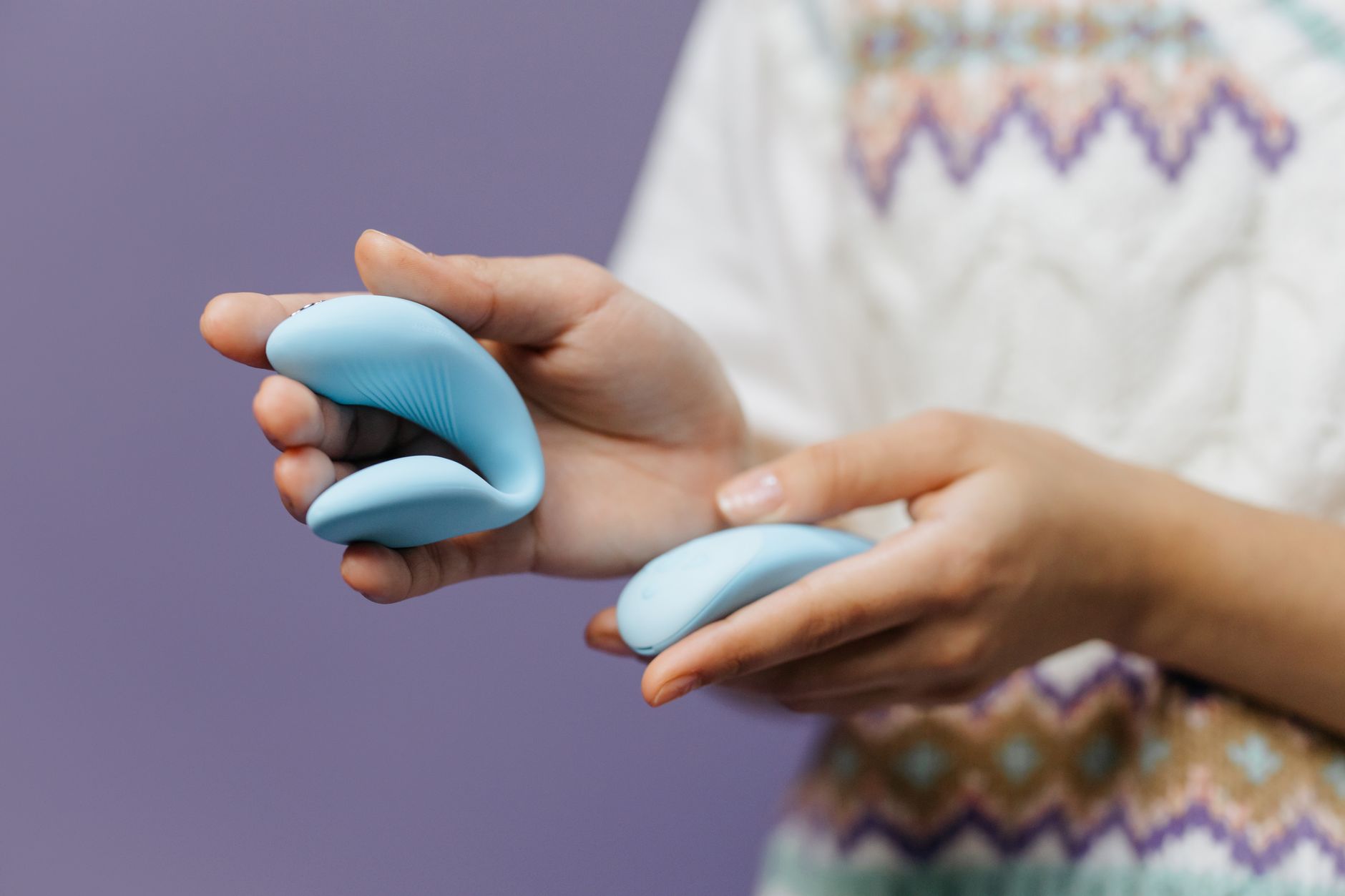
Photo by cottonbro studio on Pexels
Using a lemon clitoral vibrator as a bridge, not a replacement
If your partner wants sex five times a week and you want it once, you're not going to meet at 3.5. That's not how human desire works. But you might meet here: partner gets more frequent sexual connection with you, and you're getting more frequent sex that actually feels good instead of obligatory.
Here's how this looks in practice. Your partner initiates. Instead of saying "I'm not in the mood," you say "I'm not going to have penetrative sex right now, but I'm open to using the Lem together." That's not a rejection. That's a yes to something that's actually available to you.
For your partner, this is genuine sexual connection. They get to participate. They get to watch. They get to feel involved. It's not a consolation prize. It's a different flavor of intimacy.
For you, it's low-pressure arousal that doesn't demand you perform a lengthy foreplay production or commit to 30 minutes of activity when you have 15 minutes free.
Three agreements that make this work
This only lands right if you both actually agree on what's happening. Otherwise, the lower-libido partner feels like they're being managed, and the higher-libido partner feels like they're settling.
First agreement: using the vibrator together is a genuine form of sex, not foreplay to something else. It has its own arc. It has its own satisfaction. It counts.
Second agreement: just because you use the vibrator one day doesn't mean you're obligated to use it every day you don't have penetrative sex. You're not replacing one obligation with another. You're adding an option.
Third agreement: the conversation about frequency happens separately from the sex itself. If you're going to address the underlying mismatch, you do that while you're clothed, having coffee, not in the bedroom. That's my non-negotiable. Bedroom negotiations almost always fail.
When a lemon vibrator is actually the wrong tool
Here's what I need to be honest about. If the frequency mismatch is 10 times a week versus once a month, a vibrator is not going to fix that. That gap is usually about something else. Resentment. Different life stages. Burnout. Unresolved conflict.
Before you buy anything, sit down and ask yourselves why the gap exists. Is the lower-libido partner experiencing:
Stress that's genuinely killing arousal? Then you need stress management first.
Pain during sex? Then you need medical care first. A vibrator might help, but not before you see a gynecologist.
Depression or medication side effects? Then the vibrator helps, but so does treatment.
Lack of emotional safety with this partner? Then no vibrator is fixing this. You need couples therapy first.
If the frequency gap is rooted in one of these, a clitoral vibrator becomes a helpful tool in a larger picture. If it's the only thing you're doing, you're just adding a band-aid.
The conversation that actually needs to happen
Here's the thing nobody tells you about desire mismatch. You can't negotiate your way to matching libido. You can't argue someone into wanting sex more or pressure someone into wanting it less. You can only create the conditions where both people feel safe and seen.
For the higher-libido partner, that means: "I hear that you're not available for sex as often as I'd like. I want to find ways we can be intimate that don't drain you. I'm not trying to corner you. I'm trying to connect with you in whatever way actually works."
For the lower-libido partner, that means: "I understand that you're feeling rejected. I'm going to get clearer about what I actually want versus what I'm saying no to because I'm exhausted or out of arousal. I'm not rejecting you. I'm protecting my own capacity."
Then you experiment. The vibrator is part of that experimentation. So is more foreplay for one person, or less for another. So is different timing. So is separating sex from penetration.
The vibrator just makes some of those options feel less like a compromise and more like an actual choice.
FAQ: Mismatched libido and lemon vibrators
Will using a vibrator together actually increase how often we have sex?
Maybe. Not because the vibrator is magic, but because you're removing one barrier (lengthy arousal time) and replacing pressure with option. Some couples find they naturally increase frequency. Others stay the same, but the sex they do have feels better for both of them. Both outcomes are wins.
What if my partner feels like the vibrator is "replacing" them?
This is the wrong setup if that's the frame. Position it as a tool you're using together, not instead of them. They're involved. They're watching. They're participating. If your partner is worried the vibrator makes them unnecessary, that's actually a confidence issue that a vibrator won't solve. That's a conversation about feeling desired and needed in the relationship, separate from sex.
How do I suggest using a lemon vibrator to a partner without it feeling like rejection?
Timing matters. Don't bring it up mid-initiation when they're already vulnerable. Bring it up when you're both clothed, when they're not in a state of sexual anticipation. "I've been thinking about ways we can connect more often that actually work for both of us. I want to try something together. Would you be open to that?" That's specific and collaborative.
What if my partner has a lower libido and I'm the one who wants sex more?
Then reframe the conversation. Instead of "Will you have sex with me," it becomes "Would you be open to me using a vibrator while you're present?" For some lower-libido partners, being part of their partner's pleasure without the demand to perform is actually arousing. For others, it's still low pressure, which feels good. Either way, they're participating instead of avoiding.
Can a vibrator actually solve resentment that's already built up?
No. If resentment is already deep, the vibrator is just a new target for argument. You need to address the resentment first. That usually means couples therapy, an honest conversation about whether you both want to stay, and some real structural changes in how you communicate about sex. The vibrator comes after trust starts rebuilding, not instead of it.
How do I know if our frequency mismatch is normal or a red flag?
Normal is "we have different desires and we're figuring out how to work together." Red flag is "one person keeps pushing past the other person's no," or "one person has completely stopped initiating out of shame," or "we haven't had sex in a year and nobody's talking about it." If you're actively communicating, trying to problem-solve, and both feel respected, you're fine. If someone's just white-knuckling it and hoping things change, you need help.
The real work is the conversation, not the vibrator
I'll be direct. Buying a lemon vibrator won't fix your relationship. But it might change your dynamic enough that you can actually talk about what's underneath the frequency mismatch. That's where the real healing happens.
If your partner wants sex more often and you're dreading every initiation, something's off. Maybe it's your arousal style. Maybe it's resentment. Maybe it's that you're exhausted. But just white-knuckling your way through more sex won't work long-term. Neither will refusing and hoping they get over it.
A tool like a clitoral vibrator can make the options feel less binary. You're not choosing between "have sex I don't want" and "reject my partner." You're choosing from actual options that work for both of you.
The vibrator is just the conversation-starter. The real work is showing up honestly about what you both need, and then actually building something that fits.