
Let's be real about the desire mismatch
One person wants sex three times a week. The other wants it once, maybe twice if the stars align. No one is wrong. No one is broken. But the tension this creates can erode a relationship faster than almost anything else, because it touches two painful areas at once: rejection and obligation.
The higher-desire partner feels shut down. The lower-desire partner feels pressured. Both feel lonely. And here's what actually happens in this loop: the person with lower desire pulls away more to protect themselves, and the other person chases harder, which makes both of them more stressed, which tanks desire even further. It's a system that feeds itself in the worst direction.
I started suggesting to couples that a clitoral vibrator, specifically a lemon vibrator like Hello Nancy's Lem, could break this cycle. Most people thought I meant "just use it solo" or "it's a fix for the lower-desire partner." It's neither. It's a tool that changes the conversation entirely.
Why desire mismatch isn't actually about desire
This is crucial, so I'm going to say it plainly: most couples with a significant libido gap don't have a desire problem. They have a pressure problem and a speed problem and a comfort problem.
The person with lower desire usually isn't low-desire across the board. They have different conditions, different timing, different build-up needs. Maybe they need more emotional connection first. Maybe they need less pressure. Maybe their body needs longer to warm up. Maybe they're managing stress or health stuff that affects arousal. Maybe their partner's approach to sex feels transactional, and that kills the mood immediately.
The person with higher desire often isn't actually higher-desire either. They're seeking reassurance, or they're responding to rejection by pursuing harder, or sex is their primary way of feeling connected.
A lemon vibrator doesn't fix these conversations. But it creates a container where new conversations can happen.
How a clitoral vibrator changes the dynamic
A lemon vibrator like the Lem works through gentle suction rather than vibration, which means it activates nerves in a fundamentally different way than friction-based stimulation. For couples with mismatched libido, this matters more than you'd think.
Here's why: when one partner is less aroused, penetrative sex often feels uncomfortable or mandatory. A clitoral vibrator lets arousal actually build. It's harder to rush. The sensation is so specific and engaging that the lower-desire partner's brain can actually focus on pleasure instead of clock-watching or worrying about performance.
For the higher-desire partner, watching their lover actually get turned on is profoundly different from asking for sex and getting reluctant agreement. It's the difference between a partner who chooses to be there and a partner who is being generous.
So what often happens in practice is this: the higher-desire partner touches the lower-desire partner with the lemon vibrator. It's not sex yet. It's foreplay that works. The lower-desire partner's arousal actually accelerates. And suddenly both people are on the same page, at the same temperature, for the first time in months.
The lower-desire partner discovers they're capable of the arousal they thought they'd lost. The higher-desire partner feels wanted instead of like a pursuer.
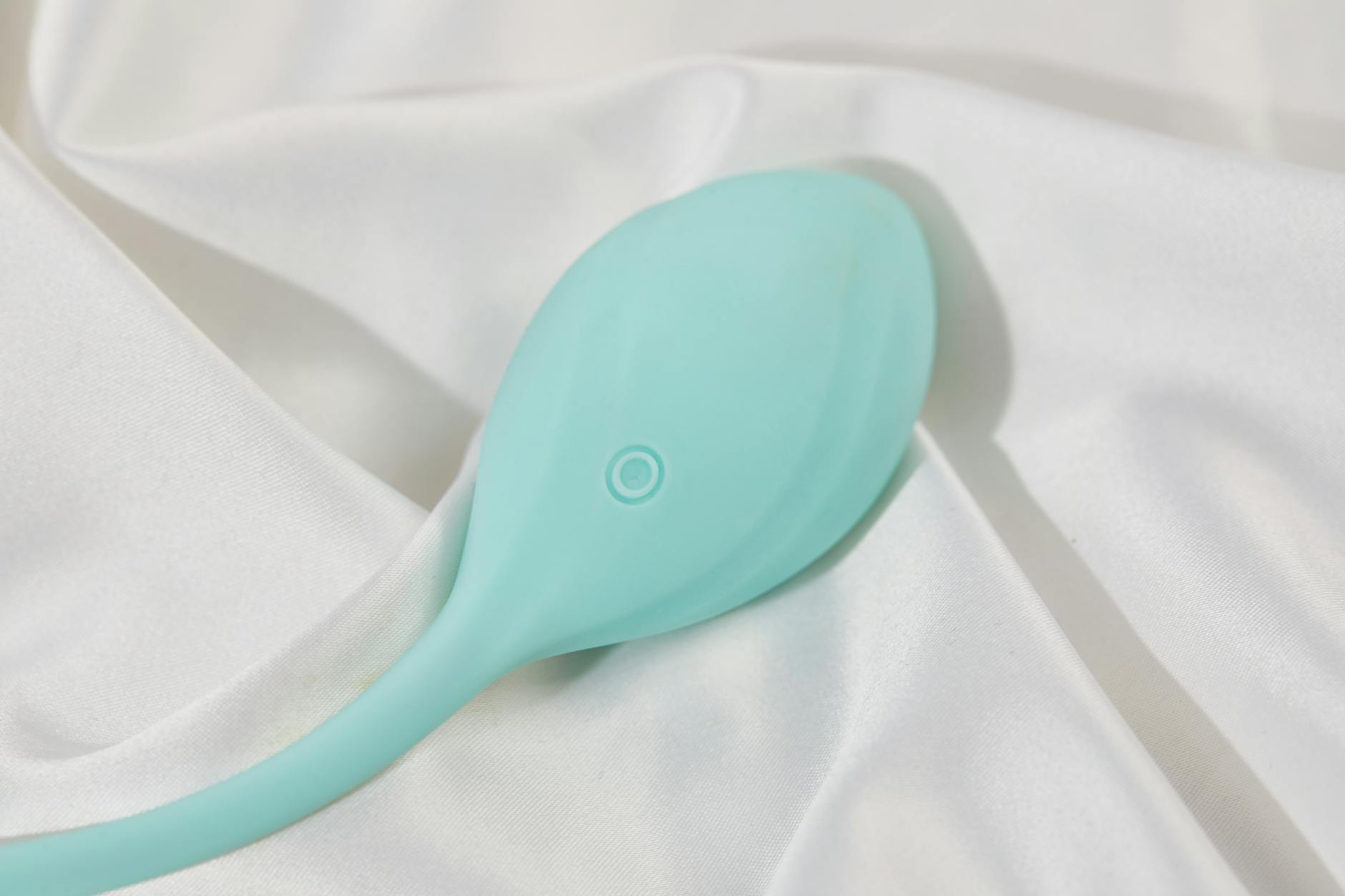
Photo by IFONNX Toys on Pexels
The practical setup that actually works
Let's talk mechanics, because this is where it gets real.
Start with a conversation outside the bedroom. Not "we need to have more sex." Instead: "I've noticed we want different things physically, and I don't want you to feel pressured or me to feel rejected. I found something I want to try that might help." Showing your partner the lemon vibrator in a neutral moment, not in bed when things are tense, changes how it lands. They see it as a tool you're both trying, not a hint that something is wrong with them.
Decide on a specific time to try it. Not "whenever." Pick an evening when you're both relatively relaxed. The lower-desire partner is much more likely to engage if there's no surprise element and they know what to expect. Predictability builds trust here.
Let the lower-desire partner lead the pace. This is non-negotiable. They get to say "more,