Here's what PCOS actually does to pleasure
If you have PCOS or hormonal imbalance, your clitoris isn't broken. But the way it responds to touch absolutely changes. Androgens (like testosterone) spike unpredictably. Estrogen stays low or inconsistent. Insulin resistance affects blood flow and nerve sensitivity. All of that rewires how arousal builds and how orgasm feels.
Most people never talk about this part of PCOS. You get the hair, the fatigue, the irregular periods. But nobody explains that your most sensitive nerve endings are responding to a chemistry your body doesn't have a stable version of. That's the gap we're filling here.
Why sensation feels inconsistent month to month
Without steady hormones, your clitoris doesn't have a predictable baseline. Some weeks, direct touch feels amazing. Other weeks, the same pressure feels overwhelming or numb. That's not you being difficult. That's your tissue responding to hormonal flux.
Estrogen keeps clitoral tissue plump and sensitive. When it dips, that tissue thins slightly. Testosterone drives desire, but when it spikes (which happens unpredictably with PCOS), arousal can feel frantic or unfocused. You're not losing your mind. Your body is literally receiving different chemical signals.
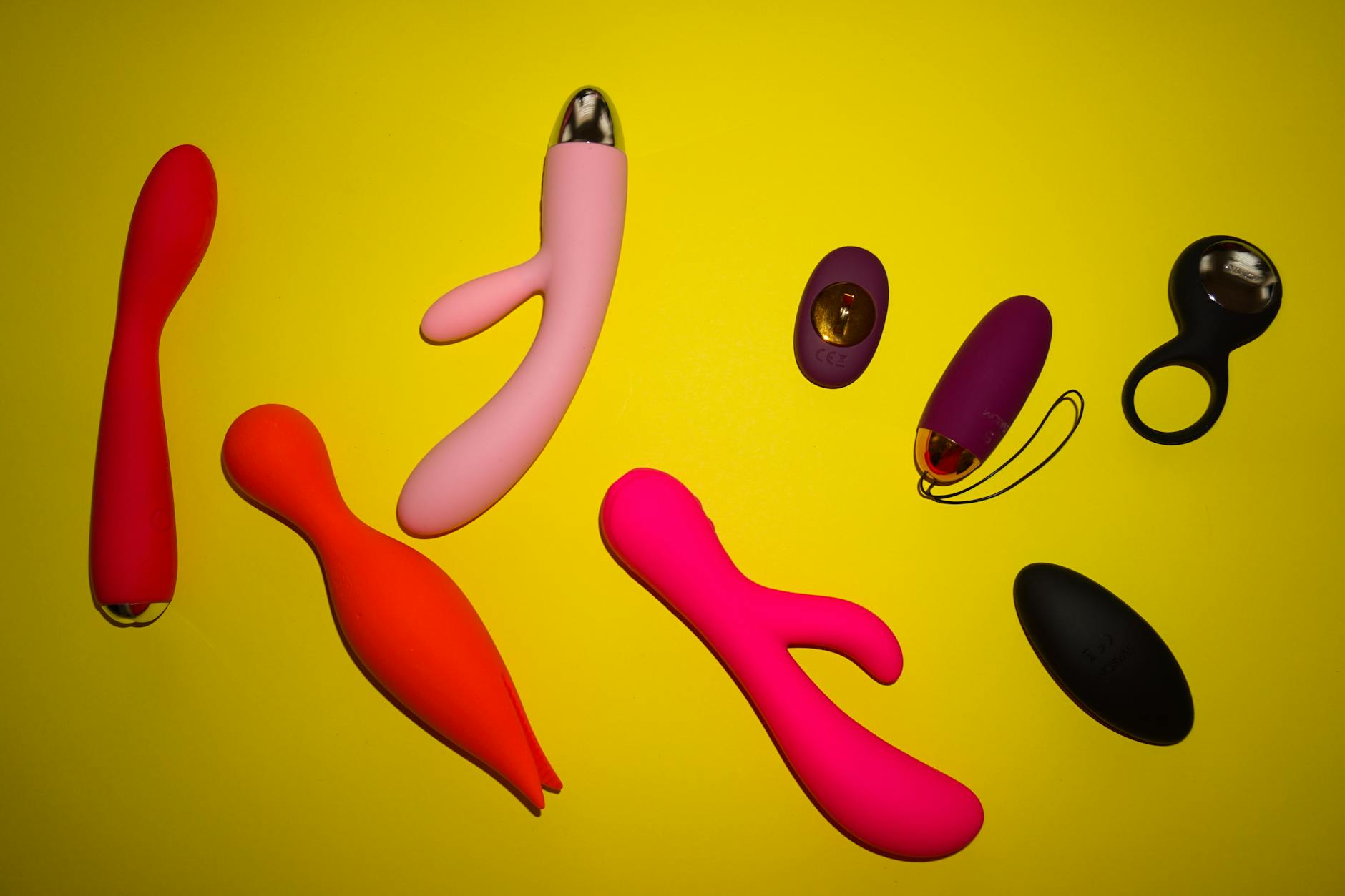
This is why traditional vibrators often feel wrong. They operate at one speed, one pattern. Your needs change weekly. A lemon vibrator, with its variable intensity settings, lets you match the stimulation to where your body actually is that day.
The arousal-building problem with PCOS
One of the most frustrating parts of hormonal imbalance is that arousal takes longer to build, or it plateaus halfway. You're not less interested in pleasure. Your nervous system just needs more runway.
With testosterone in flux, the neural pathway from "interested" to "aroused" gets longer. Your clitoris might need 15-20 minutes of consistent stimulation to fully engorge, versus 5-10 before. That's not laziness or low libido. That's your endocrine system asking for patience.
Lemon clitoral vibrators work here because their suction mechanism provides sustained, building stimulation without the fatigue of traditional vibration. You can stay on a lower intensity setting for longer, letting arousal accumulate naturally, without your hand cramping or the sensation becoming numbing.
Blood flow and the PCOS difference
Insulin resistance (which affects most people with PCOS) impacts how efficiently blood reaches your extremities. Your clitoris relies on blood flow to swell and become fully sensitive. When blood flow is compromised, arousal feels muted or takes much longer to register.
This is clinical, but it matters for how you experience pleasure. A lemon vibrator's suction action actually pulls blood into the clitoral tissue more effectively than vibration alone. That's not marketing. It's biomechanics. The suction creates a gentle pressure gradient that encourages engorgement without requiring the intense friction that can feel raw or painful when tissue is already inflamed from hormonal shifts.
Why numbness or oversensitivity happen simultaneously
Here's something weird that happens with PCOS: your clitoris can feel both numb and oversensitive at the same time. The outer labia might feel numb while the clitoral glans feels raw. Or you're numb on one side and hypersensitive on the other.
This happens because inflammation is inconsistent. Hormonal imbalance triggers localized inflammation in some tissues but not others. Your body is literally responding unevenly to the chemistry it's producing.
Traditional vibrators are all-or-nothing. They either overstimulate the sensitive areas or underwhelm the numb ones. Lemon sexual toys let you adjust intensity finely, and the suction mechanism spreads pressure more gradually across the entire clitoral complex instead of pounding one point. That distributed sensation often feels more manageable when your tissue is inflamed.
The orgasm intensity shift
Many people with PCOS report that orgasms feel different. Weaker. Or paradoxically, more intense but harder to reach. Or multiple smaller ones instead of one big release.
That variation is real. Testosterone influences orgasm strength and intensity. When it fluctuates, so does the orgasm itself. Lower testosterone can mean less intense muscular contractions. But it can also mean the orgasm spreads differently across your pelvic floor, creating a more diffuse sensation that some people find actually more pleasurable once they stop expecting the old pattern.
Lemon clitoral vibrators let you find the intensity that matches your current neurochemistry. You're not fighting your body to have the "right" kind of orgasm. You're working with what you've got.
Timing your pleasure around your cycle
With PCOS, your cycle is unpredictable, but hormones are still cycling (even if chaotically). Learning when your androgens are higher or lower can actually help you time solo exploration for maximum pleasure.
High-androgen weeks usually feel better for pleasure-seeking. You have more desire, more clitoral sensitivity. Low-androgen weeks might feel flat. Plan accordingly. Use a lower intensity lemon vibrator during low weeks, crank it up during high weeks.
This requires tracking, but even rough notes help. "Week 1 felt numb, week 3 was amazing" is data you can use to set expectations and match your tool to your actual capacity that day.
When inflammation is the real problem
Some people with PCOS have significant clitoral inflammation that makes any vibration painful. If that's you, lemon vibrators with their gentler suction (especially on lower settings) are often more tolerable than traditional vibrators. But also, this is a conversation for your gynecologist.
Topical anti-inflammatories, the right lubricant, and sometimes hormone management help alongside tool choice. You don't have to choose between pleasure and comfort. But you might need to get professional support to figure out what your body actually needs.
Lubrication matters more than you think
Hormonal imbalance often means inconsistent lubrication. Some days you're fine. Other days, you're dry even when aroused. This isn't unusual with PCOS. Androgens can suppress natural lubrication, and insulin resistance affects how quickly your body produces it.
Use water-based lube liberally. Not because you're broken, but because your body's baseline is different. A lemon vibrator paired with good lubricant makes the sensation smoother and more manageable when your body isn't producing enough on its own.
The patience piece
Maybe the most important thing: pleasure with PCOS requires more patience and experimentation than mainstream advice suggests. You're not trying to have typical orgasms on a typical timeline. You're learning what your actual body does when its chemistry is different.
That's not failure. It's actually a deeper kind of intimacy with yourself. You stop expecting your pleasure to look a certain way and start paying attention to what actually feels good right now.
Frequently asked questions
How do I know if my numbness or sensitivity is from PCOS or something else?
Both can cause clitoral changes, but with PCOS the shifts are usually cyclical (even if irregular) and linked to your menstrual pattern. If numbness is constant and worsening, talk to your doctor. If it fluctuates with your cycle, PCOS hormonal shifts are likely part of it. A gynecologist familiar with PCOS can help you separate what's hormonal from what might be nerve damage or other causes.
Can lemon vibrators actually improve blood flow?
The suction mechanism does encourage blood pooling in the clitoral tissue, which makes it engorge more fully. That's not a cure for PCOS-related circulation issues, but for pleasure-seeking, it means your clitoris is more sensitive and responsive during stimulation. You're not fixing the underlying hormonal problem. You're working with your body's actual capacity.
Should I avoid certain intensity settings if I have PCOS?
Not necessarily. But start lower and go slower. Your body might need more runway before higher intensities feel good. Many people with PCOS find that starting on pattern 1 or 2 on a lemon vibrator and spending 15-20 minutes building intensity works better than jumping straight to high. Listen to what your body is actually asking for, not what you think it should want.
Does hormone treatment (like birth control) change how lemon vibrators feel?
Yes. Many people find that starting birth control or spironolactone (an anti-androgen) changes sensation significantly, sometimes within weeks. If you're starting hormone treatment, give yourself a few weeks to adjust before assuming your tool needs to change. Your body is recalibrating, and so is your pleasure response.
Can I use a lemon vibrator if my clitoris is inflamed?
On lower settings with plenty of lubricant, often yes. But if you're in acute inflammation or pain, rest first. A clitoral vibrator or lemon sucker is a tool for pleasure, not pain management. If inflammation is constant, see a doctor. Topical anti-inflammatories or estrogen creams (yes, even with PCOS) can help.
Is it normal to need different lemon sexual toys for different times of my cycle?
Some people do better with a gentle lemon vibrator during low-hormone weeks and a more intense one during high-hormone weeks. Others stick with one tool and adjust settings. There's no "normal." Your job is to notice what works when and adjust accordingly. That's actually a form of self-knowledge most people never develop.