Here's what nobody tells you about pleasure and time
Your body at 25 is not your body at 35. Your body at 35 is not your body at 45. And yet most conversations about pleasure assume you're a fixed thing. You're not. You're a moving target, which is actually good news. It means pleasure doesn't expire, it just evolves.
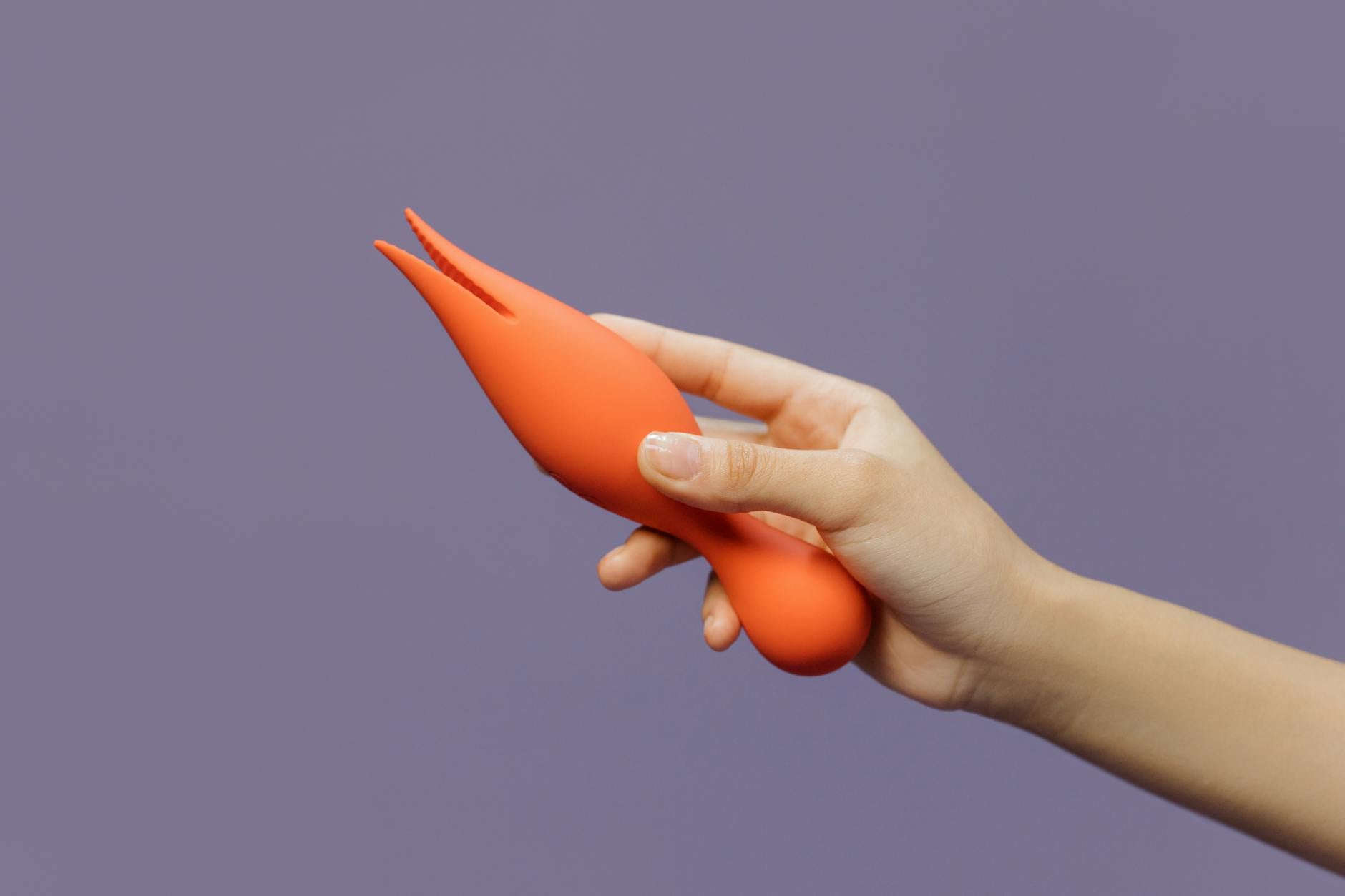
I work with people across every decade, and the pattern is consistent. A lemon clitoral vibrator feels totally different depending on where you are in your life. Not worse. Not better. Just different. And when you understand why, you stop blaming yourself and start actually enjoying what's happening right now.
The 20s: High sensitivity, low patience
In your 20s, your clitoris is highly innervated and estrogen levels are typically stable. You have a lot of nerve endings firing, and arousal can build fast. Many people in this stage report that they can orgasm quickly, sometimes almost too quickly, and they're hunting for ways to make sensation last longer.
This is when a lemon vibrator's intensity matters most. If you jump straight to pattern 8, you might miss the whole experience. People in their 20s often benefit from starting lower and building up, using the tonal variations in each intensity level rather than just cranking to maximum.
Another thing I notice: in your 20s, you're often figuring out what pleasure even is. You might have partners with totally different expectations. You might be comparing yourself to things you've seen online. A solo experience with a lemon sucker can actually be clarifying because you're not performing for anyone, which changes everything about what you feel.
The 30s: Knowing what you want (and negotiating it)
Something shifts in your 30s. You've usually had enough partners or enough solo time to know roughly what works. But this decade is also when life gets noisy. You're building careers, managing relationships, sometimes raising kids, dealing with aging parents.
This is the life stage where I see the most friction in relationships around sex. Not because desire is gone, but because time and mental load are gone. A lemon vibrator becomes useful differently here. It's not just a solo thing anymore. It's a way to reconnect quickly, to solve desire mismatches with partners, to reclaim something that feels like yours.
Physically, tissue is still healthy. But because arousal takes longer (thanks, adult responsibilities), people in their 30s often need more foreplay, more warm-up. If you had a lemon sucker in your 20s and felt like you could barely handle it, your 30s version might be thinking "why do I need more time now?" Answer: your brain is running 47 tabs. That's not a flaw. That's just life.
The 40s: Hormonal shifts start to show
Here's where the conversation gets real. In your 40s, even if you're not near menopause yet, hormone production starts to slowly decline. You might notice that arousal takes longer to build. Tissue can get a bit thinner. Sensation can feel less sharp.
But here's what also happens in your 40s: you usually stop caring what you're supposed to feel and start paying attention to what you actually feel. You're less willing to fake it. Less interested in performance. More interested in actual pleasure.
With a lemon clitoral vibrator, this often means people switch from the highest intensity patterns to the mid-range ones. Not because they've lost sensation, but because the tonal variety becomes more interesting than raw power. The suction mechanism of a lemon vibrator particularly shines here because it doesn't rely on the same kind of direct friction as a traditional vibrator, which can feel too intense on tissue that's starting to shift.
I also see people in their 40s getting smarter about preparation. More lubrication. Longer warm-up times. Less rushing. The lemon sucker adapts to this naturally because suction works well with lubrication, and the patterns invite exploration rather than demanding quick results.
The 50s and beyond: Precision beats power
If you make it through perimenopause and menopause (and most people do), you enter a stage where pleasure is almost always simpler and often deeper. This isn't poetry. It's neurology. Once hormone shifts stabilize, many people report their most satisfying experiences ever.
But getting there requires honesty about what's changed. Clitoral tissue is thinner. Lubrication is lower. What felt amazing at 30 might feel abrasive now.
This is when a lemon vibrator's design becomes genius. The suction approach is gentler than traditional vibration. The tonal patterns allow for precision that you can't get with a basic vibrator. People in this stage often use lower intensity for longer periods, building arousal slowly and deliberately.
I've worked with people in their 50s, 60s, and beyond who report that they've never enjoyed sex more. They know their bodies. They know what they want. They're not negotiating around partners' preferences (or they are, but they're doing it clearly). A lemon clitoral vibrator becomes a tool for exactly what you need right now, not what you needed 20 years ago.
Hormonal cycles matter more than you think
Across all life stages, one thing changes your sensitivity instantly: hormones. If you menstruate, your clitoris is more sensitive right after your period and less sensitive around ovulation. If you're on hormonal birth control, those swings flatten out. If you're in perimenopause, sensitivity becomes unpredictable.
This is why people often say "why does my lemon sucker feel different on different days?" It's not the toy. It's you. Specifically, it's your hormone levels that change how blood flows to tissues, how quickly nerves fire, and how much stimulation feels good.
Understanding this takes pressure off. You don't have to be the same every time. You can adapt. You can use different intensity patterns on different days. You can warm up for 5 minutes one day and 20 minutes another. A lemon vibrator's tonal variety actually helps with this because you're not locked into one frequency.
Partner dynamics shift with each stage too
Your 20s sex life with a partner looks different from your 40s sex life. In your 20s, you might be figuring out how to ask for what you want. In your 40s, you're usually just telling them.
A lemon vibrator changes the dynamic. When you bring a clitoral vibrator into partnered sex, you're saying "I need this for me." Sometimes that's threatening to a partner. Usually (with partners worth keeping), it's actually relieving. They don't have to be solely responsible for your pleasure. You have a tool that works. Everyone wins.
But the conversation about bringing a lemon clitoral vibrator into partnered sex is different at 25 than it is at 45. At 45, you've usually earned enough autonomy to not need permission. You just need clarity. That clarity often comes from knowing your body first, alone, with whatever tools work. Then you bring a partner in if you want to.
Why this matters right now
The reason I'm laying all this out is simple. You're not broken because a lemon sucker feels different than it did five years ago. Your body has changed. Your life has changed. Your arousal patterns have changed. That's normal. That's actually information.
When you know what to expect at your life stage, you stop wondering if you've lost something. You start working with what you've got. You get better at pleasure because you stop trying to be someone else.
A lemon vibrator is a tool that lasts because it adapts. Lower intensity for sensitive tissue. Higher intensity for thick tissue. Suction for when you need gentleness. Patterns for when you want variety. What feels right now is exactly what should feel right now.
Frequently asked questions
Do lemon vibrators feel different as you age?
Yes. Clitoral tissue thins slightly with age and lower estrogen, which means sensation changes. Arousal also takes longer in your 40s and beyond, which is neurological, not psychological. A lemon clitoral vibrator's adjustable intensity and suction mechanism adapt well to these shifts because you're not relying on high-frequency vibration alone. You can use lower patterns for longer, which often feels better as tissue sensitivity changes.
Why do I need more warm-up time with a lemon sucker as I get older?
Blood flow to genital tissue slows slightly with age, and this is especially true if you're experiencing hormonal changes. Arousal is partly about blood delivering oxygen to tissues. Longer warm-up (15-25 minutes instead of 5-10) gives your body time to respond properly. This isn't a problem. It's just physiology. A lemon vibrator with multiple intensity patterns lets you build gradually rather than jumping to maximum.
Should I use lube differently at different life stages?
Absolutely. In your 20s and 30s, you might not need lube at all. In your 40s and beyond, especially around menopause, lube becomes essential. Water-based lubes work best with silicone lemon vibrators because they don't damage the material. Using lube changes how the suction mechanism feels, usually in a better way, because it reduces friction.
Can a lemon clitoral vibrator still work if you've had hormonal changes?
Yes, often better. Some people find that post-menopause, a suction-based lemon vibrator feels more comfortable than traditional vibrators because it doesn't rely on direct friction. The patterns can be gentler and more precise. This is why it's worth experimenting with different intensity levels and patterns as you age.
Is it normal for sensation to feel less sharp in your 40s and 50s?
Completely normal. Nerve density doesn't change, but hormonal changes affect how quickly signals travel and how blood flows to tissue. This often feels like sensation is "less sharp" rather than diminished. Many people actually prefer this because pleasure feels deeper and less frantic. Working with your clitoral vibrator at lower intensities for longer periods often yields stronger orgasms, not weaker ones.
How do I know if reduced sensation is age-related or a health issue?
If sensation dropped suddenly, that's worth talking to a doctor about. If it's been gradual over years and correlates with hormonal changes, aging, or medication (like antidepressants), that's age and circumstance. Pain during sex is never normal at any age and always warrants a conversation with a healthcare provider. Reduced sensation without pain is usually just your body changing, not your body breaking.
Your pleasure timeline is unique
You're not supposed to feel the same at 45 as you did at 25. That's not loss. That's evolution. What works now is exactly what should work now. A lemon vibrator, whether you call it a lem vibrator or a lemon clitoral sucker, is a tool that meets you where you are, at whatever stage you're in.
If you're noticing shifts in what feels good, that's not something to fix. It's something to pay attention to. Your body's feedback is real information. Use it. Adjust your approach. Get curious about what works now. And if you want to talk through what you're experiencing or need clarity on how to move forward, you can always reach out.