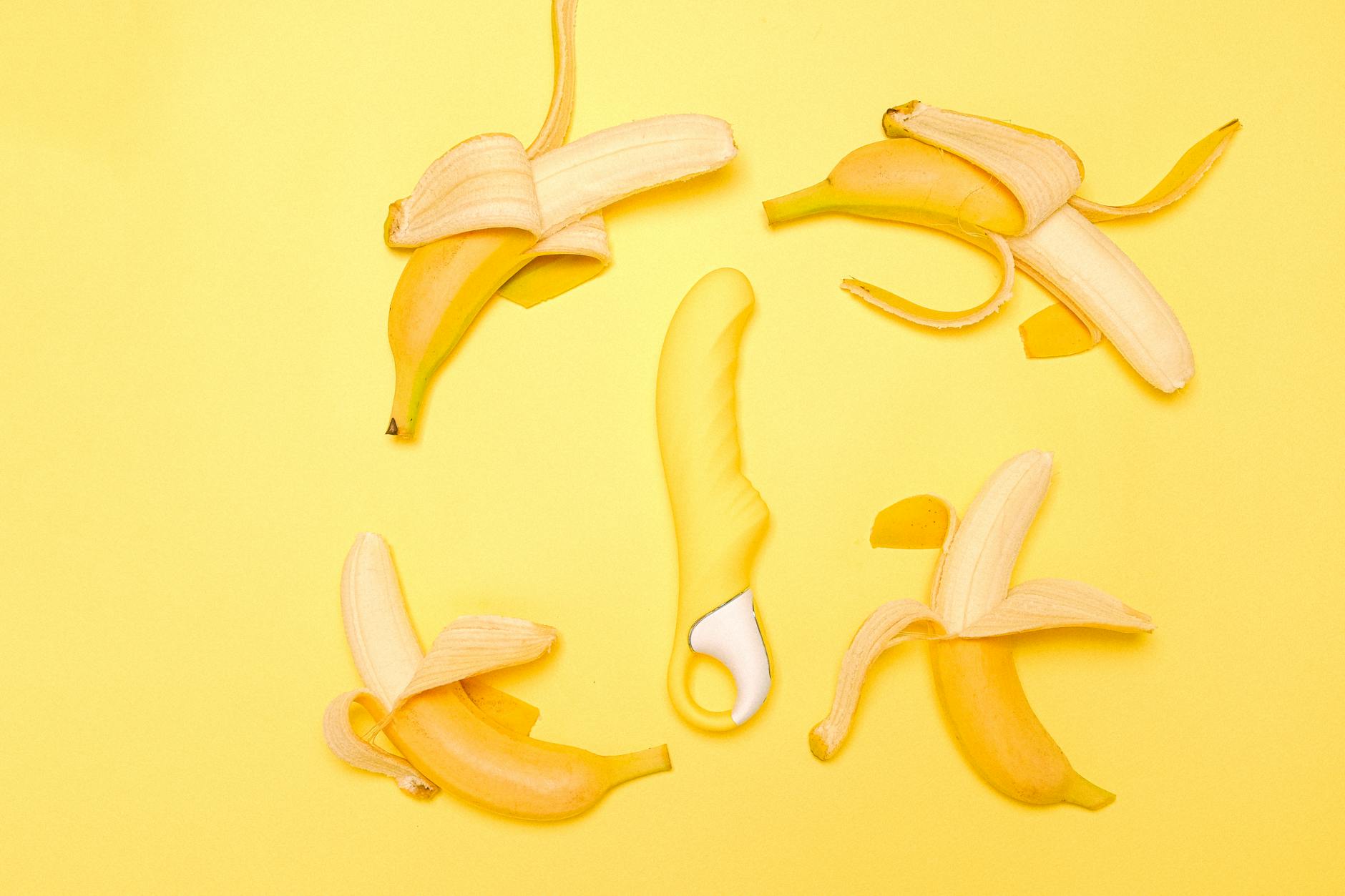
Here's the thing about vibration alone
If traditional vibrators worked for everyone, we wouldn't be having this conversation. The truth is that standard vibrators rely on one mechanism: they buzz back and forth really fast. For some people, that's perfect. For others, it's overwhelming, too spread out, or just doesn't land right.
The clitoris has about 8,000 nerve endings concentrated in a tiny space. Not all of them respond the same way to the same stimulus. This is why your best friend swears by one thing and you get nothing from it. Your nervous system is literally reading the signal differently.
What makes lemon vibrators different
Lemon vibrators like the Lem use suction technology instead of (or alongside) pure vibration. Here's what that means physically: rather than the toy vibrating side to side or up and down, it creates a rhythmic pulling sensation that stimulates the entire clitoral area at once.
Instead of friction or pressure, you get a gentle squeeze and release pattern. The technology mimics something your body already knows how to respond to. It's closer to the kind of stimulation that happens naturally during arousal.
For people with sensitive clitoral tissue, this is a game changer. You're not dealing with the jackhammer effect of a traditional vibrator. The sensation is concentrated but gentle. The Lem operates at a much lower decibel level too, which means less aggressive stimulation while maintaining incredible effectiveness.
Why suction works for sensitive nerve endings
Your clitoral nerve endings have different thresholds. Some fire at light pressure, others need more intensity. The genius of suction is that it activates multiple types of nerve fibers simultaneously without requiring direct friction.
When a standard vibrator buzzes directly against your clitoris, you're asking one set of nerves to fire really fast. If those particular nerves are sensitive or fatigued, the experience becomes uncomfortable or just stops working. Suction distributes the stimulus across your entire clitoral network.
There's also the psychological piece. Suction feels intimate in a different way. It's less like a machine is doing something to you and more like your body is being held and caressed. That shift in how your brain perceives the touch? That changes your arousal response significantly.
The difference in warm-up time
With traditional vibrators, many people need 15-30 minutes of building intensity to reach orgasm. The initial sensation might feel too strong, so you have to adjust placement constantly or turn the intensity down, which means starting from scratch.
Lemon clitoral vibrators typically get you responsive faster. Because the sensation feels less aggressive initially, you can handle it from the moment you start. There's less mental resistance to get through. Within 10-15 minutes, most people report deeper arousal and faster progression toward climax.
This matters more than it sounds. If you're tired or time-constrained, efficiency actually increases pleasure. You're not exhausted by the time you get there.
How lemon suction devices help with numbness
Many people experience clitoral sensation changes over time. Hormonal shifts, medications, aging, or just years of stimulation can make areas feel less responsive. When standard vibrators stop working, people often assume their body is the problem.
Often it's just the wrong tool. Suction technology activates sensation in a different pathway. If your clitoris has become desensitized to direct vibration, the pulling sensation of a lemon vibrator can feel completely new. It's like flipping a switch from one neural pathway to another.
I've worked with many people who thought they'd lost the ability to orgasm with toys. They'd switched vibrators a dozen times, turned intensity all the way up, added more, and nothing. One session with a suction device changed everything. Their nerve endings responded because they were being stimulated differently.
The pressure problem solved
Here's something nobody talks about: traditional vibrators require you to maintain consistent pressure against your clitoris the whole time. If you're tense or your hand gets tired or you shift your weight, the sensation breaks. You have to start the arousal build all over again.
With suction-based lemon vibrators, the device does the gripping. You don't need to press hard or maintain perfect contact. You can actually relax your pelvic floor and your hand while the toy works. That relaxation is crucial because tension literally blocks orgasm. A tense pelvic floor makes it harder for your body to respond.
When you use a lemon vibrator, your body can stay in a relaxed state while experiencing intense pleasure. That's a neurological advantage traditional vibrators can't match.
Why switching from traditional vibrators takes adjustment
If you've been using traditional vibrators for years, the first time with a lemon clitoral vibrator might feel strange. The sensation is so different that your brain needs a minute to translate it into pleasure. Give yourself at least 2-3 sessions before deciding it's not for you.
Start at a lower intensity setting than you'd use with a traditional vibrator. The suction-based stimulation is actually more efficient, so you might need less power to get the same result. A lot of people make the mistake of cranking the intensity up because they expect the aggressive buzz of their old vibrator.
Also, positioning matters differently. You don't need to press the lemon vibrator hard against your clitoris. A lighter contact often works better. Let the device's suction do the work rather than muscling it into place.
What sensitivity level actually means
When we talk about clitoral sensitivity, we're usually talking about three things mixed together: how easily your nerves fire, how quickly they fatigue, and how well your brain processes the signal.
Traditional vibrators can tire out nerve endings because they're asking the same pathway to fire repeatedly at high frequency. It's like asking someone to sprint for 20 minutes straight. Eventually, the signal gets weaker even if the stimulus stays the same.
Suction stimulation fatigues nerves differently. Because it's activating multiple pathways and creating a different sensation pattern, your nerve endings don't exhaust as quickly. You can maintain arousal longer and often reach orgasm with less total time under stimulation.
If you've been told you have "low sensitivity" or "dead nerves," it might just mean you have high sensitivity to the wrong type of stimulus. A lemon vibrator could unlock sensations you thought were gone.
The science of rhythm and response
Your body has a natural rhythm for arousal. Heart rate increases gradually, then plateaus, then builds again. Most traditional vibrators work at one speed. You're either in sync with that speed or you're not.
Lemon vibrators typically offer multiple patterns and intensity levels. You can match the rhythm to your body's actual arousal progression rather than fighting against a predetermined pattern. This matters because pleasure isn't just about stimulation level. It's about the timing of that stimulation matching your nervous system's readiness.
One person might need a slow, steady build. Another needs pulses that get progressively faster. A third person needs random-pattern stimulation that surprises the nervous system and keeps it from tuning out. With a lemon clitoral vibrator, you can experiment until you find your rhythm.
When to reconsider traditional vibrators
I'm not saying lemon vibrators are universally better. Some people genuinely do prefer traditional vibration. If something is working for you, don't fix it.
But if you've been frustrated with your traditional vibrator, if you experience numbness or overstimulation, or if you've given up on toys altogether, a lemon suction-based vibrator deserves a real chance. Read our guide on how to choose a lemon vibrator based on your sensitivity level to find the right fit for your body.
Many people benefit from having both types of toys available. Different moods, different bodies, different situations call for different tools. The point is having options and knowing why one might work when another doesn't.
Building your own pleasure toolkit
Switching to a lemon vibrator doesn't mean abandoning everything you know about your pleasure. It means expanding your vocabulary for how you experience arousal.
Start with a lower intensity than you think you need. Give yourself permission to experiment with positioning and pattern. Notice what feels good without judgment. Your body will tell you if something is working.
If you've been struggling with clitoral stimulation, sensitivity changes, or just wanting to try something new, Nancy's Lem Shop offers lemon clitoral vibrators designed specifically to address these issues. The Lem is engineered for the kind of deep, responsive pleasure that traditional vibrators often can't deliver.
Your pleasure matters. That's not negotiable. And if your current tools aren't serving you anymore, there's literally no reason not to try something different.
People also ask
Why do lemon vibrators feel gentler than traditional vibrators?
Lemon vibrators use suction technology that creates a rhythmic pulling sensation rather than direct vibration. This distributes stimulation across your entire clitoral area instead of focusing intense vibration on one point. The suction sensation also mimics natural arousal patterns your body already understands, which is why many people find it less jarring and more responsive than the aggressive buzz of traditional vibrators.
Can a lemon vibrator help if I've lost clitoral sensation?
Yes, often it can. When clitoral sensation changes due to hormones, medications, or aging, it's usually because nerve pathways have become desensitized to a particular type of stimulus. Suction-based lemon vibrators activate different nerve pathways than traditional vibrators, so they can feel completely new and responsive even if you've experienced numbness with other toys. Give yourself 2-3 sessions to let your nervous system adjust to the different sensation.
What's the difference between a lemon sucker and a traditional vibrator for sensitivity issues?
A lemon sucker (also called a lemon vibrator or suction vibrator) doesn't rely on friction or pressure. Instead, it creates a gentle squeezing and releasing sensation that stimulates your clitoral nerves without requiring you to maintain constant pressure or positioning. Traditional vibrators need you to hold them in place and manage pressure, which can tire your hand and make relaxation difficult. With suction, the device does the work, letting your body stay relaxed and responsive.
Do I need to use a lemon clitoral vibrator differently than a traditional vibrator?
Yes, a few things change. Use lighter contact instead of pressing hard against your clitoris. Start at a lower intensity setting than you'd use with a traditional vibrator because suction stimulation is often more efficient. Experiment with different patterns and rhythms rather than sticking to one speed. Also, allow your nervous system time to adjust. The sensation is different enough that it might feel strange for the first 2-3 uses before your brain registers it as pleasurable.
Are lemon vibrators better for everyone?
No. Some people genuinely prefer traditional vibrators, and that's completely valid. Lemon vibrators are particularly helpful for people with sensitive clitoral tissue, those experiencing sensation changes due to hormones or medications, and anyone who finds traditional vibrators uncomfortable or ineffective. The best vibrator is the one that actually brings you pleasure. If your current tool works, keep using it. If it doesn't, that's when trying a lemon clitoral vibrator makes sense.
How long does it take to orgasm with a lemon vibrator compared to traditional vibrators?
Most people report reaching orgasm faster with lemon vibrators because suction-based stimulation activates your nervous system differently and doesn't exhaust nerve endings as quickly. Typical timeframe is 10-15 minutes of stimulation, though this varies wildly by person, mood, and arousal state. The real benefit isn't speed though. It's that you get there with less physical effort and mental resistance, which means more consistent results and less frustration.