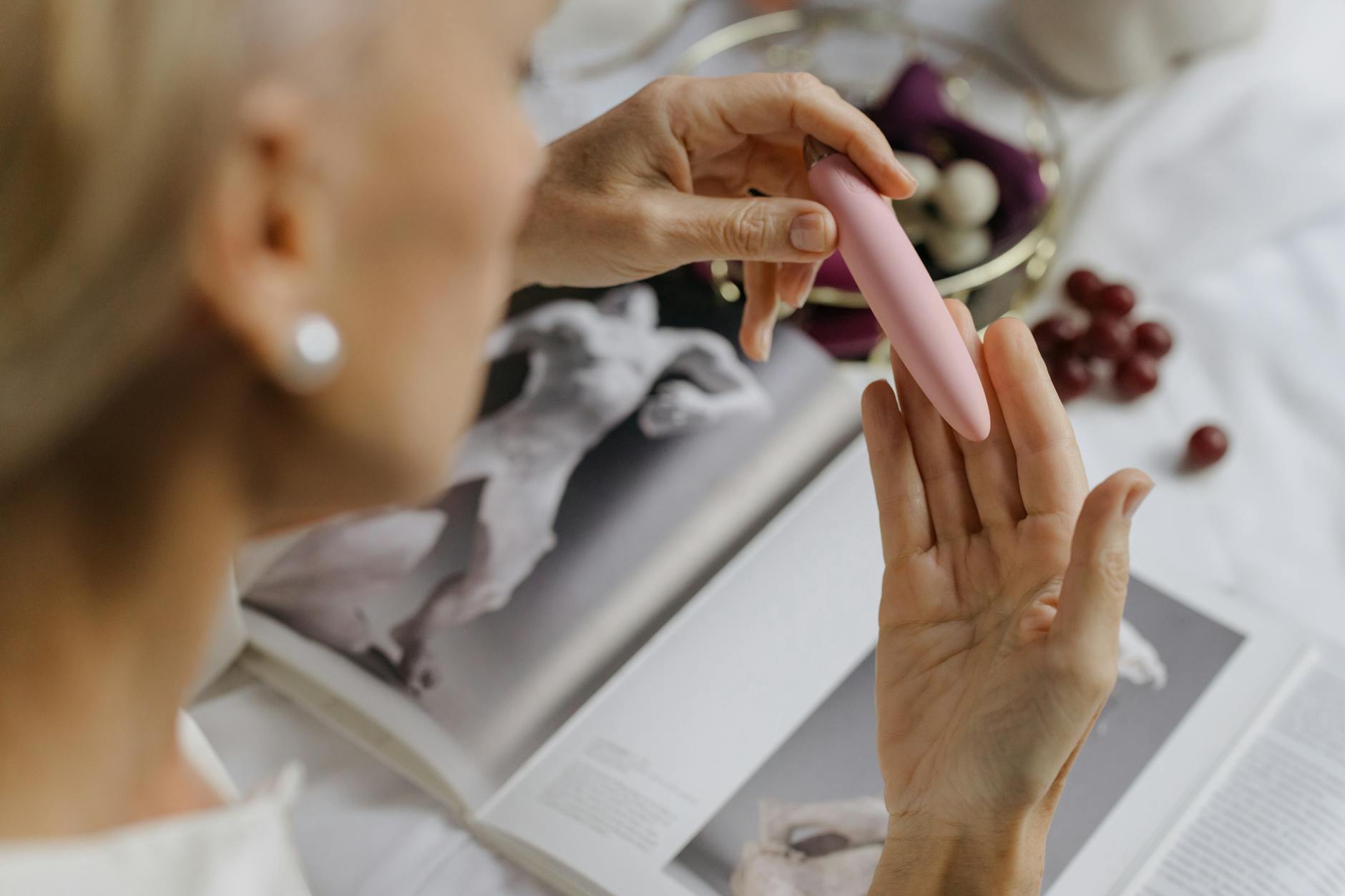
Let's start with the obvious part that nobody talks about
Your body just did something extraordinary. It also sustained some real, legitimate damage in the process. Pain during or after sex following childbirth isn't a sign you're doing something wrong. It's your nervous system saying "not yet," and that's information worth listening to.
Here's what most people don't realize: rebuilding physical intimacy postpartum isn't about pushing through. It's about meeting your body where it actually is, and using tools designed to feel good without the intensity that might've worked before.
What's actually happening down there
Depending on how you delivered, your pelvic floor, vaginal tissue, and perineum have been stretched, possibly torn, stitched, and are now healing. Even without visible tearing, vaginal tissue is swollen. The tissues are thinner if you're breastfeeding (hormonal shifts tank estrogen). Your nervous system is hyper-vigilant because it's protecting an area that was recently wounded.
This isn't psychological. This isn't you being "not ready." This is tissue healing, and tissue healing has a timeline.
Most guidelines suggest waiting 4 to 6 weeks before any penetration. But physical readiness and comfortable pleasure readiness are different timelines. Many people aren't genuinely comfortable until 3 to 4 months postpartum, and some take longer. That's statistically normal, not dysfunctional.
Why a lemon clitoral vibrator changes the equation
A lemon vibrator works differently than penetrative sex. You're not introducing anything into the vaginal canal. You're stimulating the clitoris and external tissues with a specific kind of suction that feels like a gentle pull, not a direct vibration.
For postpartum bodies, this matters because:
Suction doesn't require friction. With a partner's hand or traditional vibrator, you often need direct contact and movement. With a lemon sucker device, the sensation is created by gentle negative pressure. This means you can experience pleasure without that mechanical "rubbing" feeling that can hurt when tissues are sensitive.
It controls intensity. The Lem and other clitoral vibrators in the lemon family have settings that range from barely-there to strong. You stay in charge of what intensity your body can handle today. You might start on setting 1 for weeks, and that's completely fine.
It keeps focus external. Your pelvic floor is reknitting itself. Penetration of any kind (fingers, toys, penis) can trigger protective tension. External stimulation alone means your body doesn't have to guard against anything entering.
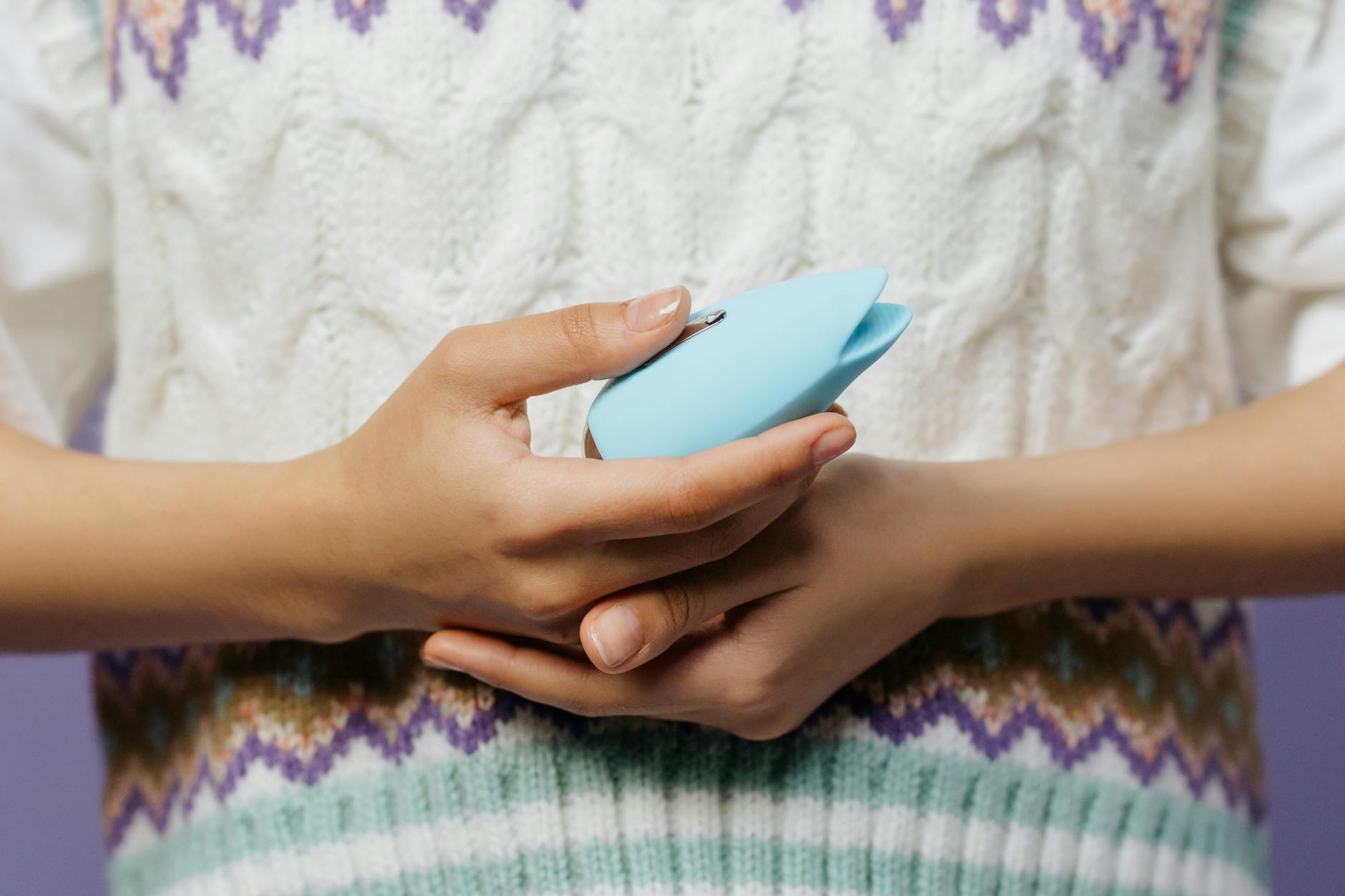
Photo by cottonbro studio on Pexels
The timeline that actually works
Let me be clear: this is a rough map, not a prescription. Your body is unique.
Weeks 0 to 8 postpartum. Focus on healing. Pelvic floor physical therapy if pain is significant. Maybe explore gentle external touch with a partner's hands, no toys yet. Your job is to let tissues knit.
Weeks 8 to 12. If you've been cleared by your OB and external touch feels okay, you might introduce a lemon vibrator solo first. Start fully clothed, just holding it, getting used to the weight and feel. Then try it over underwear. No pressure to feel pleasure yet. The goal is recalibration.
Week 12 and beyond. If sensation feels good, try the lemon vibrator directly on skin, starting with the lowest settings. This is where pleasure might actually appear.
The partner re-entry. This is separate from the vibrator timeline. When you and your partner are ready to be intimate again, that's another conversation entirely. A lemon clitoral vibrator can be part of foreplay before attempting any penetration, or it can be part of your solo pleasure first. You get to decide the order.
How to actually use it when you're nervous
Honestly though, the mechanics are straightforward. The mindset is where most people get tripped up.
Step 1. Privacy, zero time pressure. If the baby is crying in the other room, this isn't the moment. You need 15 to 20 minutes and actual safety (locked door, partner knows not to interrupt).
Step 2. Start with the lowest setting. Seriously. I know you think you want more, but postpartum sensation is weird. What felt right before pregnancy might feel overwhelming now. Skin that's healing needs gentleness.
Step 3. Positioning matters. Some people prefer lying down. Some prefer sitting upright. Some find it helpful to place a pillow under the hips. There's no correct posture. Your comfort is the only rule.
Step 4. If it hurts, stop. Not "push through it." Stop. Pain is a stop sign, not a warm-up. If it stings or feels sharp, your tissues aren't ready, or the intensity is too high.
Step 5. If it feels good, great. If nothing happens, also great. Pleasure isn't the goal here. Recalibration is.
The emotional stuff (which is just as real)
Physical discomfort is only half the postpartum intimacy problem. The other half is that your brain is exhausted, you're touched out from a tiny human who never stops touching you, and the idea of one more person needing your body for pleasure might feel like the absolute last thing on earth.
This is normal. It's also worth naming separately from the physical recovery. You might be physically ready for sex before you're emotionally ready. Or you might feel desire and then your body says no. Both happen.
A lemon clitoral vibrator is a self-directed tool, which means you're not performing for anyone. You're not accommodating someone else's timeline or pleasure. You get to explore at your own pace, stop whenever you want, and leave if the baby needs you. That control matters when everything else in your life feels like it's being taken from your body.
When to talk to a professional
If penetration still hurts months after you've cleared physical recovery, talk to a pelvic floor physical therapist, not your partner. If desire has completely vanished and isn't returning even when you have time and privacy, a therapist trained in postpartum issues can help you sort whether this is hormonal, psychological, or relational.
Pain during sex that continues past 4 to 6 months postpartum can sometimes signal pelvic floor tension or scar tissue that needs specific treatment. Don't tough it out. It's fixable.
The point underneath all of this
Your body hasn't abandoned you. It's healing. A lemon clitoral vibrator is a way to reconnect with pleasure on your terms, in your timeline, without pressure or penetration. You don't need to feel "back to normal" before you can enjoy yourself. You might find that postpartum pleasure, once it arrives, feels different and better than before. Many people do.
Start small. Stay patient. Your body's got this.
People also ask
How soon after giving birth can I use a lemon vibrator?
Most medical guidelines suggest waiting until you've been cleared by your OB or midwife for vaginal activity, usually 4 to 6 weeks postpartum. But comfort with external stimulation might take longer. Many people find they're ready to explore external stimulation gently around 8 to 10 weeks, and some need 3 to 4 months. Listen to your body, not the calendar. If it hurts, you're not ready yet.
Will using a lemon sexual toy delay healing?
Not if you're using it on external tissue only and not forcing penetration. Your vulva and clitoris healing doesn't require complete rest. Gentle, pleasurable touch can actually improve blood flow and sensation. The key word is gentle. If you feel sharp pain, stop.
Is it normal to feel nothing when using a clitoral vibrator after birth?
Completely normal. Postpartum hormones, fatigue, and the nervous system's protective response can all dull sensation temporarily. Numbness or reduced sensation usually resolves within a few months. If it persists beyond 6 months and nothing else has changed, mention it to your doctor. In the meantime, using a lemon vibrator at varying intensities can help retrain sensitivity.
Can I use a lemon clitoral vibrator while breastfeeding?
Yes. Breastfeeding does lower estrogen, which can make tissues feel drier and thinner. Using a lemon vibrator won't affect milk supply or anything about nursing. If dryness is uncomfortable, a water-based lubricant on or around the toy can help without harm to breastfeeding.
Should I wait until my partner is interested before trying a lemon vibrator postpartum?
No. This is your body and your pleasure. Exploring solo first gives you a chance to reconnect with sensation without pressure, without an audience, and without anyone else's needs in the equation. How to Use a Lemon Vibrator When Your Partner Wants to Join Your Solo Play covers the conversation part if that becomes relevant later.
What if penetration still feels impossible months after recovery?
Talk to a pelvic floor physical therapist. Persistent pain during penetration can signal tension, scar tissue, or a protective reflex that benefits from professional treatment. This is also worth discussing with a therapist who specializes in postpartum issues. Pain isn't something to live with. It's fixable, and you deserve to feel good.
References and sources
The timeline and recovery information here draws from clinical guidance published by the American College of Obstetricians and Gynecologists (ACOG) on postpartum sexual function and pelvic floor health. Additional perspective comes from Pelvic Health and Rehabilitation, published in collaboration with the International Urogynecological Association, on tissue healing and return to sexual activity. For questions specific to your recovery, your OB or a pelvic floor specialist is your best resource.